Jaboticaba Farming in Kenya: The 2026 Guide to Earning KSh 5 Million Per Acre
Jaboticaba farming in Kenya represents one of the most exciting opportunities for small-scale farmers looking to tap into the premium fruit market. This Brazilian native, also known as the Brazilian grape tree, produces unusual and delicious fruits that grow directly on the trunk. In Kenya, this fruit is still rare, and that rarity translates directly into higher profits for farmers willing to invest in this unique crop.
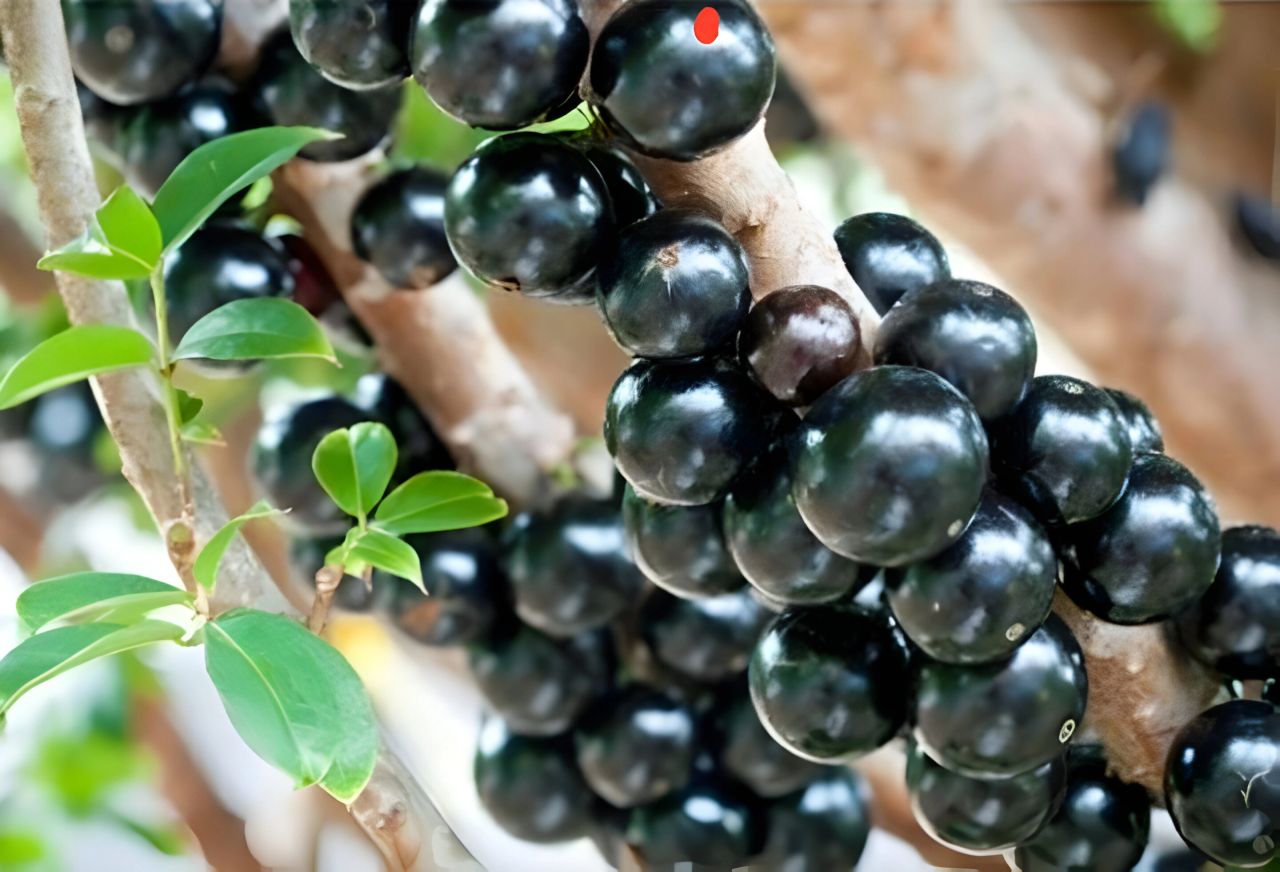
You will not find Jaboticaba piled up at your local kibanda or grocery stall. The fruits are hard to come by, though a few supermarkets have started stocking them. This scarcity makes Jaboticaba farming in Kenya a venture with tremendous potential. Farmers who establish orchards now will be well-positioned to supply a growing market over the next two decades.
The tree itself is beautiful and productive. It grows slowly but lives for many decades. Instead of hanging from thin branches like most fruits, Jaboticaba grows directly on the trunk and thick stems. This growth habit makes the tree look like someone glued bunches of grapes onto the bark. It attracts attention wherever it grows.
The fruits are small, round, and purple-black when ripe. They taste sweet with a slight tang, often compared to muscadine grapes. The flesh is translucent white and juicy. The skin is thicker and contains tannins, so most people eat only the flesh or use the whole fruit for processing into jams and wines.
This guide by Farmers Trend Ltd., provides everything you need to know about Jaboticaba farming in Kenya. You will learn about profitability, suitable regions, varieties, seedling costs, planting techniques, pest control, and marketing strategies. By the end, you will understand why Jaboticaba farming in Kenya deserves serious consideration for your agricultural portfolio.
Is Jaboticaba Farming Profitable for Kenyan Small-Scale Farmers in 2026
Jaboticaba farming in Kenya is highly profitable for small-scale farmers in 2026. The numbers prove it. A mature tree produces 50 to 100 kilograms of fruit annually under good conditions. With 100 trees per acre using standard spacing, total yield reaches 5,000 to 10,000 kilograms per year.
Farm-gate prices for Jaboticaba range from 800 to 1,500 shillings per kilogram depending on season and market. Supermarkets in Nairobi pay the higher end of this range. Direct sales to consumers through online platforms fetch even better prices.
Using conservative figures of 5,000 kilograms per acre at 1,000 shillings per kilogram, gross revenue reaches 5,000,000 shillings. Subtract annual production costs of approximately 300,000 shillings for maintenance, harvesting, and marketing. Net profit stands at 4,700,000 shillings per acre.
For small-scale farmers with a quarter-acre plot and 25 trees, gross revenue reaches 1,250,000 shillings at full production. After costs of 100,000 shillings, net profit exceeds 1,100,000 shillings annually from a small orchard.
The return on investment becomes even more attractive when considering the orchard’s productive lifespan. A well-maintained Jaboticaba orchard continues producing for 50 to 80 years. The initial establishment cost spreads across many decades of harvests.
Best Counties for Jaboticaba Farming in Kenya
Which counties in Kenya provide the best climate for Jaboticaba farming in Kenya? The tree originated in subtropical Brazil and prefers conditions similar to those found in Kenya’s central highlands.
Nairobi County offers ideal conditions for Jaboticaba farming in Kenya. Temperatures range from 15 to 25 degrees Celsius throughout most of the year. The rainfall patterns support tree growth, though supplemental irrigation during dry spells improves yields. Many successful Jaboticaba trees already grow in Nairobi gardens, proving the city’s suitability.
Kiambu County provides excellent growing conditions for Jaboticaba farming in Kenya. The fertile volcanic soils combined with moderate rainfall create perfect conditions for Jaboticaba trees. The county’s proximity to Nairobi markets also makes it ideal for commercial production. Farmers in Kiambu can deliver fresh fruit to city buyers within hours of harvest.
Murang’a County has similar advantages for Jaboticaba farming in Kenya. The deep soils and reliable rainfall support vigorous tree growth. The slightly cooler temperatures at higher elevations suit the tree well. Farmers in Murang’a can supply the Nairobi market with minimal transport costs along the Kenol-Nairobi highway.
Nakuru County also supports Jaboticaba farming in Kenya successfully. The county experiences warm days and cool nights, similar to the tree’s native habitat. The volcanic soils in parts of Nakuru drain well and provide good nutrition for Jaboticaba trees.
Other suitable areas for Jaboticaba farming in Kenya include parts of Nyeri, Kirinyaga, and Meru. The key requirements are frost-free conditions, moderate temperatures, and well-drained soils. Avoid areas with prolonged cold or waterlogging.

Main Jaboticaba Varieties Available in Kenya
What are the main varieties available for Jaboticaba farming in Kenya? Several varieties perform well in local conditions.
Sabara is the most common variety worldwide and the best choice for Jaboticaba farming in Kenya. It produces medium-sized fruits with good flavor. The tree is vigorous and productive, yielding 20 to 40 kilograms annually at maturity. Sabara fruits have a balanced sweet-tart flavor ideal for fresh eating. This variety is widely available from specialty nurseries.
Precoce means early in Portuguese. This variety lives up to its name by fruiting earlier than others. Trees may produce their first small crop 3 to 4 years after planting. The fruits are similar to Sabara but slightly smaller. Precoce is popular with farmers eager for quicker returns from Jaboticaba farming in Kenya.
Paulista produces larger fruits with thicker skin. The flavor is excellent, and the fruits hold well after harvest. This variety suits farmers targeting fresh market sales where fruit size matters. It performs well in Jaboticaba farming in Kenya operations.
Açu produces very large fruits, sometimes reaching 3 to 4 centimeters in diameter. The tree is robust and productive. Fruits have good flavor and are excellent for processing. This variety adds diversity to any Jaboticaba farming in Kenya orchard.
For Kenyan farmers, Sabara and Precoce are the best choices for Jaboticaba farming in Kenya. They are widely available, productive, and well-adapted to local conditions. Plant both varieties to extend your harvest season.
Jaboticaba Seedlings Price in Kenya
How much do grafted Jaboticaba seedlings cost for Jaboticaba farming in Kenya? Prices vary with tree size, variety, and nursery source.
Small grafted seedlings in polythene bags cost 750 to 1,200 shillings each. These are 6 to 12 months old and ready for transplanting. They require careful establishment but grow quickly with good care. For farmers starting Jaboticaba farming in Kenya, these are the most economical choice.
Larger seedlings in 5 to 10 litre pots cost 1,500 to 2,500 shillings each. These trees are 18 to 24 months old and have developed good root systems. They establish faster and may fruit earlier than smaller seedlings. Many commercial Jaboticaba farming in Kenya operations start with these larger trees.
Fruiting size trees in 20 litre pots or larger cost 3,000 to 5,000 shillings or more. These trees are 3 to 4 years old and may already produce some fruits. They are ideal for farmers wanting immediate production from their Jaboticaba farming in Kenya venture.
Specialty varieties like Precoce or Açu command premium prices. Expect to pay 1,500 to 2,500 shillings for grafted seedlings of these varieties for your Jaboticaba farming in Kenya project.
Buy jabuticaba/jaboticaba seedlings from Farmers Trend Ltd nurseries via +254790509684 or order online at Virtual Agrovet.
Buy from reputable nurseries that specialize in fruit trees. Check that seedlings are healthy with no signs of disease. The graft union should be strong and well-healed. Avoid cheap seedlings from unknown sources for your Jaboticaba farming in Kenya operation.

Time to Fruit: Grafted Versus Seedling Trees
How long does a grafted Jaboticaba tree take to fruit compared to one grown from seed? This difference matters for your Jaboticaba farming in Kenya planning.
Trees grown from seed take 8 to 15 years to begin fruiting. The long wait makes seed propagation impractical for commercial Jaboticaba farming in Kenya. Seedling trees also vary widely in fruit quality and productivity. You never know what you will get.
Grafted trees use rootstock from vigorous seedlings and scions from proven productive trees. These trees begin fruiting in 3 to 5 years after planting. Some precocious varieties like Precoce may produce their first fruits in as little as 3 years with good care. This speed makes grafted trees essential for profitable Jaboticaba farming in Kenya.
The grafted tree will produce fruits identical to the mother tree. You know exactly what variety you are getting and how it will perform. This predictability is essential for commercial Jaboticaba farming in Kenya planning.
The extra cost of grafted seedlings pays for itself through earlier production and guaranteed quality. For serious farmers engaged in Jaboticaba farming in Kenya, grafted trees are the only sensible choice.
Soil and Water Requirements for Jaboticaba Farming in Kenya
What is the ideal soil pH and moisture requirement for Jaboticaba farming in Kenya? Meeting these requirements ensures healthy growth and good yields.
Jaboticaba prefers slightly acidic soil with pH between 5.5 and 6.5. Soils outside this range need amendment before planting. Add lime to raise pH if your soil is too alkaline. Add sulfur or organic matter to lower pH if your soil is too acidic. Soil testing should be your first step in Jaboticaba farming in Kenya.
The trees need well-drained soils rich in organic matter. Heavy clay soils that waterlog will cause root rot and tree decline. Sandy soils need regular irrigation and organic amendments to hold moisture. Good drainage is essential for successful Jaboticaba farming in Kenya.
Test your soil before planting. Know your pH and nutrient levels. Add well-decomposed manure at 20 to 30 kilograms per planting hole. This improves soil structure and provides slow-release nutrition for your Jaboticaba farming in Kenya venture.
Jaboticaba trees need consistent moisture, especially during establishment and fruiting. They tolerate brief dry periods but stress easily with prolonged drought. Mulch heavily around trees to conserve soil moisture in your Jaboticaba farming in Kenya operation.
Drip irrigation is ideal for Jaboticaba orchards. It delivers water directly to the root zone while keeping leaves dry. During dry weather, water deeply once or twice weekly depending on soil type. Proper irrigation is critical for Jaboticaba farming in Kenya success.

Growing Jaboticaba in Containers for Urban Farming
Can you grow Jaboticaba in pots or containers for urban farming in Nairobi? Yes, and this is one of the tree’s greatest advantages for urban Jaboticaba farming in Kenya.
Jaboticaba adapts well to container growing. The tree has a naturally slow growth rate and responds well to root pruning. Many Brazilian farmers grow Jaboticaba in pots on patios and balconies. This makes container-based Jaboticaba farming in Kenya perfectly viable.
Choose a large container at least 50 to 60 centimeters in diameter and depth. Smaller pots restrict root growth and limit fruit production. Use a high-quality potting mix with good drainage and organic matter for your container Jaboticaba farming in Kenya project.
Container-grown trees need more frequent watering than those in the ground. Check soil moisture daily during dry weather. Water when the top few centimeters feel dry. Consistent moisture is essential for container Jaboticaba farming in Kenya.
Fertilize container trees regularly with balanced organic fertilizers. The limited soil volume means nutrients deplete quickly. Apply compost tea or liquid feeds monthly during the growing season. Good nutrition supports productive container Jaboticaba farming in Kenya.
Container trees will be smaller than those in the ground but still produce fruit. A mature tree in a large pot yields 10 to 20 kilograms annually. This is perfect for urban farmers with limited space pursuing Jaboticaba farming in Kenya.
The trees also make beautiful ornamentals. Their glossy evergreen leaves and unusual fruiting habit attract attention. They add value to any urban garden practicing Jaboticaba farming in Kenya.
Spacing and Planting Guide for Jaboticaba Farming in Kenya
Proper spacing ensures healthy tree development and maximum production in Jaboticaba farming in Kenya. Jaboticaba trees grow slowly but eventually reach 4 to 6 meters in height and spread.
| Spacing | Trees per Acre | Advantages | Considerations |
|---|---|---|---|
| 5m x 5m | 160 | Maximum tree size, long-term production | Lower early yields |
| 4m x 4m | 270 | Good balance of size and density | Standard recommendation |
| 3m x 3m | 480 | Higher early production | Requires more pruning |
Standard spacing for commercial Jaboticaba farming in Kenya is 4 meters by 4 meters. This gives 270 trees per acre. This spacing allows each tree room to develop fully while maximizing land use.
For smaller gardens, 3 meters by 3 meters works with more intensive pruning. This gives 480 trees per acre but requires regular management to prevent overcrowding. This high-density approach to Jaboticaba farming in Kenya can maximize early returns.
Dig planting holes 60 centimeters wide and 60 centimeters deep. This size allows roots to establish quickly. Mix topsoil with 20 kilograms of well-decomposed manure and 200 grams of phosphate fertilizer. Refill holes and allow them to settle for two weeks before planting.
Plant at the start of rains or when irrigation is available. March and October are ideal months across most of Kenya. Morning planting reduces transplant shock. Water immediately after planting. Mulch heavily to conserve moisture.
Young trees need protection from strong sun and wind. Provide shade for the first week if planting during hot weather. Stake trees if necessary to prevent wind damage.
Yield Expectations for Mature Trees in Jaboticaba Farming in Kenya
How many kilograms of fruit can a mature Jaboticaba tree produce annually? Understanding yield helps you project income from Jaboticaba farming in Kenya.
| Tree Age | Yield per Tree | Trees per Acre | Total Yield per Acre |
|---|---|---|---|
| Year 3-4 | 2-5 kg | 270 | 540-1,350 kg |
| Year 5-7 | 10-20 kg | 270 | 2,700-5,400 kg |
| Year 8-10 | 30-50 kg | 270 | 8,100-13,500 kg |
| Year 11+ | 50-100 kg | 270 | 13,500-27,000 kg |
A young grafted tree produces its first small crop in year 3 to 5. Expect 2 to 5 kilograms in these early years of your Jaboticaba farming in Kenya venture. Production increases as the tree grows.
By year 8 to 10, trees produce 30 to 50 kilograms annually. This is the early commercial phase. Your Jaboticaba farming in Kenya orchard now generates meaningful income.
Mature trees in optimal conditions yield 50 to 100 kilograms per year. Some exceptional specimens in Brazil produce over 200 kilograms. Kenyan conditions with good management should achieve 50 to 80 kilograms per tree in Jaboticaba farming in Kenya operations.
The trees fruit multiple times per year in ideal conditions. Jaboticaba often produces 2 to 3 crops annually. This extends your harvest season and provides multiple income streams from your Jaboticaba farming in Kenya enterprise.
At 270 trees per acre and 50 kilograms per tree, total yield reaches 13,500 kilograms. At 1,000 shillings per kilogram, gross revenue is 13,500,000 shillings per acre.
Common Pests and Their Management in Jaboticaba Farming in Kenya
What are the common pests like aphids or fruit flies and how do you manage them in Jaboticaba farming in Kenya? Jaboticaba has fewer pest problems than many fruits, but vigilance is still needed.
| Pest | Damage | Control Method |
|---|---|---|
| Aphids | Sap sucking, sooty mold | Neem oil, insecticidal soap |
| Fruit flies | Larvae in fruits | Pheromone traps, protein bait |
| Scale insects | Sap sucking, weakened trees | Horticultural oil, pruning |
| Birds | Fruit pecking | Netting, scare devices |
| Fungal diseases | Leaf and fruit spots | Copper fungicides, pruning |
Aphids sometimes attack new growth in Jaboticaba farming in Kenya. These small insects cluster on tender leaves and shoots. They suck sap and excrete honeydew that promotes sooty mold. Control with neem oil sprays or insecticidal soap. Encourage natural predators like ladybugs.
Fruit flies are attracted to ripe fruits in Jaboticaba farming in Kenya. Female flies lay eggs inside developing fruits. The eggs hatch into maggots that feed on the flesh. Damaged fruits rot and drop prematurely. Use pheromone traps to monitor populations. Apply protein bait sprays mixed with insecticide. Remove and destroy fallen fruits.
Scale insects attach to branches and suck sap in Jaboticaba farming in Kenya. Heavy infestations weaken trees. Control with horticultural oil sprays during dormant periods. Prune out heavily infested branches.
Birds love ripe Jaboticaba fruits. They peck at fruits, creating entry points for rot. Netting provides the best protection for small orchards. Scare devices help in larger plantings of Jaboticaba farming in Kenya.
Fungal diseases are rare but occur in humid conditions. Ensure good air circulation through proper spacing. Prune to open the canopy. Apply copper fungicides preventatively if needed in your Jaboticaba farming in Kenya operation.
Regular scouting catches problems early. Walk through your orchard weekly and inspect trees thoroughly. Early intervention saves crops and protects your Jaboticaba farming in Kenya investment.

Market Opportunities for Jaboticaba Farming in Kenya
Where is the best market for Jaboticaba fruit in Kenya in 2026? Several channels offer strong demand for produce from Jaboticaba farming in Kenya.
| Market Channel | Price Range | Requirements | Advantages |
|---|---|---|---|
| Supermarkets | 800-1,500 KSh/kg | Consistent quality, packaging | Steady demand, reliable payment |
| Direct sales | 1,200-2,000 KSh/kg | Marketing, delivery | Highest prices, customer loyalty |
| Hotels | 1,000-1,500 KSh/kg | Premium quality | Regular orders, prestige |
| Processors | 600-1,000 KSh/kg | Volume, consistent supply | Takes all grades |
| Farmers markets | 1,000-1,500 KSh/kg | Presentation, samples | Direct customer feedback |
Supermarkets in Nairobi stock Jaboticaba when available. Carrefour and other high-end retailers have introduced the fruit to Kenyan consumers. They require consistent quality and supply from Jaboticaba farming in Kenya operations. Approach their procurement departments with samples and supply proposals.
Specialty fruit stores target food enthusiasts and health-conscious consumers. These outlets pay premium prices for rare, high-quality fruits from Jaboticaba farming in Kenya. Build relationships with owners and deliver consistently.
Direct sales to consumers through online platforms reach urban buyers. Social media marketing builds awareness for your Jaboticaba farming in Kenya products. Deliver to estates in Nairobi and other cities. Build a customer list for regular sales.
High-end hotels and restaurants use Jaboticaba in desserts, cocktails, and fruit platters. Approach their procurement managers with samples from your Jaboticaba farming in Kenya operation. Premium prices come with premium presentation.
Juice and wine processors seek Jaboticaba for value-added products. The fruit’s unique flavor makes excellent juice, jam, and wine. Connect with processors to discuss supply contracts from your Jaboticaba farming in Kenya venture.
Farmers markets in affluent neighborhoods attract customers willing to pay for unique products. Set up a stall and educate customers about this new fruit from Jaboticaba farming in Kenya. Samples encourage first-time buyers.
The key to marketing Jaboticaba is education. Most Kenyans have never seen this fruit. Teach them how to eat it, what it tastes like, and why it is special. Informed customers become loyal buyers of your Jaboticaba farming in Kenya produce.
Financial Projections for Jaboticaba Farming in Kenya
| Item | Quarter Acre (25 trees) | Half Acre (135 trees) | One Acre (270 trees) |
|---|---|---|---|
| Seedlings | 37,500 KSh | 202,500 KSh | 405,000 KSh |
| Land preparation | 10,000 KSh | 15,000 KSh | 25,000 KSh |
| Manure and fertilizer | 15,000 KSh | 30,000 KSh | 50,000 KSh |
| Irrigation system | 25,000 KSh | 50,000 KSh | 80,000 KSh |
| First-year labor | 15,000 KSh | 30,000 KSh | 50,000 KSh |
| Total first-year cost | 102,500 KSh | 327,500 KSh | 610,000 KSh |
| Year | Yield per Tree | Quarter Acre Revenue | Half Acre Revenue | One Acre Revenue |
|---|---|---|---|---|
| Year 3-4 | 3 kg | 75,000 KSh | 405,000 KSh | 810,000 KSh |
| Year 5-7 | 15 kg | 375,000 KSh | 2,025,000 KSh | 4,050,000 KSh |
| Year 8-10 | 40 kg | 1,000,000 KSh | 5,400,000 KSh | 10,800,000 KSh |
| Year 11+ | 60 kg | 1,500,000 KSh | 8,100,000 KSh | 16,200,000 KSh |
Annual maintenance costs for Jaboticaba farming in Kenya run approximately 50,000 shillings per acre for established orchards. This includes fertilization, pruning, pest control, and irrigation operation.
Net profit at full production for one acre: 16,200,000 shillings revenue minus 100,000 shillings maintenance equals 16,100,000 shillings annual profit.
Next Step
Jaboticaba farming in Kenya offers a rare opportunity to enter an underserved market. The fruit commands premium prices. The trees are long-lived and productive. The market gap between supply and demand continues widening.
Start with grafted seedlings from reputable nurseries. Choose varieties like Sabara or Precoce for proven performance. Prepare your land thoroughly with soil testing and organic amendments. Plant at correct spacing and install irrigation.
Be patient during the first few years while trees establish. Production starts in year 3 to 5 and increases steadily. By year 10, your orchard generates substantial annual income exceeding 16 million shillings per acre.
The farmers who planted mangoes and avocados decades ago are now reaping the rewards. Jaboticaba offers the same long-term potential for today’s forward-thinking farmers engaged in Jaboticaba farming in Kenya.
Your Jaboticaba farming in Kenya journey begins today. The market is waiting. The profits are real. The time to plant is now.
https://farmerstrend.co.ke/trending/jaboticaba-farming-in-kenya-2026-profit-guide/https://farmerstrend.co.ke/wp-content/uploads/2026/03/1709891677010.jpghttps://farmerstrend.co.ke/wp-content/uploads/2026/03/1709891677010-150x150.jpg# TrendingJabuticaba farmingJaboticaba farming in Kenya represents one of the most exciting opportunities for small-scale farmers looking to tap into the premium fruit market. This Brazilian native, also known as the Brazilian grape tree, produces unusual and delicious fruits that grow directly on the trunk. In Kenya, this fruit is still...FarmersTrendjohn doefarmerstrend@gmail.comAdministratorFarmers Trend Ltd.




Leave a Reply