Lychee Farming in Kenya: The 2026 Complete Guide to Earning KSh 5 Million Profits Per Acre from an Exotic Fruit
Table of Contents
ToggleLychee Farming in Kenya: The 2026 Manual for High-Value Agribusiness Profits
Lychee is an exotic fruit that remains rare in Kenyan farms. Walk through the Coast, the slopes of Meru, or the organized orchards in Embu, and you will find a few trees here and there. Most are in homesteads, planted years ago by families who knew the fruit from travels or from older relatives.
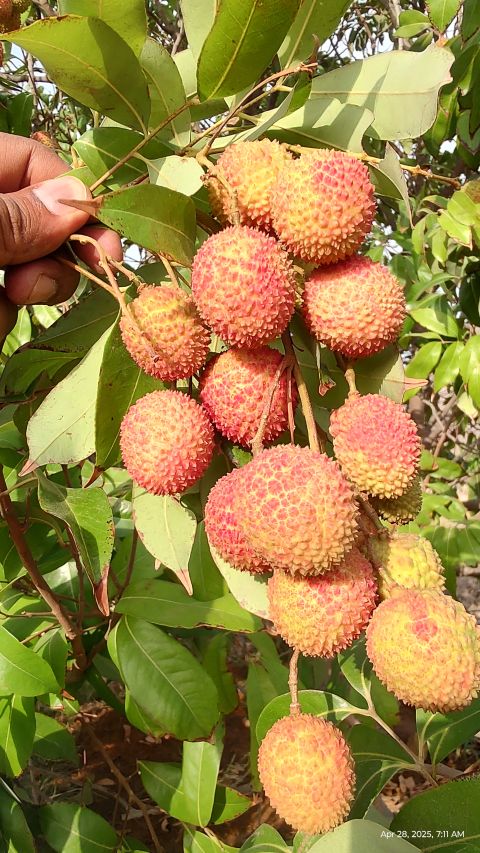
Commercial orchards are few. According to Farmers Trend Ltd, based on seedling purchase trends over the past five years, the number of farmers planting lychee in significant numbers remains small. Most buyers purchase one or two trees for their compounds. A handful have planted pilot plots of 10 to 20 trees. Very few have gone beyond that. This means the market is wide open for farmers who take the step to plant commercial orchards.
The returns are strong. A mature lychee tree produces 100 to 150 kilograms of fruit each year. At wholesale prices of 300 to 500 shillings per kilogram, one tree gives 30,000 to 75,000 shillings annually. With 70 trees per acre, gross revenue reaches 2.1 million to 5.2 million shillings per acre at full production. Retail prices in Nairobi supermarkets reach 450 to 750 shillings per kilogram. Few other fruits match these numbers.
This guide by Farmers Trend Ltd. covers everything about commercial lychee farming in Kenya. You will learn about propagation methods, where to plant, care routines, harvesting, and marketing. The information comes from farmers who grow lychee, from agricultural research stations, and from sales data at Farmers Trend Ltd nurseries.

Market Status and the Rise of Exotic Fruits for Lychee Farming in Kenya
The market for exotic fruits in Kenya has grown steadily over the past decade. Supermarkets in Nairobi and Mombasa now stock fruits that were unknown to most Kenyans ten years ago. Dragon fruit, passion fruit, and lychee sit alongside mangoes and oranges. Hotels use lychee in desserts and cocktails. Consumers buy them as treats for special occasions.
Data from Farmers Trend Ltd shows that inquiries about lychee seedlings have increased each year since 2020. Most buyers are small-scale farmers and urban homeowners. They purchase one to three trees to plant in their compounds. Some buy 10 to 20 trees to test the crop on small plots. Commercial-scale buyers ordering 50 trees or more are rare. This pattern suggests that lychee farming in Kenya is still in its early stages. Farmers are learning about the crop. Those who plant now will establish themselves before the market becomes crowded.
Which is the most profitable fruit to grow in Kenya? Dragon fruit gives 1 to 2 million shillings per acre at full production. Hass avocado gives 500,000 to 1 million shillings per acre. Lychee gives 2 to 5 million shillings per acre. The numbers show why farmers who have planted lychee are watching their trees with interest.
How much is a kilo of lychee in 2026? Retail prices in Nairobi supermarkets are 450 to 750 shillings per kilogram. Wholesale prices to traders range from 300 to 500 shillings per kilogram. Prices are highest during the harvest window from November to January when supply is limited. Farmers who time their production to hit these months get the best returns.

Propagation and Genetic Integrity for Lychee Farming in Kenya
Lychee seedlings are among the most expensive fruit tree seedlings in Kenya. Prices at Farmers Trend Ltd range from 2,500 to 10,000 shillings per tree. The price reflects the time and skill needed to produce quality trees. Cheap seedlings from unknown sources often come from seeds, which produce trees that take 10 years to fruit and give poor quality fruit.
Propagation methods affect how quickly trees fruit and the quality of the fruit. Seeds are the cheapest but worst option. How many days does it take for a lychee seed to sprout? Seeds sprout in 10 to 14 days, but trees from seeds take 10 years or more to bear fruit. The fruit quality varies, and many trees produce small, sour fruit with large seeds. Avoid seeds for commercial planting.
Air-layering is a common method for lychee. The grower removes a ring of bark from a branch and wraps the area with moist soil or moss until roots form. The rooted branch is then cut off and planted. Trees from air-layers fruit in 3 to 5 years. They are true to the parent tree. Quality is consistent. Many of the lychee trees sold in Kenya come from air-layering.
Farmers Trend Ltd uses a cutting method for lychee propagation. This method produces trees that fruit in 3 to 4 years, faster than air-layers. The trees are uniform and vigorous. The method also produces more trees per mother plant than air-layering, which helps keep prices manageable. Farmers Trend Ltd offers certified lychee trees propagated through this method. Contact Farmers Trend Ltd at 0790509684 to order through their Virtual Agrovet platform.
When buying lychee trees, ask about the propagation method. Trees from cuttings or air-layers are worth the higher price. Seedlings from seeds are a waste of time and land.

The Maturity Timeline and Bearing Expectations for Lychee Farming in Kenya
How many years does it take for a lychee tree to fruit? The answer depends on how the tree was started. Trees from seeds take 10 years or more. Trees from air-layers take 3 to 5 years. Trees from cuttings at Farmers Trend Ltd take 3 to 4 years.
How long does a lychee tree take to bear commercial quantities? Young trees produce 5 to 10 kilograms in the first few years. Production increases as trees grow. By year 5 to 7, trees yield 20 to 40 kilograms. By year 8 to 10, they yield 50 to 80 kilograms. Mature trees of 15 years and older produce 100 to 150 kilograms annually.
Some lychee varieties have a biennial bearing pattern. They produce heavy crops one year and light crops the next. Good management reduces this pattern. Regular feeding, proper pruning, and consistent watering help balance production. Farmers who keep records of their trees learn which varieties behave well on their land.
The productive lifespan of a lychee tree is 50 to 100 years. Trees planted today will serve the farmer who plants them for decades. They will also serve their children and grandchildren.
2026 Lychee Seedling vs. Mature Tree Yield Table
| Tree Age | Method | Yield per Tree (kg) | Value at KSh 400/kg | Notes |
|---|---|---|---|---|
| Year 1-2 | All methods | 0 | 0 | Trees establish roots and canopy |
| Year 3-4 | Cutting/Air-layer | 5-10 | 2,000-4,000 | First small crop |
| Year 5-7 | Cutting/Air-layer | 20-40 | 8,000-16,000 | Production increases |
| Year 8-10 | Cutting/Air-layer | 50-80 | 20,000-32,000 | Good commercial yields |
| Year 15+ | Cutting/Air-layer | 100-150 | 40,000-60,000 | Full maturity |
| Year 10+ | Seed-grown | 10-30 | 4,000-12,000 | Not recommended for commercial use |
Technical Management and Site Selection for Lychee Farming in Kenya

Lychee grows best in tropical and sub-tropical areas. Coastal counties like Mombasa, Kilifi, and Kwale provide ideal conditions. The warm temperatures and humidity suit the tree. Central Kenya areas including Meru, Embu, and Murang’a also work well at lower altitudes. The tree needs warm temperatures and cannot handle frost.
Farmers Trend Ltd sales data shows that most lychee tree buyers are in Coastal and Eastern regions. Buyers in Meru and Embu purchase trees for planting in their farms. Buyers in Nairobi purchase trees for planting in their compounds. Very few buyers in highland areas like Nyeri or Kiambu purchase lychee trees. This pattern reflects the climate needs of the tree.
What month does lychee grow? Active growth occurs in spring and summer when temperatures warm. Flowering happens in response to a dry period. The main harvest season runs from November to January in Coastal areas. In Meru and Embu, harvest comes slightly later, from December to February.
Are lychees difficult to grow? They are sensitive but rewarding. The tree needs specific conditions to fruit well. A dry period before flowering is essential. Wind protection is important because branches are brittle. Frost kills young trees. Choose your site carefully. Farmers who have planted pilot plots report that trees grow well with basic care but require attention to watering and feeding.
Soil needs are specific. Lychee prefers well-drained sandy loam soils with pH between 5.0 and 7.0. Heavy clay soils cause root rot. Good drainage is essential. If your soil is heavy, plant on raised beds or mounds. Farmers Trend Ltd recommends soil testing before planting.
Spacing for commercial orchards is 8 meters by 8 meters, giving 70 trees per acre. Some farmers use 7 meters by 7 meters for 90 trees per acre. Wider spacing allows trees to develop full canopy. Closer spacing gives more trees but may require more pruning.
Irrigation and Hydration Protocols for Lychee Farming in Kenya
Do lychee trees need a lot of water? Yes, but timing matters. The tree needs consistent moisture during fruit set and early growth. However, it needs a dry period before flowering to induce blooms. This is the “wet feet, dry head” principle that experienced lychee growers follow.
During the first year, water young trees twice weekly. Apply 20 to 30 liters per tree each watering. As trees grow, adjust frequency based on weather and soil type. Mature trees need 40 to 60 liters per week during dry weather.
Reduce or stop watering for 4 to 6 weeks before expected flowering. This dry stress triggers flower bud formation. Resume watering after flowers appear to support fruit development. Farmers who have planted pilot plots report that this dry period is critical for good fruiting.
Drip irrigation is the best method for lychee. It delivers water to roots while keeping foliage dry. Mulching around trees conserves moisture and suppresses weeds. Farmers Trend Ltd recommends installing drip irrigation before planting.

Yield Projections and Commercial ROI for Lychee Farming in Kenya
How many kg of lychee per tree? Young trees give 5 to 10 kilograms in the first few years. Mature trees of 15 years give 100 to 150 kilograms.
| Year | Trees per Acre | Yield per Tree (kg) | Total Yield (kg) | Price/kg | Gross Revenue |
|---|---|---|---|---|---|
| 1-3 | 70 | 0 | 0 | 400 | 0 |
| 4 | 70 | 5 | 350 | 400 | 140,000 |
| 5 | 70 | 15 | 1,050 | 400 | 420,000 |
| 6 | 70 | 30 | 2,100 | 400 | 840,000 |
| 7 | 70 | 50 | 3,500 | 400 | 1,400,000 |
| 8 | 70 | 70 | 4,900 | 400 | 1,960,000 |
| 10+ | 70 | 100 | 7,000 | 400 | 2,800,000 |
Lychee Harvest Season Calendar by Region
| Region | Flowering | Fruit Development | Harvest Window |
|---|---|---|---|
| Coast (Mombasa, Kilifi, Kwale) | May-June | July-October | November-December |
| Eastern (Meru, Embu, Tharaka) | June-July | August-November | December-January |
| Central (Murang’a, Kiambu lowlands) | July-August | September-December | January-February |
The staggered harvest across regions means supply reaches markets over several months. Farmers in different areas do not compete directly. This extends the selling season for everyone.

Pest Control and Export Standards for Lychee Farming in Kenya
Common pests in lychee include lychee mite and fruit borer. Lychee mite causes reddish-brown galls on leaves and fruit. It spreads rapidly and reduces yields. Control with appropriate miticides. Prune and destroy affected branches. Farmers who have planted pilot plots report that mites are the most common problem.
Fruit borer larvae tunnel into developing fruit. Damaged fruits rot and drop. Control with pheromone traps to monitor populations. Apply recommended insecticides when needed. Good orchard hygiene removes fallen fruit.
Export markets require GlobalGAP certification. This international standard covers food safety, environmental sustainability, and worker welfare. Certification costs 50,000 to 100,000 shillings initially, with annual renewal fees. Exporters often assist farmers with certification.

Sourcing Quality Lychee Trees
Farmers Trend Ltd nurseries offer certified lychee trees through their Virtual Agrovet platform. Their trees are propagated through the cutting method for faster establishment. Contact Farmers Trend Ltd at 0790509684 to order.
The Virtual Agrovet platform lets you order online with delivery to your farm. You can browse available varieties, check prices, and place orders at any time. Farmers Trend Ltd also provides advice on growing lychee.
The Lychee farming in Kenya PDF guide available through their platform gives the complete 10-year orchard management plan for farmers who want detailed guidance.

Next Step
Lychee farming in Kenya is still in its early stages. According to Farmers Trend Ltd, most buyers purchase one or two trees for their compounds. A few have planted pilot plots of 10 to 20 trees. Commercial orchards of 50 trees or more are rare. This means the market is open for farmers who take the step to plant now.
Trees from cuttings fruit in 3 to 4 years. Yields reach 100 kilograms per tree at maturity. Prices range from 300 to 750 shillings per kilogram. Trees produce for 50 to 100 years. The returns over time justify the investment.
The 2026 planting windows are coming. March to April and October to November are good times with the rains. Your trees are waiting at Farmers Trend Ltd nurseries. The Virtual Agrovet platform makes ordering easy.
Start with soil testing. Lychee needs well-drained soil with pH 5.0 to 7.0. Add organic matter to improve soil.
Prepare your land. Make raised beds if your soil is heavy. Install drip irrigation for consistent moisture. Order your certified lychee trees from Farmers Trend Ltd through their Virtual Agrovet platform or call them at 0790509684.
Farmers who are planting lychee now are establishing themselves before the market becomes crowded. They learned, they planned, and they did the work. You can do the same.
Your lychee farming in Kenya journey starts today. The market is waiting. The returns are real. The time to act is now.





Leave a Reply