Broiler Chicken Management for Profitable Meat Production in Kisumu County: A Comprehensive Guide for Poultry Farmers in Kenya
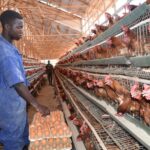
As part of efforts to enhance poultry farming in Kisumu County, I, Bala Morgan, supervised a comprehensive training session on broiler chicken management.The training, organized under the Office of the Kisumu County MP H.E Ruth Odinga, aimed to equip farmers with the best practices for rearing broilers profitably. Farmers were taken through key management aspects, including feeding, vaccination, temperature control, housing, and biosecurity, to ensure high survival rates, faster growth, and maximum profitability in poultry farming.

Poultry farming in Kenya is one of the most lucrative agribusiness ventures, particularly in regions like Kisumu County. With the increasing demand for poultry products, especially broiler chicken meat, farmers have a golden opportunity to tap into this market for sustainable income. However, the success of broiler farming hinges on proper management practices, which include feeding, vaccination, housing, biosecurity, and growth monitoring. This comprehensive guide, inspired by the training sessions supervised by Morgan Bala under the Office of Kisumu County MP H.E Ruth Odinga, aims to equip poultry farmers in Kenya with the knowledge and skills needed to maximize profitability in broiler farming.
Introduction to Broiler Farming in Kenya
Broiler farming involves raising chickens specifically for meat production. Unlike layers, which are reared for egg production, broilers are bred to grow rapidly and reach market weight within a short period, typically 5-6 weeks. This makes broiler farming an attractive venture for poultry farmers in Kenya, as it offers quick returns on investment.
In Kisumu County, the potential for broiler farming is immense. The region’s favorable climate, availability of feed, and growing demand for poultry products create a conducive environment for profitable poultry farming. However, many farmers face challenges such as high mortality rates, poor growth performance, and disease outbreaks, which can significantly impact profitability.
This guide addresses these challenges by providing detailed insights into best practices for broiler management.
Feeding and Nutrition: The Foundation of Broiler Farming
Proper nutrition is critical for the growth and development of broiler chickens. Broilers have specific dietary requirements at different stages of their growth cycle. Meeting these requirements ensures optimal growth, high meat yield, and overall profitability.

1. Starter Feed (1-3 Weeks)
During the first three weeks, broilers require a high-protein diet to support rapid growth and development. Starter feed should contain 22-24% protein, along with essential vitamins and minerals. This phase lays the foundation for healthy growth, and any nutritional deficiencies can lead to stunted growth or increased mortality.
2. Grower Feed (4-5 Weeks)
From the fourth to the fifth week, broilers enter the grower phase. During this period, the protein content in the feed can be slightly reduced to 20-22%. The focus shifts to sustaining growth and preparing the birds for the final phase of production.
3. Finisher Feed (6+ Weeks)
In the finisher phase, the protein content is further reduced to 18-20%. This phase is crucial for achieving optimal meat production. The feed should be rich in energy to ensure the birds reach the desired market weight of 1.5-2.5 kg.
4. Water Management
Water is an often-overlooked aspect of broiler farming. Clean, fresh water should be available at all times to prevent dehydration and heat stress. Waterers should be cleaned regularly to avoid contamination, which can lead to disease outbreaks.
Vaccination Schedule: Protecting Your Flock from Diseases
Disease outbreaks are one of the biggest threats to broiler farming. A well-planned vaccination schedule is essential to protect your flock and ensure high survival rates.
1. Day 1: Marek’s Disease
Marek’s disease is a highly contagious viral infection that affects young chickens. Vaccination at the hatchery provides early protection against this disease.
2. Day 7: Newcastle and Gumboro (First Dose)
Newcastle disease and Gumboro disease are two of the most common and devastating poultry diseases. The first dose of the vaccine is administered on the seventh day to build immunity.
3. Day 14: Newcastle and Gumboro (Booster)
A booster dose is given on the 14th day to reinforce immunity and provide long-term protection.
4. Week 3: Fowl Pox Vaccine
Fowl pox is a viral disease that causes lesions on the skin and mucous membranes. Vaccination in the third week helps prevent outbreaks.
5. Week 4: Deworming
Deworming is essential to eliminate internal parasites that can affect growth and productivity. Repeat deworming every four weeks to maintain a healthy flock.
6. Ongoing Health Monitoring
Regular health checks are crucial for early detection of diseases. Monitor your birds for signs of illness, such as lethargy, loss of appetite, or abnormal droppings, and take immediate action if needed.
Temperature and Brooding Management: Creating the Ideal Environment
Broilers are highly sensitive to temperature fluctuations, especially during the early stages of life. Proper brooding management ensures the birds remain healthy and grow at an optimal rate.
1. Week 1: Maintaining 32-35°C
During the first week, the brooding area should be maintained at a temperature of 32-35°C. Infrared bulbs or charcoal stoves can be used to achieve this. Proper temperature control is essential to prevent chilling, which can lead to high mortality rates.
2. Weeks 2-3: Gradual Temperature Reduction
From the second week onwards, the temperature can be gradually reduced by 2-3°C per week. By the end of the third week, the temperature should be around 22-24°C.
3. Week 4+: Ventilation and Litter Management
As the birds grow, proper ventilation becomes increasingly important. Good airflow helps control humidity and ammonia levels, reducing the risk of respiratory diseases. Additionally, keep the litter dry and clean to maintain a healthy environment.
Housing and Space Requirements: Ensuring Comfort and Hygiene
The design and management of the broiler house play a critical role in the success of your poultry farming venture.
1. Spacing
Overcrowding can lead to stress, disease outbreaks, and poor growth performance. Provide at least 1 square foot of space per bird to ensure comfort and minimize competition for resources.
2. Litter Management
Use dry wood shavings or rice husks as litter material. Change the litter regularly to maintain hygiene and prevent the buildup of harmful pathogens.
3. Ventilation
Proper ventilation is essential for maintaining air quality and preventing respiratory diseases. Ensure the broiler house has adequate airflow without exposing the birds to drafts.
Biosecurity and Disease Prevention: Safeguarding Your Investment
Biosecurity measures are critical for preventing the introduction and spread of diseases on your farm.

1. Restrict Farm Visitors
Limit access to your farm and ensure all visitors disinfect their hands, boots, and equipment before entering.
2. Isolate Sick Birds
Immediately isolate any birds showing signs of illness to prevent the spread of disease to the rest of the flock.
3. Cleaning and Disinfection
Maintain a strict cleaning routine for drinkers, feeders, and other equipment. Proper waste disposal is also essential to keep the environment clean and disease-free.
Growth Monitoring and Market Readiness: Maximizing Profits
Regular growth monitoring helps you track the performance of your flock and make informed decisions to optimize profits.
1. Weekly Weighing
Weigh your birds weekly to ensure they are growing at the desired rate. Adjust feeding and management practices as needed to address any issues.
2. Ideal Market Weight
Broilers typically reach a market weight of 1.5-2.5 kg within 5-6 weeks. Birds that achieve this weight within the specified timeframe are ready for sale.
3. Culling Underperformers
Cull birds that are not growing as expected to reduce feed costs and focus resources on healthy, high-performing birds.
The Role of Poultry Farmers in Kenya’s Agricultural Economy
Poultry farming in Kenya is more than just a source of income; it is a vital component of the country’s agricultural economy. By adopting best practices in broiler management, poultry farmers in Kenya can contribute to food security, create employment opportunities, and drive economic growth.
In Kisumu County, initiatives like the training sessions supervised by Morgan Bala are empowering farmers with the knowledge and skills needed to succeed in broiler farming. With proper management, nutrition, and disease control, broiler farming can become a highly profitable venture for farmers in the region.
Conclusion: Unlocking the Potential of Broiler Farming in Kisumu County
Broiler farming offers immense potential for poultry farmers in Kenya, particularly in Kisumu County. By following the best practices outlined in this guide, farmers can reduce production costs, optimize meat yield, and maximize profitability. From feeding and vaccination to housing and biosecurity, every aspect of broiler management plays a crucial role in ensuring success.
As the demand for poultry products continues to grow, now is the time for farmers to seize the opportunity and unlock the full potential of broiler farming. With dedication, proper management, and continuous learning, poultry farmers in Kenya can achieve sustainable success and contribute to the growth of the agricultural sector.
This comprehensive guide serves as a valuable resource for poultry farmers in Kenya, providing them with the tools and knowledge needed to thrive in the competitive world of broiler farming. By implementing these best practices, farmers can overcome challenges, maximize profits, and make a meaningful impact on their communities and the broader agricultural economy.
Article By: MORGAN BALA
https://farmerstrend.co.ke/trending/broiler-chicken-management-for-profitable-meat-production-in-kisumu-county-a-comprehensive-guide-for-poultry-farmers-in-kenya/https://farmerstrend.co.ke/wp-content/uploads/2025/01/1738189684089-1024x682.jpeghttps://farmerstrend.co.ke/wp-content/uploads/2025/01/1738189684089-150x150.jpeg# TrendingLivestock FarmingPoultry Farmingbroiler biosecurity,broiler chicken management,broiler disease prevention,broiler farming and community development.,broiler farming and economic growth,broiler farming and employment,broiler farming and food security,broiler farming best practices,broiler farming business plan,broiler farming challenges,broiler farming equipment,broiler farming for beginners,broiler farming guide,broiler farming in Africa,broiler farming in developing countries,Broiler farming in kenya,broiler farming in Kisumu County,broiler farming in rural areas,broiler farming in urban areas,broiler farming income,broiler farming innovations,broiler farming opportunities,broiler farming profitability,broiler farming solutions,broiler farming success,broiler farming sustainability,broiler farming techniques,broiler farming tips,broiler farming training,broiler farming trends,broiler feeding and nutrition,broiler growth monitoring,broiler housing requirements,broiler market readiness,broiler temperature control,broiler vaccination schedule,poultry farmers in kenya,poultry farming and community development,poultry farming and economic growth,poultry farming and employment,poultry farming and food security,poultry farming best practices,poultry farming business plan,poultry farming challenges,poultry farming equipment,poultry farming for beginners,poultry farming guide,poultry farming in Africa,poultry farming in developing countries,poultry farming in kenya,poultry farming in Kisumu,poultry farming in rural areas,poultry farming in urban areas,poultry farming income,poultry farming innovations,poultry farming opportunities,poultry farming profitability,poultry farming solutions,poultry farming success,poultry farming sustainability,poultry farming techniques,poultry farming tips,poultry farming training,poultry farming trends,profitable meat productionAs part of efforts to enhance poultry farming in Kisumu County, I, Bala Morgan, supervised a comprehensive training session on broiler chicken management.The training, organized under the Office of the Kisumu County MP H.E Ruth Odinga, aimed to equip farmers with the best practices for rearing broilers profitably. Farmers...FarmersTrendjohn doefarmerstrend@gmail.comAdministratorFarmers Trend Ltd.






Leave a Reply