Comprehensive Guidelines for the First Seven Days of Brooding in a Poultry Farm
Brooding is a critical stage in the poultry production process, as it lays the foundation for the health, growth, and productivity of the birds. The first seven days are particularly important because chicks or poults are highly sensitive during this time. Proper management practices can significantly impact their survival rate and overall performance.

Below are comprehensive guidelines for the first seven days of brooding, with an emphasis on best practices and considerations tailored to Kenyan farmers and others globally.
1. Early Placement of Chicks in the House
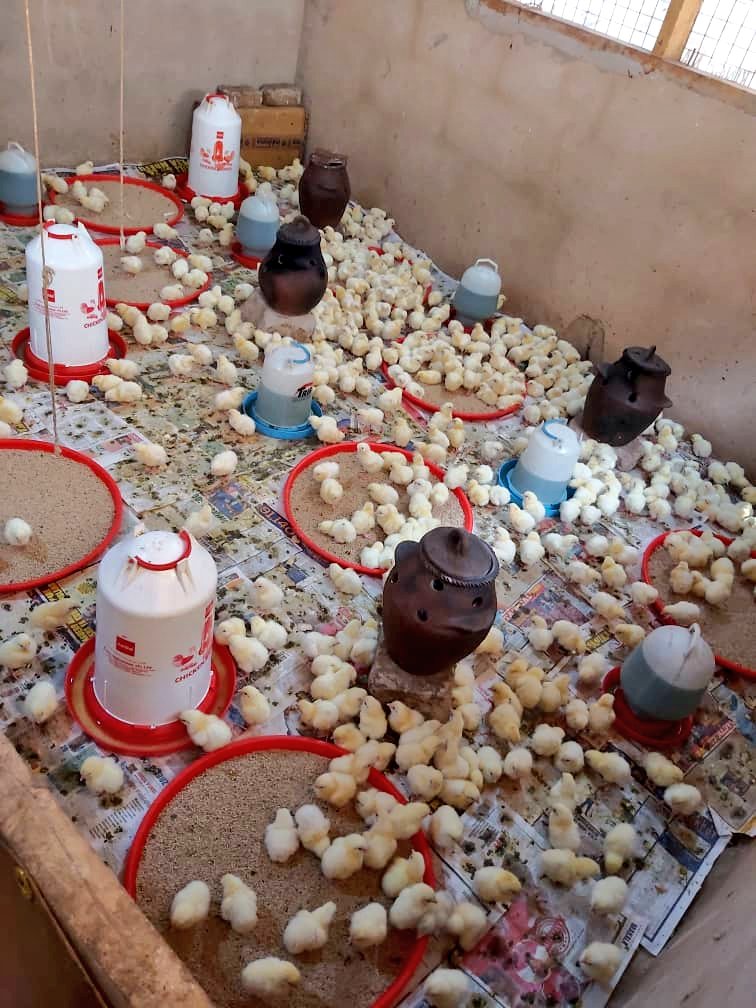
Timely Placement: The transportation of chicks from the hatchery to the farm should be as quick as possible. Delays during transport can stress the chicks, affecting their health and development. Once you collect your birds from the hatchery or sales point, prioritize getting them to their new environment promptly.
Immediate Access to Water: Upon placement, it is essential to provide clean, fresh drinking water to the chicks. For the first hour after arrival, mix the water with glucose or a multivitamin supplement such as Vitastress. This step replenishes the chicks’ energy reserves, boosts their immune systems, and reduces the risk of dehydration. Avoid feeding the chicks during this hour to prevent constipation.
Easy Access to Feed and Water: After the initial hour of hydration, introduce high-quality feed that is specially formulated for chicks. Position feed and water sources where the chicks can easily find them, as this minimizes the time spent searching for nourishment. Proper placement ensures the chicks receive adequate nutrition and hydration from the beginning.
Crop Fill Monitoring: Monitoring crop fill is a reliable method to ensure chicks are eating and drinking well. Four hours after placement, randomly pick a few chicks and check their crop fill. The target crop fill should be around 85% at this stage. After 12 hours, aim for a crop fill of 95%, and after 24 hours, it should reach 98-100%. Achieving these targets indicates that the chicks are adapting well to their new environment.
Temperature and Water Placement: Ensure water drinkers are placed away from heat sources such as brooder lamps or pots. Water that becomes too warm will discourage chicks from drinking, leading to dehydration. Maintaining a suitable temperature for both the brooding area and the drinking water is essential for the birds’ comfort and health.
2. Nutritional Considerations: Feed and Digestible Raw Materials
Importance of High-Quality Feed: During the first seven days, chicks’ digestive systems are still maturing. It is vital to provide feed made from highly digestible raw materials. Using chick feed from reputable commercial manufacturers ensures the nutritional needs of the birds are met. For example, in Kenya, farmers can source feed from trusted suppliers known for producing high-quality poultry feed.
Avoid DIY Feed Mixing: While mixing feed at home may seem cost-effective, it is not recommended unless you have expertise in poultry nutrition. Mistakes in feed formulation can lead to nutrient deficiencies, health issues, and poor growth performance. Instead, rely on approved feed suppliers in your locality to avoid potential problems.
Nutritional Supplements: In addition to feed, consider adding supplements such as probiotics or prebiotics to support gut health. These supplements help in the development of a robust digestive system, which is crucial for nutrient absorption and immunity development.
3. Hygiene and Biosecurity Measures
Sanitation and Disinfection: The brooding house must be cleaned, sanitized, and disinfected thoroughly before the arrival of chicks. Use trusted disinfectants to ensure the premises are free from harmful pathogens. All materials used in the brooding process, such as feeders, drinkers, and bedding, must also be adequately sanitized.
Importance of Hygiene: Chicks have underdeveloped immune systems during their first week of life, making them highly susceptible to infections. High hygiene standards can prevent diseases and improve survival rates.
Biosecurity Practices:
- Foot Baths: Place foot baths at the entrance of the brooding house, and ensure anyone entering the area disinfects their footwear.
- Restricted Access: Limit access to the brooding house to essential personnel only. This minimizes the risk of introducing pathogens.
- Hand Hygiene: Wash hands thoroughly before and after handling chicks or working in the brooding area.
Waste Management: Dispose of waste materials, such as used bedding and droppings, in a manner that does not contaminate the brooding area. Proper waste management reduces the risk of disease spread.
4. Environmental Management in the Brooding House
Temperature Control: Maintaining an optimal temperature is critical during the first week of brooding. The recommended temperature range is 32-35°C at chick level for the first three days, gradually reducing it by 2°C each week. Use reliable heat sources, such as infrared lamps or gas heaters, and monitor the temperature using thermometers placed at chick level.
Ventilation: Proper ventilation is necessary to provide fresh air while preventing drafts. Good ventilation ensures the removal of excess moisture, ammonia, and carbon dioxide, creating a healthy environment for the chicks.
Lighting: Provide adequate lighting to encourage feeding and drinking. Continuous light during the first 48 hours helps chicks locate feed and water. After this period, implement a lighting schedule that balances light and dark periods to promote healthy growth and rest.
Bedding and Litter Management: Use clean, dry, and absorbent bedding materials such as wood shavings or rice husks. Maintain a bedding depth of at least 2-3 inches. Replace wet or soiled bedding promptly to prevent the buildup of harmful bacteria and ammonia.
5. Water Management
Quality and Availability: Water is a critical nutrient, and its quality directly impacts the health and performance of chicks. Use clean, potable water that is free from contaminants. Test water sources periodically to ensure they meet safety standards.
Placement of Drinkers: Distribute drinkers evenly throughout the brooding area to ensure easy access for all chicks. Refill and clean drinkers regularly to maintain hygiene and prevent the spread of diseases.
Water Additives: Consider adding electrolytes, vitamins, or probiotics to the water during the first few days to support hydration and boost the chicks’ immune systems. Always follow the manufacturer’s recommendations for dosage.
6. Monitoring Chick Behavior
Observing Chicks: Pay close attention to the behavior of chicks as it provides valuable insights into their comfort and health.
- Cold Chicks: If the chicks are huddling under the heat source, it indicates they are cold. Adjust the temperature accordingly.
- Hot Chicks: If the chicks are panting or moving away from the heat source, it suggests overheating. Lower the temperature to create a comfortable environment.
- Content Chicks: Chicks that are evenly distributed, active, and chirping softly are generally comfortable.
Record Keeping: Maintain detailed records of daily observations, including feed and water consumption, temperature readings, and health checks. This data helps in identifying trends and making informed management decisions.
7. Health Management
Vaccination: Follow a vaccination schedule as recommended by your veterinarian. Vaccinations protect chicks from common diseases such as Newcastle disease, Gumboro, and Marek’s disease.
Disease Prevention: Be vigilant for signs of illness, such as lethargy, loss of appetite, or abnormal droppings. Early detection and intervention can prevent the spread of diseases.
Veterinary Support: Establish a relationship with a trusted veterinarian who can provide guidance on health management and address any concerns promptly.
Final Thoughts
The first seven days of brooding are a critical period that requires meticulous attention to detail and adherence to best practices. From timely placement and high-quality feed to rigorous hygiene and environmental management, every aspect plays a role in ensuring the health and productivity of the chicks. In Kenya, where poultry farming is a significant contributor to the agricultural sector, adopting these guidelines can lead to better outcomes and higher profits for farmers. By implementing these practices, you can set a strong foundation for the success of your poultry operation.
https://farmerstrend.co.ke/trending/comprehensive-guidelines-for-the-first-seven-days-of-brooding-in-a-poultry-farm/https://farmerstrend.co.ke/wp-content/uploads/2025/01/GgBk3uFXkAAICin.jpghttps://farmerstrend.co.ke/wp-content/uploads/2025/01/GgBk3uFXkAAICin-150x150.jpg# Trendingbiosecurity in poultry,brooding guidelines,chick brooding,chick brooding in Kenya,chick crop fill,chick digestion,chick feed suppliers,chick health tips,clean water for chicks,commercial poultry feed,disinfection in poultry farms,early chick placement,feeding chicks,glucose for chicks,heat source management,poult farming,poultry biosecurity measures,poultry farming best practices,poultry farming in kenya,poultry house hygiene,starting poultry farmingBrooding is a critical stage in the poultry production process, as it lays the foundation for the health, growth, and productivity of the birds. The first seven days are particularly important because chicks or poults are highly sensitive during this time. Proper management practices can significantly impact their survival...FarmersTrendjohn doefarmerstrend@gmail.comAdministratorFarmers Trend Ltd.








Leave a Reply