Water Management: The Silent Driver of Avocado Productivity and Export Compliance in Kenya
Kenya’s avocado sector has become one of the most talked about success stories in the country’s agricultural economy. Production is projected to climb toward 727,000 tonnes this year, and export earnings are expected to approach the KES 25 billion mark, driven by expanding demand in the Netherlands, the United Arab Emirates, China and India. Behind these impressive figures sits a much quieter story, one that rarely makes headlines but ultimately determines whether a farmer’s orchard thrives or struggles. That story is about water.
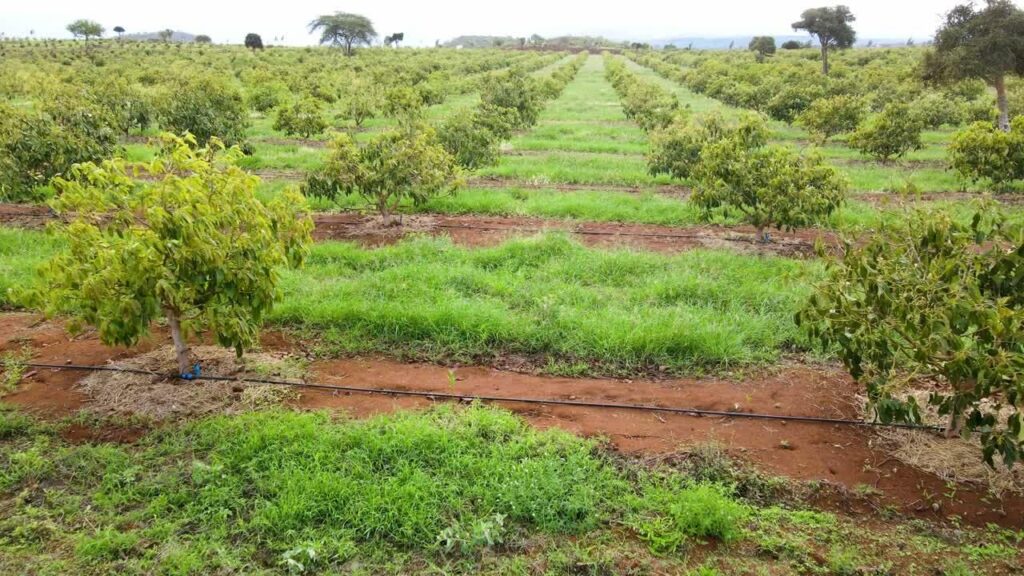
During recent visits to smallholder avocado farms across Kenya’s South Rift region, a single observation kept repeating itself on every homestead, in every conversation with growers, and in every orchard walked through under the midday sun. Farms with reliable, well managed water access were consistently healthier, more productive and better positioned to meet the exacting standards of export buyers. Farms without it struggled, regardless of how good the seedlings were, how well the trees were spaced, or how diligently pests were controlled. Water, it turns out, is not a supporting actor in avocado farming. It is the lead.
This matters enormously for Kenya at this moment in its avocado journey. The country has positioned itself as Africa’s leading avocado producer and exporter, and international buyers are increasingly selective about where they source from and what standards those sources must meet. As more smallholder farmers step into export supply chains, the question of water, how it is sourced, how it is used, and how it is documented, has moved from being a technical detail to being a determining factor in whether a farm succeeds in reaching the world market.
Kenya’s Avocado Boom and Why It Cannot Be Taken for Granted
Kenya now ranks among the top avocado producing nations globally, with cultivation spread across more than thirty counties and a grower base dominated by smallholders, who account for roughly seven in every ten kilogrammes produced. The Hass variety has become the backbone of this growth, prized abroad for its thick skin, long shelf life and rich oil content, qualities that make it far better suited to the long sea journeys required to reach European and Asian markets than older varieties such as Fuerte.
Yet this growth has not come without friction. In recent seasons, Kenya’s export volumes have occasionally dipped even as global demand rose, largely because of quality concerns tied to premature harvesting, alongside logistical disruptions affecting shipping routes through the Red Sea. Regulators have tightened enforcement around fruit maturity standards, and buyers abroad have become considerably less forgiving of inconsistent quality. Morocco, a smaller producer than Kenya, has in some seasons commanded better prices for its avocados, a gap that industry watchers have linked partly to quality management rather than agronomic potential.
What all of this points to is a sector under pressure to professionalise, not just in how fruit is picked and packed, but in how it is grown from the very first stages of orchard establishment. And at the root of that professionalisation, quite literally, lies water management.
Why Avocado Trees Are So Sensitive to Water
Avocado trees are not like maize or beans, crops that can tolerate a missed rainy season and still produce something at harvest. The avocado tree has a comparatively shallow and sensitive root system, heavily concentrated in the top layers of soil, which makes it unusually reliant on consistent soil moisture rather than deep groundwater reserves that other trees might tap into during dry spells.
This shallow rooting habit means avocado trees respond quickly, and often visibly, to both drought stress and waterlogging. Too little water and the tree begins shedding leaves and flowers to conserve energy, directly reducing the number of fruits that eventually set. Too much water, particularly in poorly drained soils, starves the roots of oxygen and creates conditions favourable to root rot, one of the most destructive diseases affecting avocado orchards worldwide. Getting the balance right is therefore not a minor agronomic preference. It is the single factor that most consistently separates a productive avocado orchard from a disappointing one.
Farmers who have grown crops such as maize, beans or even bananas sometimes carry those habits of watering into avocado farming without adjusting for the tree’s particular sensitivities. A tree that looks healthy above ground can already be suffering root stress below the surface, and by the time visible symptoms such as leaf scorch, wilting or dieback appear, the damage to that season’s yield may already be done.
Matching Water to the Tree’s Growth Stages
Avocado water requirements are not constant throughout the year. They shift according to the tree’s developmental stage, and farmers who understand this rhythm are far better placed to use water efficiently rather than simply irrigating on a fixed schedule regardless of what the tree actually needs.
Young trees, particularly those in their first two to three years after transplanting, need frequent but modest watering to help establish a strong root system. Over watering at this stage, ironically, can be just as damaging as under watering, since young roots are especially vulnerable to fungal pathogens in waterlogged soil. As the tree matures and begins flowering, water demand rises sharply, since flowering and the subsequent fruit set are among the most water sensitive phases in the tree’s annual cycle. A dry spell during flowering can cause significant flower and fruitlet drop, an outcome that only becomes apparent months later at harvest, when yields fall short of expectations for reasons that are not always obvious to the farmer at the time.
Once fruit has set and begun to develop, consistent moisture becomes critical again, this time to support even fruit sizing and to prevent the kind of stress that leads to smaller, less marketable fruit. Toward the end of the season, as fruit matures and dry matter content builds, a slight reduction in watering can actually be beneficial, helping to concentrate the oil content that buyers, particularly in export markets, use as one measure of fruit quality and readiness for harvest.
Understanding this cycle transforms irrigation from a routine chore into a precision tool. Farmers who irrigate according to the calendar rather than according to the tree’s actual stage of growth often end up wasting water during periods when the tree needs little, while under supplying it during the critical windows when a shortage does the most damage.
The Silent Cost of Water Stress: Pests and Disease
One of the least appreciated consequences of poor water management is how directly it opens the door to pest and disease pressure. Plant scientists have long observed that stressed plants, whether stressed by drought, waterlogging or nutrient imbalance, become considerably more attractive and vulnerable to pests than healthy, well watered plants. This is true across most crops, but it carries particular weight in avocado, where the economic cost of a pest or disease outbreak can wipe out an entire season’s export eligibility.
Trees weakened by inconsistent watering often show reduced resistance to fungal pathogens such as those responsible for root rot and stem cankers, conditions that can persist in an orchard for years once established and are notoriously difficult and expensive to reverse. Water stressed trees also tend to produce weaker, thinner foliage, which offers less natural resilience against insect pests such as false codling moth and various scale insects, both of which are subject to strict quarantine restrictions in key export markets including the European Union.
For a farmer supplying the domestic market, a pest outbreak is a loss of income. For a farmer supplying an export buyer, it can mean an entire consignment being rejected at the point of inspection, a cost that extends well beyond the immediate crop to include damaged relationships with buyers who have little patience for repeated quality failures. In this sense, disciplined water management functions almost as a form of insurance, reducing the underlying vulnerability that allows pest and disease problems to take hold in the first place.
Water Realities on Smallholder Farms
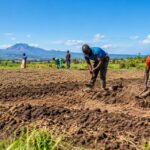
Visiting smallholder avocado farms across the South Rift makes clear just how uneven water access remains across Kenya’s growing regions. Some farmers have benefited from boreholes, seasonal streams or proximity to rivers, allowing them to irrigate through dry periods with relative confidence. Others depend almost entirely on rainfall, an increasingly unpredictable resource as rainfall patterns across much of Kenya have become less reliable in timing and intensity over recent seasons.
This unevenness creates a two tier reality within the same growing region. Farmers with reliable water access are able to plan planting, flowering and harvest with a degree of confidence, adjusting irrigation to match the tree’s needs at each stage. Farmers without that access are left largely at the mercy of the weather, watching yields fluctuate not because of anything they did wrong agronomically, but simply because the rains came late, ended early, or failed to arrive with sufficient intensity during a critical flowering window.
The implications for Kenya’s export ambitions are significant. Buyers sourcing avocados for international markets need consistency, not just in fruit quality but in volume, season after season. A supply base where output swings wildly depending on rainfall makes it difficult for exporters to build the kind of dependable, long term buyer relationships that command premium prices. Addressing water access at the smallholder level, therefore, is not simply a matter of individual farm welfare. It is a structural requirement for Kenya to consolidate its position in competitive global markets.
Building Water Smart Irrigation Systems
Fortunately, the solutions to inconsistent water access are well understood, even if their adoption remains uneven across the country. Drip irrigation has emerged as one of the most effective and increasingly affordable options for smallholder avocado farmers, delivering water directly to the root zone in controlled amounts and significantly reducing the waste associated with flood or furrow irrigation. Because avocado roots are shallow and concentrated near the trunk, drip systems are particularly well suited to the crop, allowing farmers to fine tune water delivery according to tree age and growth stage rather than applying a blanket volume across the entire orchard.
For farmers without access to a permanent water source such as a river or borehole, rainwater harvesting offers a practical complement to whatever irrigation system is in place. Simple infrastructure, from farm ponds to rooftop collection systems linked to storage tanks, can capture water during the rainy season for use during drier months, smoothing out some of the unpredictability that currently undermines planning on many farms. In regions where groundwater is accessible but expensive to extract, cooperative arrangements between neighbouring farmers, sharing the cost of a borehole and distribution infrastructure, have in some areas proven more financially sustainable than individual investment.
None of these systems function well without basic soil moisture monitoring. Farmers who irrigate purely by habit or guesswork often either overwater, wasting a scarce and sometimes costly resource, or underwater, unknowingly stressing their trees during critical growth windows. Simple tools, from manual soil probes to more advanced moisture sensors now becoming available at increasingly accessible price points, allow farmers to base irrigation decisions on what the soil and tree actually need rather than on assumption.
Water Quality Matters as Much as Water Quantity
Discussions about avocado irrigation often focus entirely on volume, how much water a tree receives, while paying far less attention to the quality of that water. This is a significant oversight, because water quality has direct implications both for tree health and for compliance with export food safety standards.
Salinity is one concern in certain regions, particularly where boreholes draw from aquifers with naturally higher mineral content. Avocado trees are relatively sensitive to salt accumulation in the root zone, and irrigation with saline water over time can reduce yields and, in severe cases, cause visible leaf burn and dieback. Farmers relying on borehole water, particularly in areas where salinity is a known regional issue, benefit from periodic water testing to catch problems before they translate into declining tree health.
Contamination is the other major concern, and it carries consequences that extend well beyond the orchard itself. Water drawn from sources near agricultural runoff, livestock areas or informal waste disposal sites can carry pathogens capable of contaminating fruit, particularly when that same water is later used for washing or cooling avocados after harvest. This is precisely the kind of risk that food safety certification schemes such as GlobalG.A.P. are designed to catch and prevent, and it is a risk that smallholder farmers, often working with limited testing infrastructure, can find genuinely difficult to manage without external support and training.
Export Certification and the Water Compliance Checklist
For Kenyan avocado farmers hoping to access export markets, either directly or through an aggregating exporter, water sits at the centre of several compliance requirements that buyers and certification bodies now treat as non negotiable. GlobalG.A.P., the most widely recognised farm certification standard among European buyers, requires documented evidence of water source management, water testing where relevant, and clear protocols governing how water is used at every stage from irrigation through to post harvest handling.
This is not merely a matter of having access to clean water in practice. Certification auditors expect records, testing dates, source descriptions, and evidence that any identified risks have been addressed through corrective action. Farmers accustomed to informal water use, drawing from a nearby stream without much documentation of when or how, often find this the most unfamiliar and initially challenging part of the certification process, even when their actual water source is perfectly safe.
Beyond GlobalG.A.P., individual buyers and importing countries frequently layer on additional requirements. European Union food safety regulations set maximum residue limits that extend to water used in any process that comes into contact with the fruit, while some Middle Eastern and Asian buyers have begun introducing their own supplementary checks as competition for market share among exporting nations intensifies. For a Kenyan smallholder aiming to move from supplying the domestic market to supplying an export packhouse, understanding and preparing for this web of water related requirements early, rather than scrambling to meet them once a buyer relationship is already on the table, can make the difference between a smooth transition and a frustrating series of rejected applications.
Post Harvest Water Use: The Overlooked Compliance Gap
Much of the conversation around avocado water management understandably centres on irrigation, since that is where the largest volumes of water are used and where the most visible impact on tree health occurs. But water used after harvest, during washing, sorting, cooling and packing, carries its own significant food safety weight, and it is an area where gaps often go unnoticed until an audit or a rejected shipment brings them into sharp focus.
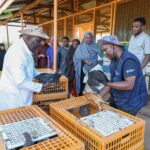
Avocados destined for export are frequently washed to remove field dust and residue before grading and packing. If that wash water is not properly managed, whether reused without adequate filtration or drawn from a source with questionable safety, it can introduce contamination risk at precisely the stage where fruit is closest to reaching the consumer. Packhouses serving export markets are increasingly expected to demonstrate not just that clean water is available, but that it is being used correctly, changed at appropriate intervals, and, where reused, treated in a way that keeps contamination risk within acceptable limits.
For smallholder farmers who deliver fruit to a central collection or packing point rather than operating their own packhouse, this responsibility shifts somewhat toward the aggregator or exporter. Even so, understanding this stage of the value chain helps farmers appreciate why buyers place such emphasis on the full journey of their fruit, from the moment water first touches the tree’s roots to the moment the fruit is packed for shipment, rather than focusing narrowly on how the fruit looks at the point of delivery.
Traceability, Record Keeping and the Paper Trail Buyers Expect
Modern export supply chains run on documentation almost as much as they run on the physical product itself. Buyers increasingly want to know not just that a farm’s water is safe, but that the farm can prove it, with dated records showing when water sources were tested, what the results were, and what action was taken if any issue was identified.
This represents a cultural shift for many smallholder farmers, who have traditionally managed their farms through experience and memory rather than written records. Extension officers and agribusiness aggregators working with export focused smallholders have found that even simple record keeping systems, a basic notebook tracking irrigation dates, water source changes and any observed issues, can dramatically improve a farmer’s readiness for certification audits. The habit of documentation, once established, tends to pay dividends well beyond water management alone, since certification bodies typically expect similar record keeping around fertiliser and crop protection product use as well.
Aggregators and exporters working closely with smallholder groups have an important role to play here, providing training and, in some cases, simple record keeping tools that make compliance manageable for farmers juggling water management alongside every other demand of running a farm. Where this support has been provided consistently, farmer groups have generally found the transition to certified, export ready production considerably smoother than those left to navigate the requirements alone.
The Economic Stakes for Farming Families and the Wider Economy
It is worth pausing to consider what is actually at stake in getting avocado water management right. For an individual smallholder family, the difference between a well irrigated orchard and a water stressed one can translate into a substantial gap in household income, particularly given that avocado prices for export grade fruit typically command a significant premium over fruit sold into the domestic market. A farm that consistently produces export quality fruit, season after season, offers a level of income stability that few other crops available to Kenyan smallholders can match.
At a national level, the stakes multiply considerably. Avocado has become one of Kenya’s most valuable horticultural exports, generating foreign exchange earnings that support not just farming households but the wider network of packhouses, transporters, input suppliers and exporters that has grown up around the sector. With smallholders responsible for the majority of national production, the sector’s ability to maintain and grow its export earnings depends substantially on whether hundreds of thousands of individual farming households can consistently meet the quality and compliance standards that international buyers demand.
Water management sits close to the centre of that equation. A sector where water access and quality are inconsistent across its smallholder base is a sector vulnerable to the kind of quality problems that have already cost Kenya ground against competitors in certain seasons. Conversely, a sector where water smart practices become the norm rather than the exception is one far better positioned to defend and grow its position as Africa’s leading avocado exporter in an increasingly competitive global market.
Climate Change Is Raising the Stakes
Kenya’s rainfall patterns have grown noticeably less predictable in recent years, a trend that climate scientists broadly attribute to the wider effects of climate change on East African weather systems. For avocado farmers, this unpredictability is not an abstract future concern but a present reality already shaping outcomes on the ground, with delayed rains, shorter wet seasons and more intense but less evenly distributed rainfall events becoming increasingly common across several key growing regions.
This shifting climate makes the case for water smart farming considerably more urgent than it might have seemed a decade ago. Orchards that depend entirely on rainfall, with no supplementary irrigation and no water storage capacity, are increasingly exposed to the kind of yield swings that make long term planning difficult and export commitments risky to sustain. Investment in irrigation infrastructure, water storage and soil moisture management is, in this sense, not simply about optimising an already functional system. It is about building resilience into a sector facing a genuinely less predictable climate future than the one in which many current orchards were originally established.
Farmers who have made these investments, even modest ones such as farm ponds or basic drip systems, frequently describe a noticeable difference in how confidently they can plan their season compared to neighbours relying solely on rainfall. That confidence translates directly into better decision making around everything from fertiliser timing to harvest scheduling, decisions that ultimately determine both yield and fruit quality at the point of sale.
The Role of Policy, Extension Services and Industry Support
Individual farmers cannot solve Kenya’s avocado water challenge entirely on their own, and there is a growing recognition among government agencies, county administrations and industry bodies that coordinated support is needed to help smallholders adopt water smart practices at scale. County governments in several major growing regions have begun incorporating irrigation infrastructure support into their agricultural development programmes, while national bodies overseeing horticultural exports have increasingly emphasised water management as part of broader efforts to improve fruit quality and reduce the kind of premature harvesting problems that have periodically disrupted export volumes.
Extension services remain a critical link in translating technical knowledge about avocado water requirements into practical guidance that smallholder farmers can act on. Farmers who have had regular contact with knowledgeable extension officers, whether from county agriculture offices, exporter outreach programmes or agricultural input companies, generally demonstrate a noticeably better understanding of how to match irrigation to the tree’s growth stage than those without such support. Expanding the reach and quality of this kind of technical guidance, particularly in newer avocado growing areas where farmers may have less accumulated experience with the crop, represents one of the more cost effective interventions available for improving both productivity and export readiness across the sector.
Industry gatherings, including the annual congress organised by the Avocado Society of Kenya bringing together farmers, exporters and policymakers, have increasingly placed water management and broader sustainability themes at the centre of their agenda, a reflection of just how central these issues have become to the sector’s continued growth. The message emerging consistently from these platforms is that Kenya’s avocado success story cannot be taken for granted, and that sustaining it will require deliberate, coordinated investment in the fundamentals, water chief among them, rather than relying solely on favourable growing conditions and strong global demand to carry the sector forward.
Everything Starts With the Right Seedling
All of the water management practices discussed here, from precise irrigation scheduling to careful post harvest handling, depend on one foundational decision that many farmers underestimate at the point of establishing their orchard: the quality of the seedling planted in the first place. A farmer who invests heavily in irrigation infrastructure but plants uncertified, poorly grafted seedlings of uncertain parentage is, in effect, building a sophisticated support system around a foundation that was never designed to reward that investment.
Certified grafted Hass avocado seedlings offer farmers several advantages that ripple through every subsequent stage of production. Because they are propagated from verified mother trees through proper grafting technique, they grow true to type, meaning the fruit they eventually produce matches the Hass characteristics that export buyers specifically demand, rather than the unpredictable variation common in seedlings grown from uncertified sources. Grafted trees also typically reach productive maturity faster than seedling grown trees propagated from seed, shortening the wait before a farmer begins seeing meaningful returns on their investment.
Just as importantly for the water management themes discussed throughout this piece, seedlings from reputable, certified nurseries tend to have healthier, better developed root systems from the outset, giving them a stronger foundation to respond well to proper irrigation practices. A weak or poorly developed root system, often the result of substandard nursery practices, can undermine even the most carefully managed water regime, since the tree simply lacks the root architecture needed to take full advantage of the water and nutrients being provided.
Where Farmers Can Access Certified Grafted Hass Avocado Seedlings
Given how much rides on this initial decision, farmers preparing to establish or expand an avocado orchard are strongly encouraged to source their seedlings only from certified, reputable nurseries rather than from informal roadside vendors whose planting material cannot be verified. Certified grafted Hass avocado seedlings are available from Farmers Trend Nurseries, reachable on 0790509684, and from Fruit Africa Veriplant, reachable on 0714994444. Both outlets supply grafted seedlings suited to Kenya’s major avocado growing regions, giving farmers a reliable starting point for building the kind of healthy, export ready orchard that disciplined water management is ultimately designed to support.
Farmers reaching out to either supplier are advised to ask specifically about the grafting source and certification status of the seedlings on offer, since due diligence at the point of purchase remains the most effective way to avoid the costly disappointment of discovering, several years into an orchard’s development, that the trees planted do not match the variety or quality originally promised.
It is also worth planning seedling purchases around the wider water strategy for the farm rather than treating the two as separate decisions made at different times. A farmer who knows in advance how many trees a given borehole, storage tank or drip line can realistically support is far better placed to plant an orchard of a size that can actually be irrigated properly, rather than overplanting and later struggling to stretch a limited water supply across more trees than the system was ever designed to serve. This kind of upfront planning, matching orchard size to available water infrastructure before seedlings go into the ground, tends to save farmers considerable cost and frustration further down the line.
A Practical Starting Point for New and Expanding Farmers
For a farmer weighing whether to enter avocado production, or an existing grower considering expansion, the lessons from across Kenya’s growing regions point toward a fairly consistent sequence of priorities. Understanding the water situation on the specific piece of land in question comes first, since it shapes almost every subsequent decision, from how many trees to plant to what irrigation system makes financial sense. Securing certified grafted Hass seedlings from a verifiable source follows closely behind, since planting material quality cannot be corrected after the fact in the way that, say, a fertiliser programme can be adjusted mid season.
From there, building basic infrastructure, whether that means a simple drip line, a rainwater storage tank, or an arrangement to share a neighbour’s borehole, allows the farmer to manage water proactively rather than reactively. Establishing simple record keeping habits early, well before any certification body comes calling, makes the eventual move toward export markets considerably less daunting when the opportunity arises. None of these steps are complicated in isolation. Taken together, and taken in the right order, they represent the clearest and most reliable pathway available to Kenyan smallholders hoping to build an avocado enterprise capable of competing, season after season, in some of the most demanding fruit markets in the world.
Bringing It All Together
Kenya’s avocado sector stands at a genuinely pivotal moment. Global demand continues to grow, new markets in Asia are opening up, and the country’s position as Africa’s leading producer and exporter gives it a strong platform to build from. But that position is not guaranteed to hold. Competing producing nations are investing heavily in quality improvement, buyers are becoming more exacting in their standards, and the disruptions of recent seasons, from shipping delays to quality related export controls, have shown just how quickly momentum can stall when the fundamentals are not consistently managed.
Water sits at the heart of those fundamentals in a way that few other single factors do. It shapes tree health, determines vulnerability to pests and disease, underpins food safety compliance, and increasingly serves as a proxy for how seriously a farm takes the broader discipline that export markets demand. Farmers who take water management seriously, starting with the choice of certified grafted seedling and extending through irrigation planning, water quality awareness, and careful record keeping, are positioning themselves not just for a single good season, but for the kind of sustained, reliable production that keeps export buyers coming back year after year.
For Kenya’s avocado story to keep growing on the global stage, that discipline needs to spread from a handful of well resourced farms to the hundreds of thousands of smallholders who form the backbone of the sector. Investment in water smart farming, paired with quality planting material and consistent technical support, offers one of the clearest paths toward making that happen, protecting farming livelihoods, strengthening Kenya’s standing with international buyers, and safeguarding a sector that has become genuinely central to the country’s agricultural economy.
https://farmerstrend.co.ke/trending/water-management-on-avocado-farming-in-kenya/https://farmerstrend.co.ke/wp-content/uploads/2026/09/1787747542839-1024x576.jpeghttps://farmerstrend.co.ke/wp-content/uploads/2026/09/1787747542839-150x150.jpeg# TrendingAvocado FarmingKenya's avocado sector has become one of the most talked about success stories in the country's agricultural economy. Production is projected to climb toward 727,000 tonnes this year, and export earnings are expected to approach the KES 25 billion mark, driven by expanding demand in the Netherlands, the United...FarmersTrendjohn doefarmerstrend@gmail.comAdministratorFarmers Trend Ltd.






Leave a Reply