Government Commits Ksh 500 Million to Buy Local Rice from Mwea Farmers
The Kenyan government allocates Ksh 500 million to purchase 5,000MT of rice from Mwea farmers, aiming to support local production and reduce reliance on imports.

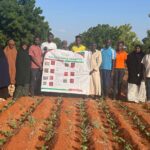
In a major relief for rice farmers in Kirinyaga and neighboring counties, the Government of Kenya has committed to purchase over 5,000 metric tonnes of locally produced rice through the Kenya National Trading Corporation (KNTC). This initiative, valued at approximately Ksh 500 million, follows growing concerns about the impact of rice imports on the sale and pricing of local harvests.
The decision was reached during a high-level stakeholder meeting held on May 29, 2025, at the Mwea Rice Growers Multipurpose Cooperative Society offices. The meeting brought together senior officials, including Agriculture and Food Authority (AFA) Director General Dr. Bruno Linyiru, Food Crops Directorate Director Mr. Calistus Kundu, KNTC Managing Director Ms. Lucy Anangwe, and the leadership of the Mwea Cooperative, including Chairman Mr. Ndege Muriuki and Manager Mr. Antony Waweru.
A Strategic Mop-Up to Support Local Farmers
To stabilize the market and protect the livelihoods of over 8,500 rice farmers in the region, the KNTC will buy all available stocks of locally grown rice. The Cooperative will receive full payment within one month of delivery—a significant improvement from the long-standing delays that previously affected farmers’ cash flow and planning.
This move follows sustained pressure from farmer groups, who had called for a temporary halt on rice imports to allow the market to absorb locally harvested rice. Responding to these concerns, Cabinet Secretary for Agriculture and Livestock Development, Senator Mutahi Kagwe, directed the AFA and KNTC to engage local stakeholders and deliver a lasting solution.
Rice Deficit Persists Despite Local Production Growth
According to AFA Director General Dr. Linyiru, Kenya produced 191,000 metric tonnes of milled rice in the 2024/25 fiscal year—sufficient for only two months, given the national monthly requirement of around 100,000 metric tonnes. From January to date, Kenya has imported 94,000 metric tonnes of rice, underscoring the gap that still exists between local supply and national consumption needs.
“While imports remain necessary in the short term, the Ministry is prioritizing efforts to strengthen domestic production,” said Dr. Linyiru.
Building Long-Term Rice Self-Sufficiency
To reduce dependency on imported rice, the Ministry of Agriculture and its partners are focusing on several strategies. These include:
Expanding irrigation schemes to increase acreage under rice cultivation
Promoting high-yielding rice varieties
Encouraging upland rice farming in areas outside traditional irrigation zones
The government aims to cut rice imports by 50% in the coming years. If successful, these measures could empower more farmers, increase productivity, and significantly enhance national food security.
Addressing Malpractices in the Market
While supporting the government’s interventions, the Mwea Cooperative leadership raised concerns about unscrupulous retailers who package imported rice and sell it as locally grown. The AFA has committed to work closely with the Kenya Bureau of Standards (KEBS) to investigate and curb such deceptive practices, which harm both consumers and honest farmers.
Infrastructure and Policy Support Appreciated
Farmers in the region have also acknowledged the government’s role in constructing Thiba Dam, which now enables up to three planting seasons annually. This has directly contributed to improved yields and greater reliability in rice production.
A Commitment to Agricultural Resilience
The Ministry of Agriculture has reiterated its commitment to supporting Kenyan farmers by reinforcing local value chains and ensuring timely payments. The rice mop-up is part of the broader agenda to promote national food security through sustainable and inclusive agricultural development.
As the government works to align policy and practice, stakeholders are hopeful that this initiative marks a turning point for the rice sector in Kenya.
https://farmerstrend.co.ke/farming-news/government-commits-ksh-500-million-to-buy-local-rice-from-mwea-farmers/https://farmerstrend.co.ke/wp-content/uploads/2025/05/EC41bR2W4AAQw9K-1024x683.jpghttps://farmerstrend.co.ke/wp-content/uploads/2025/05/EC41bR2W4AAQw9K-150x150.jpgFarming NewsRice FarmingAgriculture and Food Authority Kenya,food security Kenya,Kenya rice production,Kenyan rice market,Kirinyaga rice farmers,KNTC rice purchase,local rice market Kenya,Ministry of Agriculture Kenya,Mwea rice farmers,rice cooperative Kenya,rice farming support Kenya,rice importation Kenya,rice mop up Kenya,rice policy Kenya,Thiba Dam irrigationThe Kenyan government allocates Ksh 500 million to purchase 5,000MT of rice from Mwea farmers, aiming to support local production and reduce reliance on imports.In a major relief for rice farmers in Kirinyaga and neighboring counties, the Government of Kenya has committed to purchase over 5,000 metric tonnes of...FarmersTrendjohn doefarmerstrend@gmail.comAdministratorFarmers Trend Ltd.








Leave a Reply