Navigating the Looming Crisis: A Strategic Blueprint to Address Kenya’s Avocado Shortages and Industry Challenges
The Kenya avocado shortage is no longer a looming threat, it is a present-day crisis threatening the nation’s status as Africa’s top producer. Soaring demand from over 60 processing plants, devastating Persia mite infestations, and systemic issues like premature harvesting have created a perfect storm. This in-depth analysis outlines the actionable, six-pillar strategy essential to navigate this emergency and secure a sustainable future for the sector.
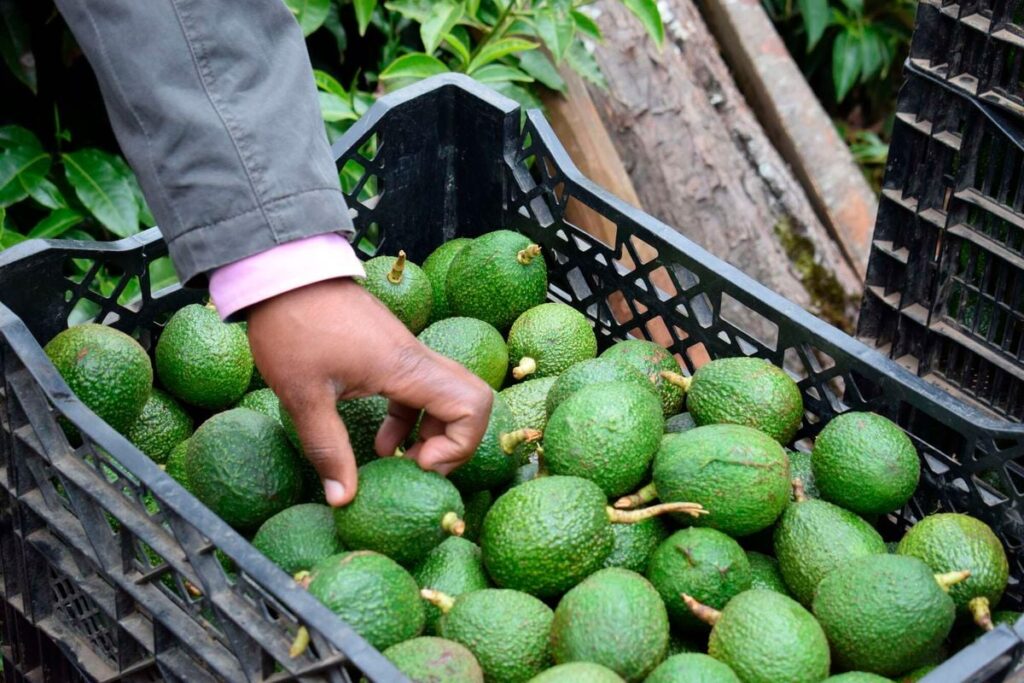
The Impending Supply Crisis: Demand Outpacing Mature Orchards
The scale of Kenya’s avocado processing ambition underscores both its economic potential and its most pressing vulnerability. The nation now hosts over 60 oil processing plants, a sector that alone consumes a staggering 2,400 metric tonnes (MT) of fruit daily to operate at capacity. When combined with the robust fresh export market and growing local consumption, total sector demand is rapidly approaching a colossal 600,000 MT per annum.
This dramatic demand growth reveals the core paradox of the current boom: the nation lacks sufficient mature, high-quality orchards to meet this need. The explosive growth in processing infrastructure has not been matched by a proportional, well-planned expansion in avocado farming. This supply-demand chasm creates a destructive vacuum, fostering malpractices that threaten the industry’s integrity. It intensifies pressure on the existing supply chain, inadvertently incentivizes premature harvesting, and leaves the entire sector acutely vulnerable to production shocks.
Agronomic Threats: Persia Mites and the Plague of Premature Harvesting
Addressing Kenya’s avocado shortages and industry challenges requires confronting severe on-farm threats head-on. The alarming rise in Persia mite (Oligonychus perseae) infestations represents a direct assault on yield and quality. These pervasive pests cause significant scarring and damage to fruit, leading to substantial crop losses, increased rejection rates, and higher production costs for farmers battling the outbreaks.
Perhaps more insidious is the growing trend of premature harvesting, fueled by a climate of fear and market impatience. Driven by the pervasive threat of theft and the tempting offer of quick cash from unregulated brokers, farmers are often compelled to pick fruit before it reaches physiological maturity. This practice is devastating for the entire value chain:
- Compromised Quality: Immature fruit has low oil content, poor flavor, and fails to ripen properly, damaging Kenya’s hard-earned reputation in premium export markets.
- Economic Loss: It results in higher shrinkage and rejection at packhouses, eroding farmer income and processor efficiency.
- Long-Term Orchard Damage: Trees stressed by premature fruit removal can suffer reduced yields in subsequent seasons, perpetuating the cycle of shortage.
Foundational Reforms: A Six-Pillar Strategy for Sustainability
To genuinely address Kenya’s avocado shortages and industry challenges, the sector must institutionalize a set of non-negotiable, foundational reforms. This six-pillar strategy provides the framework for a sustainable future.
1. Universal Enforcement of Maturity Indices
The mandatory use of standardized dry matter testing must become universal. Ensuring only ripe fruit is harvested is the most critical step to guarantee oil quality, shelf life, and consumer trust. This requires investment in handheld meters and training for inspectors at all aggregation points.
2. Mandatory and Respected Seasonal Closures
Government-mandated seasonal closures, as advised by the Agriculture and Food Authority (AFA), are essential for crop physiology, not bureaucracy. These closures allow for proper on-tree maturation, ensure peak quality, and regulate market supply to prevent gluts of inferior fruit. Their enforcement must be transparent and collaborative.
3. Digital Orchard Registration and Traceability
A nationwide, digital orchard registration and traceability system is vital to combat theft, enhance transparency, and enable data-driven planning. According to a report by the Food and Agriculture Organization (FAO), traceability systems are key for market access and sustainability in modern horticulture. Mapping orchard location, variety, and age allows for accurate yield forecasting and smarter resource allocation.
4. Strategic Licensing to Balance Supply & Demand
The licensing of exporters and processors must be strategically aligned with verified national production capacity. This rational regulation prevents an unsustainable scramble for limited raw fruit, which is a root cause of exploitative sourcing and quality compromise.
5. Incentivizing Expansion into New Frontiers
Targeted incentives for new orchard establishment in high-potential regions like the North Rift, South Rift, and Western Kenya are crucial for long-term supply expansion. Support could include subsidized certified seedlings, irrigation infrastructure, or land preparation grants.
6. Strengthening the Nursery Sector
Partnering with certified nurseries to provide affordable, high-quality seedlings of approved varieties (like Hass and Fuerte) ensures the next generation of orchards is productive, pest-resilient, and market-ready.
Eliminating Rogue Elements: The Imperative to Curb Unregistered Brokers
A major destabilizing force in the current ecosystem is the pervasive activity of unregistered brokers. These informal intermediaries exploit the supply gap, often purchasing immature fruit at low prices. They offer immediate cash, appealing to farmers’ short-term needs while completely disregarding the long-term effects on production and market stability. Their elimination from the supply chain is not just a regulatory task but a moral imperative to protect farmer welfare and ensure fair market practices. A coordinated crackdown, coupled with the promotion of formal buying channels through licensed agents and cooperatives, is essential.
Collaborative Action: The Unified Path Forward for Stakeholders
Addressing Kenya’s avocado shortages and industry challenges cannot be achieved in silos. It demands unprecedented collaboration between all key stakeholders:
Processors & Exporters: Leading firms like Olivado, Kakuzi Plc, Keitt Exporters, Avopro EPZ, and Crofts Limited must champion ethical sourcing, support farmer training, and invest in traceability.
Policymakers: The Agriculture and Food Authority (AFA) and County Governments must enforce regulations, facilitate pest management programs with KEPhIS, and create an enabling environment for investment.
Farmers & Cooperatives: Embracing professional orchard management, adhering to maturity indices, and selling through formal channels are key.
Critical joint initiatives must include:
- Establishing professionally managed Aggregation Centers to ensure quality bulking and fair pricing.
- Launching coordinated pest management campaigns against Persia mites.
- Developing and funding incentive schemes for new orchard development and certified seedling access.
Conclusion: A Call to Action for a Sustainable Avocado Future
The challenges facing Kenya’s avocado sector—the looming shortages, pest pressures, and systemic inefficiencies—are significant, but they are not insurmountable. The blueprint for success is clear. By implementing consistent maturity testing, enforcing seasonal closures, establishing traceability, strategically licensing operators, incentivizing expansion, and purging the supply chain of bad actors, Kenya can navigate this crisis.
The time for deliberation is over; the time for concerted action is now. Let us work together—farmers, processors, exporters, and policymakers—to secure the foundations of this vital industry. By addressing these avocado shortages and industry challenges with courage and collaboration, we can transform this period of risk into an era of unprecedented, sustainable growth, ensuring that Kenya remains a global avocado powerhouse for generations to come.
https://farmerstrend.co.ke/trending/kenya-avocado-shortage-crisis-reforms/https://farmerstrend.co.ke/wp-content/uploads/2025/12/G2-wI7BbwAEtbZt-1024x683.jpghttps://farmerstrend.co.ke/wp-content/uploads/2025/12/G2-wI7BbwAEtbZt-150x150.jpg# TrendingAvocado FarmingThe Kenya avocado shortage is no longer a looming threat, it is a present-day crisis threatening the nation's status as Africa's top producer. Soaring demand from over 60 processing plants, devastating Persia mite infestations, and systemic issues like premature harvesting have created a perfect storm. This in-depth analysis outlines...FarmersTrendjohn doefarmerstrend@gmail.comAdministratorFarmers Trend Ltd.










Leave a Reply