Persea Mite: A New Major Threat to Kenya’s Avocado Industry
Persea mite is threatening avocado farming in Kenya with up to 20% yield losses. Learn how the pest spreads, its impact on exports, and the urgent measures needed to protect farmers and the avocado industry.
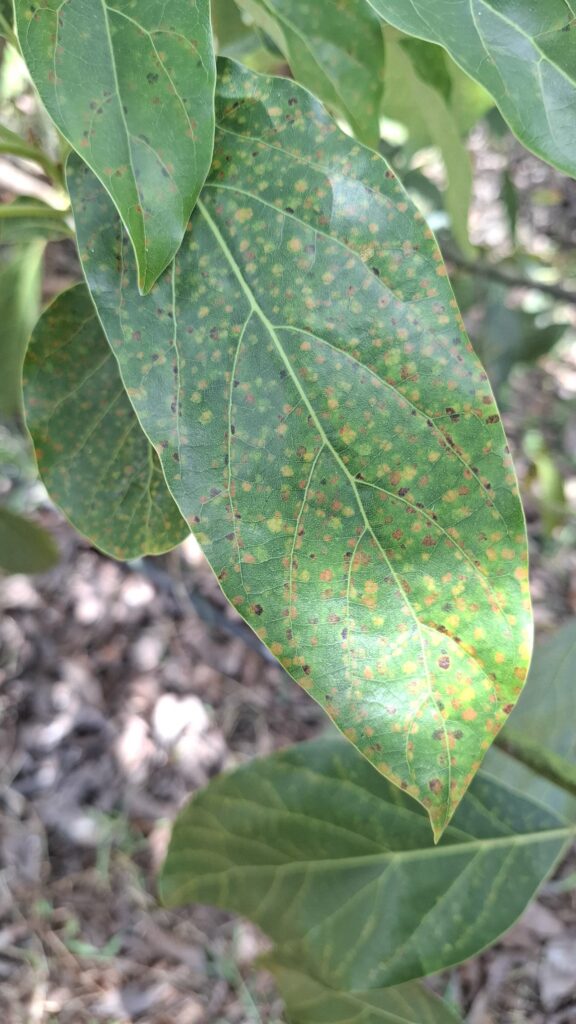
Kenya’s avocado sector, one of the country’s fastest-growing export earners, is facing a new enemy. Farmers across Nakuru, Murang’a, Kiambu, and Kisii counties are reporting heavy damage in their orchards caused by the Persea mite (Oligonychus perseae), a pest previously unknown in East Africa.
The pest was first confirmed in Kenya in late 2023 in parts of Nakuru County. Within months, it had spread to key avocado zones, raising alarm among farmers, exporters, and regulators. The Ministry of Agriculture and the Kenya Plant Health Inspectorate Service (KEPHIS) have acknowledged the problem and are under pressure to coordinate a national response.
What is Persea Mite?
Persea mite is native to Mexico and Central America, the global epicenter of avocado production. It has also spread to countries such as the United States (California), Spain, Israel, and Chile, where it has been a persistent challenge.
The mite typically arrives in new regions through contaminated nursery stock or imported plant material. In Kenya’s case, experts suspect it entered via unregulated seedlings or grafted plants that bypassed quarantine systems. This raises concerns about the country’s biosecurity measures and the enforcement of phytosanitary rules at borders.
How the Pest Attacks Avocado
Persea mite lives and feeds beneath small webs on the underside of avocado leaves. Heavy infestations, sometimes reaching more than 250 mites per leaf, cause scarring, leaf drop, and defoliation. This reduces photosynthesis and exposes fruit to direct sunlight.
The result is sun-scorched avocados, reduced fruit size, and long-term weakening of trees. Yields can drop by 15–20 percent in heavily infested orchards. Exporters have warned that the loss of quality fruit could hit Kenya’s reputation in competitive markets such as Europe and the Middle East, where strict cosmetic standards already put farmers under pressure.
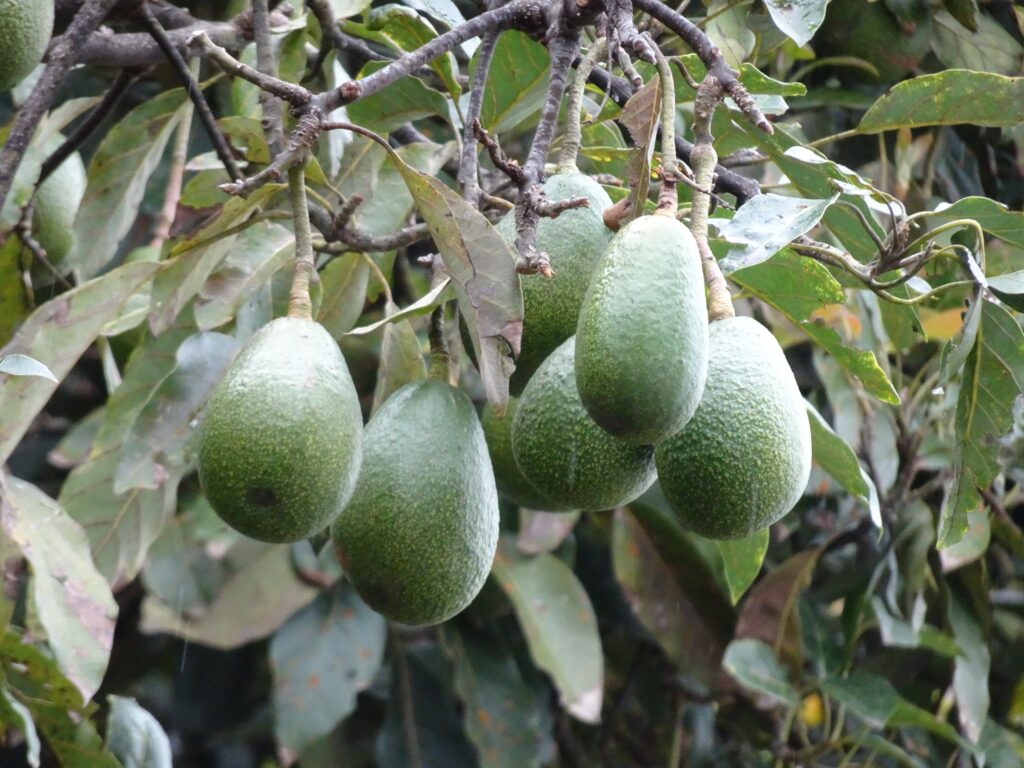
A Blow to an Industry Under Strain
Kenya is Africa’s leading avocado exporter, shipping about 80,000 metric tonnes annually, with earnings surpassing Sh19 billion in 2023. But the sector has been under pressure.
- In 2024, production fell by 11 percent, largely due to drought.
- False codling moth, another pest, has been flagged by European Union regulators as a quarantine concern.
- Price fluctuations in global markets have reduced farmer earnings.
The arrival of Persea mite compounds these problems. For smallholder farmers, who make up 70 percent of Kenya’s avocado growers, a 20 percent drop in yields could mean the difference between profit and loss.
Lessons from Tuta Absoluta
Kenya has faced similar threats before. The invasion of Tuta absoluta in 2014 devastated tomato farming, with some farmers losing 80–100 percent of their crop. At the time, lack of preparedness allowed the pest to spread rapidly, costing farmers billions and forcing reliance on costly chemical controls.
Agronomists warn that unless Kenya responds quickly, Persea mite could follow the same path.
Farmers’ Concerns
Farmers in Murang’a and Kiambu, the country’s top avocado-producing regions, have expressed worry about the pest’s spread. “We are already struggling with lower prices, yet now even the little we harvest may not meet export quality,” said a farmer in Kandara.
Others say they are confused by conflicting advice on control. While some agrochemical dealers push miticides, others advise integrated pest management (IPM) approaches combining resistant varieties, natural predators, and careful chemical use.
What Needs to Be Done
Experts are calling for a coordinated national management plan. Key measures include:
- Surveillance and mapping: Establishing how far the mite has spread across avocado-growing regions.
- Farmer training: Building awareness on how to identify early infestations and adopt proper control measures.
- Strengthening nurseries: Enforcing stricter quarantine rules for avocado seedlings and grafts to stop further spread.
- Research and biological control: Investing in natural predator research, such as predatory mites, which have been effective in California and Spain.
- Export protection: Working with exporters to ensure affected fruit does not damage Kenya’s reputation abroad.
Government Response
Interior Cabinet Secretary Kipchumba Murkomen recently highlighted avocado theft as a growing challenge due to rising profitability. While the government is focused on protecting harvests from criminal syndicates, agricultural experts argue that pest threats such as Persea mite require equal attention if farmers are to fully benefit from the avocado boom.
The Ministry of Agriculture has confirmed that discussions are ongoing with KEPHIS, county governments, and private stakeholders to roll out awareness campaigns. But farmers warn that unless action comes quickly, the pest will spread faster than the bureaucracy moves.
A Race Against Time
Kenya’s avocado sector has been a rare bright spot in agriculture, attracting foreign investment and creating jobs. In counties like Murang’a, avocados have overtaken coffee as the top cash crop. Protecting this industry is therefore not only about farmer incomes, but also about the country’s export earnings and rural livelihoods.
Persea mite is the latest test for a sector already under strain. Whether Kenya treats it with urgency or allows it to grow into a full-blown crisis will determine if farmers continue reaping the fruits of an industry that has become central to the country’s economy.
https://farmerstrend.co.ke/trending/persea-mite-a-new-major-threat-to-kenyas-avocado-industry/https://farmerstrend.co.ke/wp-content/uploads/2025/08/Gt4tqkJWkAAJF6l-576x1024.jpghttps://farmerstrend.co.ke/wp-content/uploads/2025/08/Gt4tqkJWkAAJF6l-150x150.jpg# TrendingDiseasesIn FruitsPersea mite is threatening avocado farming in Kenya with up to 20% yield losses. Learn how the pest spreads, its impact on exports, and the urgent measures needed to protect farmers and the avocado industry.Kenya’s avocado sector, one of the country’s fastest-growing export earners, is facing a new enemy....FarmersTrendjohn doefarmerstrend@gmail.comAdministratorFarmers Trend Ltd.










Leave a Reply