Women in Agriculture: How Female Farmers Are Driving Food Security and Transforming Rural Economies
Women in agriculture produce much of the world’s food yet face significant barriers. Discover how female farmers are improving food security, increasing agricultural productivity and transforming rural economies.
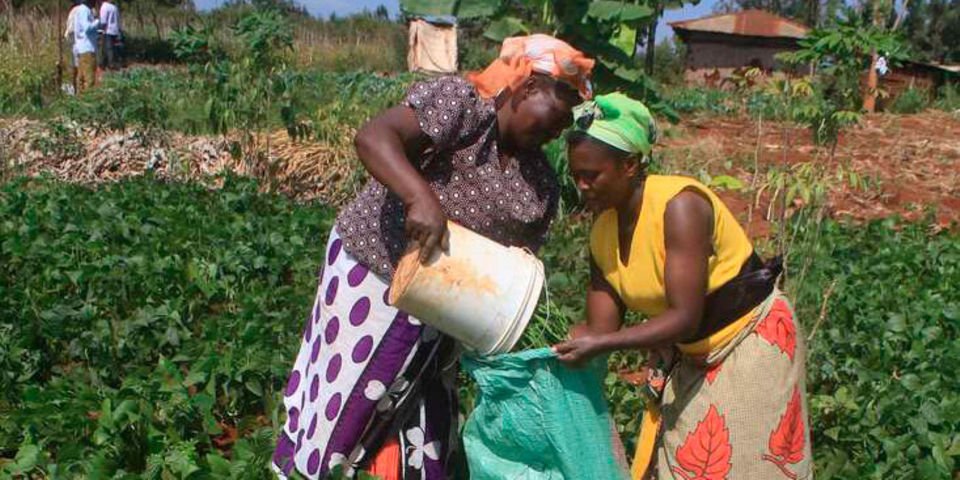
Women in agriculture are the backbone of food production and rural development across the world. From planting and harvesting crops to managing livestock and agribusinesses, millions of women play a vital role in feeding families, strengthening local economies and supporting national food security. Yet despite their enormous contribution, many continue to face barriers to land ownership, finance, technology, education and agricultural markets.
According to the Food and Agriculture Organization (FAO), women make up approximately 43 per cent of the global agricultural labour force, with the figure rising to 70 per cent in some developing countries. In Africa, smallholder farmers produce about 80 per cent of the continent’s food, and women account for a significant share of this workforce.
Despite producing much of the world’s food, women farmers continue to own less land, have limited access to agricultural credit and often receive fewer extension services than their male counterparts. Closing these gaps has become one of the most important priorities for governments, development partners and agricultural organizations seeking to improve food security and reduce rural poverty.
Women Are the Backbone of African Agriculture
Across Africa, women are involved in nearly every stage of agricultural production. They prepare land, plant crops, weed fields, harvest produce, care for livestock, process food and sell agricultural products in local markets.
In many rural households, women are responsible for both farm work and unpaid household responsibilities, making them central to family livelihoods and community resilience.
However, their contributions have historically been overlooked. For generations, farming has often been portrayed as a male profession, with women viewed merely as helpers rather than farm owners or decision-makers. This perception has limited women’s access to productive resources and leadership opportunities within the agricultural sector.
Today, that narrative is steadily changing.
Female Farmers Are Breaking Long-Standing Barriers
More women than ever are managing farms, leading cooperatives, running agribusinesses and adopting modern farming technologies.
Across Kenya and many African countries, female farmers are embracing commercial agriculture, climate-smart farming, greenhouse production, dairy farming, poultry, aquaculture and horticulture. Many have transformed farming from a subsistence activity into profitable enterprises that support their families and create employment within their communities.
The growing visibility of successful women farmers has also helped challenge outdated stereotypes about who can succeed in agriculture.
Media platforms, agricultural organizations and farmer-focused publications are increasingly highlighting women who have built thriving agricultural businesses through innovation, determination and entrepreneurship.
These success stories continue to inspire a new generation of young women to view agriculture as a rewarding career rather than a last resort.
Agriculture Is Becoming More Inclusive
Modern agriculture is no longer driven solely by physical labour.
Technology, mechanization, digital agriculture and improved farming practices have significantly transformed the sector, making it more accessible to women and young people.
Today’s successful farmer is increasingly expected to understand:
- Precision agriculture
- Climate-smart farming
- Farm business management
- Digital marketing
- Record keeping
- Irrigation technologies
- Value addition
- Agricultural finance
- Market intelligence
Mechanized equipment, automated irrigation systems, improved livestock technologies and digital advisory services have reduced many of the physical barriers that once discouraged women from entering commercial agriculture.
At the same time, agricultural training institutions, universities and extension programmes are equipping more women with the technical knowledge needed to compete successfully in modern agriculture.
Women Are Driving Agricultural Entrepreneurship
Women are increasingly moving beyond primary production into agribusiness and value addition.
Many now operate successful enterprises in:
- Dairy processing
- Poultry production
- Fish farming
- Beekeeping
- Seed production
- Greenhouse farming
- Horticulture exports
- Coffee processing
- Tea value addition
- Food processing
- Agricultural consulting
- Digital agriculture services
Their participation across the agricultural value chain is generating employment, improving household incomes and strengthening rural economies.
Women’s growing involvement in agricultural marketing has also enabled many farming households to secure better prices and access new domestic and international markets.
Challenges Facing Women in Agriculture
Despite significant progress, women farmers continue to face structural challenges that limit productivity and profitability.
Some of the biggest barriers include:
- Limited land ownership and inheritance rights
- Poor access to affordable agricultural credit
- Limited access to quality seeds and farm inputs
- Inadequate agricultural extension services
- Lower adoption of agricultural technologies
- Climate change and unpredictable weather
- Limited market access
- High production costs
- Cultural and social barriers
- Underrepresentation in agricultural leadership and policy-making
These constraints reduce productivity and prevent many women from fully participating in commercial agriculture.
According to international studies, closing the gender gap in access to productive resources could significantly increase agricultural output and reduce hunger globally.
Investing in Women Farmers Benefits Entire Communities
Research consistently shows that investing in women farmers delivers benefits far beyond individual households.
When women have equal access to land, finance, technology and training, they are more likely to:
- Increase farm productivity
- Improve household nutrition
- Invest in children’s education
- Strengthen food security
- Diversify household incomes
- Create employment opportunities
- Improve environmental stewardship
- Build more resilient farming systems
These outcomes contribute directly to national economic growth and sustainable rural development.
The Future of Women in Agriculture
The future of agriculture will increasingly depend on innovation, entrepreneurship and climate resilience—areas where women are already making significant contributions.
Governments, financial institutions, research organizations and development partners are expanding programmes aimed at supporting female farmers through access to affordable credit, climate-smart technologies, digital extension services, farmer organizations and agribusiness training.
As these investments continue, women are expected to play an even greater role in transforming agricultural value chains and improving food systems across Africa and beyond.
Conclusion
Women in agriculture are no longer working quietly behind the scenes. They are leading farms, building successful agribusinesses, adopting innovative technologies and transforming rural economies.
While significant challenges remain, the growing recognition of women’s contributions is helping reshape agriculture into a more inclusive and productive sector.
Empowering women farmers through equal access to land, finance, technology, education and markets is not only a matter of gender equality—it is a strategic investment in food security, economic growth and sustainable agricultural development.
As agriculture continues to evolve, women will remain at the heart of feeding the world and building resilient farming communities for generations to come.
https://farmerstrend.co.ke/trending/women-in-agriculture-rural-economies/https://farmerstrend.co.ke/wp-content/uploads/2021/03/women-in-agriculture.jpghttps://farmerstrend.co.ke/wp-content/uploads/2021/03/women-in-agriculture-150x150.jpg# Trendingagricultural productivity,agriculture in kenya statistics,agriculture innovation,Climate-Smart Agriculture,female farmers,Food security,gender equality in agriculture,gender roles in agriculture,Rural development,smallholder farmers,sustainable agriculture,women empowerment in agriculture,women farmers,women in agribusiness,women in agriculture,women in agriculture Africa,women in farming,women in farming africa,women in farming kenya,women-led farmingWomen in agriculture produce much of the world's food yet face significant barriers. Discover how female farmers are improving food security, increasing agricultural productivity and transforming rural economies.Women in agriculture are the backbone of food production and rural development across the world. From planting and harvesting crops to managing...Caro GithaeCaro Githaeluxeglowkenya@gmail.comEditorFarmers Trend Ltd.











Leave a Reply