Kenya Approves 500,000MT Duty-Free Rice Imports to Ease Shortages and Support Farmers
Kenya approves duty-free importation of 500,000MT of rice to address supply shortfalls and stabilize prices, while safeguarding local farmers through guaranteed market support.
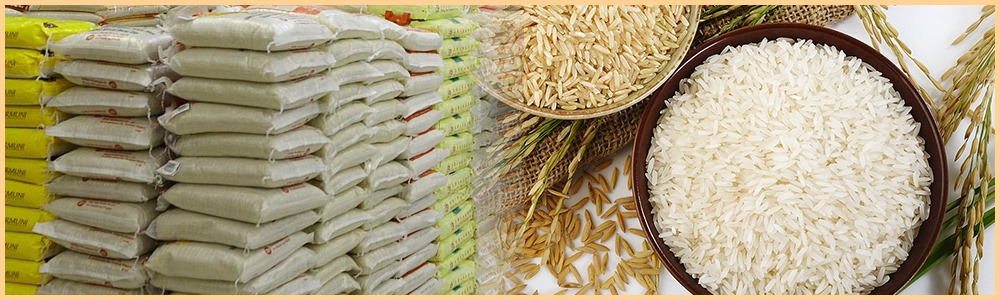
Kenya consumes approximately 1.3 million metric tonnes of rice annually. However, local production only accounts for 264,000 metric tonnes, which is less than 20% of the national demand. The gap has traditionally been filled through imports. However, recent global supply chain disruptions and rising prices have made rice less accessible, particularly for low-income households.
Failure to import rice to cover the current shortfall would result in severe food scarcity or steep price increases—not only for rice but also for related staples like maize flour and wheat products. This domino effect would significantly increase the cost of living, burdening millions of Kenyan families.
To address this, the Cabinet approved the duty-free importation of 500,000 metric tonnes of Grade 1 milled white rice. This decision, passed under Memorandum CAB(25)90 and published in Gazette Notice No. 10533 dated 28th July 2025, is a strategic intervention aimed at stabilizing rice prices, improving national food security, and ensuring affordable access to rice for all Kenyans.
Safeguarding Local Farmers’ Interests
The importation process is designed to protect local farmers. Through the Kenya National Trading Corporation (KNTC), the Government has been procuring rice directly from local farmers, purchasing paddy rice as it is milled. This initiative ensures that Kenyan farmers continue to have a guaranteed market throughout the milling process, shielding them from being disadvantaged by imported rice.
To maintain quality and consumer safety:
Only Grade 1 milled white rice meeting Kenyan and international standards will be allowed.
All rice imports must carry a Certificate of Conformity from the Kenya Bureau of Standards (KEBS).
The duty-free window is time-bound, with all consignments required to arrive on or before 31st December 2025 under strict regulatory oversight.
Rice Production vs Imports — The Numbers
| Year | Local Production (MT) | Imports (MT) | Total (MT) | % Local Production |
|---|---|---|---|---|
| 2022 | 122,045 | 678,088 | 800,133 | 15% |
| 2023 | 150,000 | 922,386 | 1,072,386 | 14% |
| 2024 | 191,067.5 | 742,367 | 933,434.5 | 20.47% |
Expanding Local Production Capacity
Looking ahead, the Government, in collaboration with the Government of Japan, is actively working to expand the Mwea, Ahero, and Bura Irrigation Schemes to increase Kenya’s rice production capacity. This is part of the broader National Rice Development Strategy, which focuses on:
Enhancing irrigation infrastructure
Improving farming inputs
Strengthening structured markets
Promoting value addition to reduce long-term import reliance
This importation is a short-term solution, part of a long-term plan aimed at securing Kenya’s food future, empowering local farmers, and reducing the country’s dependency on rice imports.
https://farmerstrend.co.ke/farming-news/kenya-approves-500000mt-duty-free-rice-imports-to-ease-shortages-and-support-farmers/https://farmerstrend.co.ke/wp-content/uploads/2025/07/Gnv4c1qbwAAfcBm.jpghttps://farmerstrend.co.ke/wp-content/uploads/2025/07/Gnv4c1qbwAAfcBm-150x150.jpgFarming NewsRice ImportsKenya approves duty-free importation of 500,000MT of rice to address supply shortfalls and stabilize prices, while safeguarding local farmers through guaranteed market support.Kenya consumes approximately 1.3 million metric tonnes of rice annually. However, local production only accounts for 264,000 metric tonnes, which is less than 20% of the national...FarmersTrendjohn doefarmerstrend@gmail.comAdministratorFarmers Trend Ltd.

Leave a Reply