Thorn Melon Farming in Kenya 2026 – The Complete Guide to Growing Kiwano for Profit
Thorn Melon Farming in Kenya 2026 – The Complete Guide to Growing Kiwano for Profit
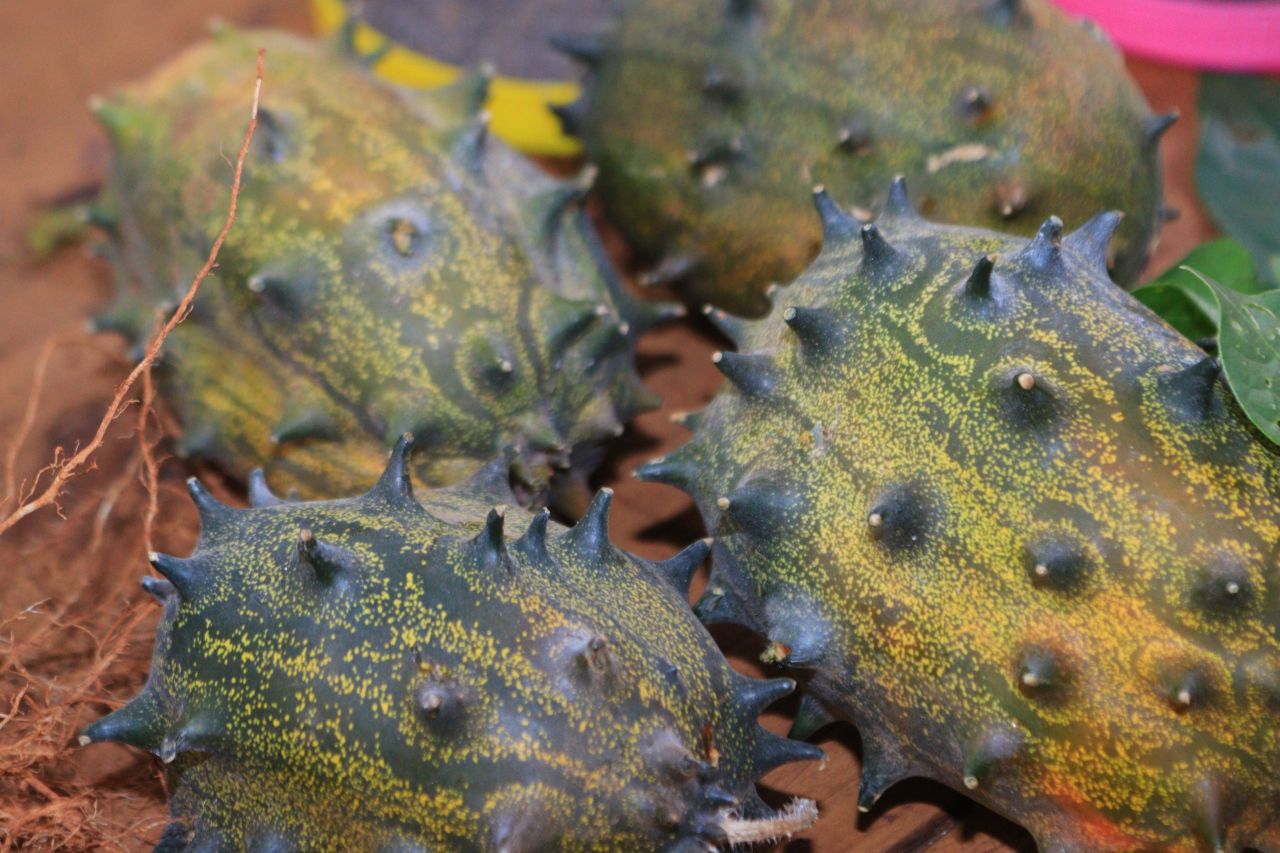
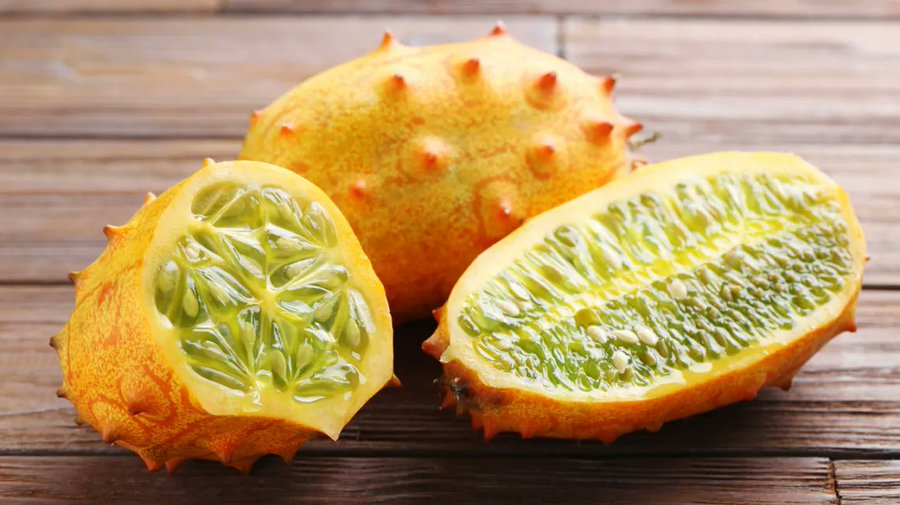
Thorn melon, also known as kiwano or horned melon, is one of the few fruits that thrives in the hot, dry conditions where other crops struggle to survive. Farmers in Makueni, Machakos, Kajiado, and Tharaka Nithi have discovered that this strange looking fruit with orange skin and green jelly inside can turn a profit when maize and beans have failed. The fruit sells for 50 to 80 shillings each in Nairobi’s City Market and supermarkets, which works out to 100 to 150 shillings per kilogram for premium organic grade fruit.
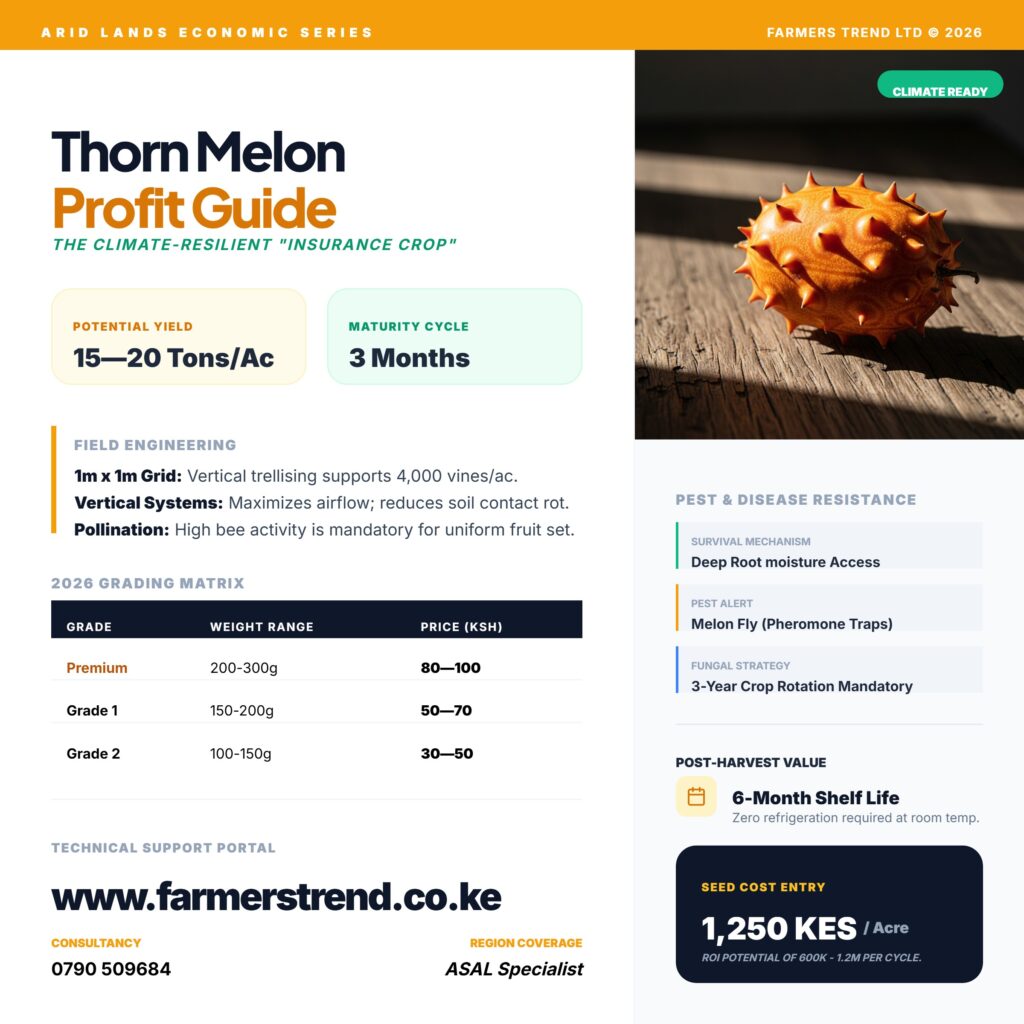
Thorn melon farming in Kenya has been on the rise because the crop is exceptionally fast maturing, with the first fruits ready for harvest in 80 to 110 days after planting, which is about 3 months. A well-managed acre can produce 15 to 20 tons of fruit under intensive field management or high-tunnel greenhouse setups. With farm gate prices of 50 to 100 shillings per fruit, the revenue from one acre can reach 600,000 to 1.2 million shillings in a single season.
This guide by Farmers Trend Ltd covers what you need to know about growing thorn melon for money in Kenya. You will learn which seeds to plant, how to prepare your land, whether to use trellising or let the vines sprawl, how to feed the plants, how to control pests, how to harvest, and how much money you can make. The information comes from farmers in arid areas who are already growing thorn melon successfully and from agricultural research stations.
The 2026 Rise of the Climate-Resilient Kiwano
The recurring droughts in Kenya have pushed farmers to look for crops that can survive with little water, and thorn melon has emerged as an insurance crop for farmers in arid and semi-arid lands. The plant has deep roots that can access moisture from deep in the soil, and the thick skin of the fruit protects it from drying out in the hot sun. When other vegetables have wilted and died, thorn melon continues to produce fruit.
The best areas for thorn melon farming in Kenya are the ASAL counties of Makueni, Machakos, Kajiado, and Tharaka Nithi, where the temperatures are high and the rainfall is low. The crop has also been successfully grown under irrigation in Naivasha and Laikipia, where farmers can control the water supply and produce fruit year-round. The plant is not sensitive to soil type as long as the soil is well drained, and it tolerates a pH range of 6.0 to 7.0.
The market for thorn melon has grown as more people have learned about the fruit’s unique flavor and nutritional benefits. The fruit is used in fruit salads, smoothies, and as a garnish for desserts. Export markets in Europe and the Middle East also buy thorn melon, where it is considered an exotic fruit and sells for premium prices. The fruit has a very long shelf life of up to 6 months without refrigeration, which makes it ideal for export.
| Grade | Color Index | Weight Range | Target Market | Current Price |
|---|---|---|---|---|
| Premium | Deep orange | 200-300g | Export, high-end supermarkets | 80-100 KSh/fruit |
| Grade 1 | Light orange | 150-200g | Local supermarkets | 50-70 KSh/fruit |
| Grade 2 | Yellow-orange | 100-150g | Local markets | 30-50 KSh/fruit |
| Processing | Mixed | Any | Juice processors | 20-30 KSh/fruit |
Genetics and Seed Selection: The 2,500 KSh Seed and the Hybrid Potential
The seed is the most important input in thorn melon farming in Kenya because the quality of the seed determines the uniformity of the fruit, the yield potential, and the market grade that the farmer can achieve. Market grade thorn melon seeds currently average 2,500 shillings per kilogram, with approximately 500 grams required to plant one acre. This means the seed cost per acre is about 1,250 shillings, which is very low compared to other horticultural crops.
The wild landraces that have been grown in Kenya for generations produce smaller fruits with fewer horns and lower juice content, and they are not recommended for commercial production. The improved commercial strains that have been developed through selection produce uniform fruits with prominent horns and high juice content that buyers prefer. These improved seeds are available from companies like East African Seed and Kenya Seed Company.
Some farmers have started using hybrid seeds that produce fruits that are even more uniform and have higher yields, but these seeds are more expensive and may not be available in large quantities. The hybrid seeds also produce plants that are more vigorous and can tolerate higher plant populations, which increases the yield per acre.
When you buy thorn melon seeds, look for seeds that are uniform in size and color, and avoid seeds that are broken or discolored. The seeds should be stored in a cool, dry place until planting because high temperatures and humidity can reduce germination rates.
| Cost Item | Quantity | Unit Price | Total |
|---|---|---|---|
| Thorn melon seeds | 0.5 kg | 2,500 KSh/kg | 1,250 KSh |
| Land preparation | 1 acre | 8,000 KSh | 8,000 KSh |
| Manure (5 tons) | 5,000 kg | 3,000 KSh/ton | 15,000 KSh |
| DAP fertilizer | 50 kg | 130 KSh/kg | 6,500 KSh |
| CAN fertilizer | 50 kg | 90 KSh/kg | 4,500 KSh |
| Drip irrigation system | 1 acre | 60,000 KSh | 60,000 KSh |
| Trellising materials (sisal strings, posts) | 1 acre | 30,000 KSh | 30,000 KSh |
| Mulch materials | 1 acre | 10,000 KSh | 10,000 KSh |
| Labor (planting, trellising) | 20 days | 500 KSh/day | 10,000 KSh |
| Pest control materials | 1 acre | 8,000 KSh | 8,000 KSh |
| Harvest containers | 50 pieces | 200 KSh | 10,000 KSh |
| Total First-Season Investment | 163,250 KSh |
Field Engineering: Trellising vs Sprawl and the 1m x 1m Grid
There are two ways to grow thorn melon in Kenya: you can let the vines sprawl on the ground, or you can train them to grow up trellises. Letting the vines sprawl is cheaper because you do not need to buy trellising materials, but the fruit that touches the ground is more likely to rot, and it is harder to control pests and diseases. The fruit may also develop blemishes from contact with the soil, which reduces its grade and market price.
Vertical trellising using sisal strings or wire has become the standard for commercial thorn melon farming in Kenya because it keeps the fruit off the ground, improves air circulation, and makes it easier to harvest. The fruit grows hanging from the vines, which keeps it clean and reduces the risk of rot. The trellis also allows you to plant the vines closer together, which increases the yield per acre.
The recommended spacing for trellised thorn melon is 1 meter by 1 meter, which gives approximately 4,000 plants per acre. The vines are trained to grow up the strings, and the lateral branches are pruned to keep the plant focused on producing fruit. For sprawling vines, the recommended spacing is 2 meters by 2 meters, which gives approximately 1,000 plants per acre.
The best months to plant thorn melon are August and September to target the high-demand December holiday season, when prices are highest. You can also plant in February to catch the early heat for rapid growth, which will give you a harvest in May or June. With drip irrigation, you can plant at any time of year, but you should avoid planting during the coldest months because the plants grow slowly.
Nutritional Management and Soil Fertility
Thorn melon plants need good nutrition to produce high yields of quality fruit. Before planting, you should have mixed manure into your soil during land preparation, about 5 tons per acre. This manure will feed the plants slowly over the whole season and improve the soil structure.
Apply DAP fertilizer at 50 kilograms per acre at planting. Place the fertilizer in the planting hole or along the planting row, being careful not to let it touch the seeds because it can burn them. The phosphorus in DAP supports root development and early growth.
About 4 weeks after planting, apply CAN fertilizer at 50 kilograms per acre. You do this by sprinkling the fertilizer along the rows, being careful not to let it touch the leaves because it can burn them. Water the field after applying fertilizer so that the nutrients go down to the roots.
Potassium is very important for fruit quality because it makes the fruit sweeter and improves the orange color of the skin. Apply potassium sulphate at 50 kilograms per acre when the flowers appear, and again when the fruit starts to develop. Without enough potassium, the fruit will be small and pale, and they will not sell well.
Check your soil pH before planting because thorn melon likes slightly acidic to neutral soil between pH 6.0 and 7.0. If the pH is too low, add lime several months before planting. If the pH is too high, add sulfur.
Flowering, Pollination, and Fruit Set
Thorn melon plants are monoecious, which means they produce separate male and female flowers on the same plant. The male flowers appear first, followed by the female flowers a week or two later. The female flowers have a small swelling at the base that will become the fruit if it is pollinated.
Bees are the main pollinators of thorn melon, so you should avoid using insecticides during flowering because they will kill the bees. If you do not see many bees in your field, you can hand pollinate by picking a male flower, removing the petals, and rubbing the pollen onto the center of a female flower.
Melon flies are a serious pest that can reduce fruit set because the female flies lay eggs inside the developing fruit, causing the fruit to rot and fall off. The use of pheromone traps has improved fruit set in thorn melon farming in Kenya by trapping the male flies and reducing the population. Place the traps at a density of 4 to 6 traps per acre, and check them weekly.
Integrated Pest and Disease Management
Melon flies are the most destructive pest in thorn melon farming in Kenya because the female flies lay eggs inside the developing fruit, and the maggots feed on the flesh, causing the fruit to rot. Control melon flies with pheromone traps that attract the male flies, and apply protein bait sprays mixed with insecticide when trap catches are high. Remove any infested fruit from the field and destroy it.
Aphids cluster on the undersides of young leaves and growing tips, sucking plant sap and causing the leaves to curl. Heavy aphid infestations can reduce yields and also transmit viruses that stunt plant growth. Control aphids with neem oil or insecticidal soap, sprayed on the undersides of the leaves where the aphids hide.
Spider mites are another pest that can damage thorn melon plants, especially during hot, dry weather. The mites are very small and difficult to see, but they cause the leaves to turn yellow and dry up. Control spider mites with miticides, and rotate between different miticides to prevent resistance. You can also introduce predatory mites that eat spider mites as a biological control.
Fusarium wilt is a fungal disease that causes the plants to wilt and die, and it is very difficult to control once it is in the soil. The fungus enters the plant through the roots and blocks the water conducting vessels, causing the plant to collapse. Prevention is the best cure, so plant your thorn melon in well-drained soil and rotate your crops so that you do not plant thorn melon or other cucurbits in the same field for at least 3 years.
Powdery mildew appears as white powder on the leaves and can reduce plant vigor and yield. Control powdery mildew with sulfur-based fungicides applied at the first sign of infection. Good air circulation from proper spacing and trellising also helps prevent powdery mildew.
Harvesting and Post-Harvest Handling
Thorn melon is a non-climacteric fruit, which means it does not continue to ripen after it is picked. You must wait until the fruit is fully mature before you harvest, because if you pick it too early, it will be sour and not sweet. The fruit is ready to harvest when it has turned from deep green to a light yellowish orange, and the horns have started to soften.
Harvest the fruit by cutting the stem with pruning shears, leaving a short piece of stem attached to the fruit. Do not pull the fruit off the vine because this can damage the plant and the fruit. Place the fruit in single layers in ventilated crates, and do not stack more than 3 layers deep because the fruit at the bottom will get crushed.
Sort the fruit by size, color, and quality, and remove any that are damaged, diseased, or misshapen. For supermarket sales, pack the fruit in clean cartons with cushioning to prevent bruising during transport. For local market sales, bulk packing is acceptable, but you will get lower prices.
Thorn melon has a very long shelf life of up to 6 months without refrigeration, which is one of the reasons it is such a valuable crop. The thick skin protects the fruit from drying out and from pests, and the fruit can be stored at room temperature in a cool, dry place. This long shelf life allows farmers to store their fruit and sell it when prices are highest, rather than having to sell immediately after harvest.
| Yield Level | Fruits per Plant | Total Fruits | Price per Fruit | Revenue | Net Profit |
|---|---|---|---|---|---|
| Low | 15 | 60,000 | 50 | 3,000,000 | 2,836,750 |
| Medium | 20 | 80,000 | 60 | 4,800,000 | 4,636,750 |
| High | 25 | 100,000 | 70 | 7,000,000 | 6,836,750 |
How Much Money You Can Make from Thorn Melon Farming
The first season of growing thorn melon on one acre costs about 163,250 shillings for seeds, land preparation, manure, fertilizer, irrigation, trellising, labor, pest control, and harvest containers. You will get a harvest in 3 to 4 months, and depending on your management, you can get 60,000 to 100,000 fruits per acre.
- If you get 60,000 fruits and sell them at 50 shillings each, you will get 3,000,000 shillings. Your profit will be about 2,836,750 shillings from one season.
- If you get 80,000 fruits and sell them at 60 shillings each, you will get 4,800,000 shillings. Your profit will be about 4,636,750 shillings.
- If you get 100,000 fruits and sell them at 70 shillings each, you will get 7,000,000 shillings. Your profit will be about 6,836,750 shillings.
Because the crop takes only 3 to 4 months from planting to harvest, you can plant two or even three crops per year if you have irrigation. This means your annual profit from thorn melon farming in Kenya can be 2 to 3 times the per season profit.
Next Step for Thorn Melon Farming in Kenya
Thorn melon farming in Kenya is a profitable venture for farmers in arid and semi-arid areas where other crops cannot grow. Market grade seeds cost 2,500 shillings per kilogram, and you need 500 grams to plant one acre, so your seed cost is only 1,250 shillings. A well-managed acre with trellising can produce 60,000 to 100,000 fruits in 3 to 4 months. The fruit sells for 50 to 80 shillings each, and your profit can reach 6.8 million shillings per season.
The best time to plant is August to September to catch the December holiday market, or February to catch the early heat for rapid growth. You should prepare your land, install drip irrigation, build trellises, and test your soil before you plant.
For thorn melon seeds, site checks, and the 2026 Thorn melon farming in Kenya PDF guide, contact agricultural research centers near you. The farmers who started growing thorn melon a few years ago in Makueni and Machakos are now earning millions every season, and their fruit is selling in Nairobi supermarkets. You can do the same. The time to start is now.
https://farmerstrend.co.ke/fruits/thorn-melon-farming/thorn-melon-farming-in-kenya-guide/https://farmerstrend.co.ke/wp-content/uploads/2026/04/GGeAW_eWMAAsUgA.jpghttps://farmerstrend.co.ke/wp-content/uploads/2026/04/GGeAW_eWMAAsUgA-150x150.jpgThorn Melon Farming# TrendingASAL fruit farming Kenya,Cost of thorn melon farming per acre,Fusarium wilt thorn melon,Horned melon farming,Kiwano farming Kenya,Melon fly control thorn melon,Thorn melon farming guide for beginners,Thorn melon farming in Kenya PDF,Thorn melon market price per kg Nairobi,Thorn melon seeds price in Kenya 2026,Thorn melon spacing 1m x 1m,Thorn melon trellising,Thorn melon yield per acreThorn Melon Farming in Kenya 2026 - The Complete Guide to Growing Kiwano for ProfitThorn melon, also known as kiwano or horned melon, is one of the few fruits that thrives in the hot, dry conditions where other crops struggle to survive. Farmers in Makueni, Machakos, Kajiado, and Tharaka...FarmersTrendjohn doefarmerstrend@gmail.comAdministratorFarmers Trend Ltd.

Leave a Reply