Cashew Nut Farming in Kenya: 2026 Complete Profit & Growing Guide
Introduction to Cashew Nut Farming in Kenya
Cashew nut farming in Kenya represents a significant agricultural opportunity, particularly in the country’s coastal and eastern lowland regions. Known for their distinctive shape and rich nutritional value, cashew nuts have both strong local and international markets. This comprehensive guide by Farmers Trend Ltd. addresses every critical question about cashew nut farming in Kenya. You will learn the exact timeline from planting to harvest, detailed profitability calculations per acre, the best growing conditions, and where to source quality planting materials. Whether you are a smallholder in Kilifi or a farmer in an emerging area like Taita Taveta, this guide provides the essential knowledge to build a successful and sustainable cashew nut enterprise.

Understanding the Cashew Tree and Growth Cycle
The first question from most farmers concerns the time investment required. How long does it take to grow cashew nuts? The complete journey from planting a seedling to harvesting commercial quantities requires patience. A more specific question is how many years does it take for a cashew tree to bear fruit? Cashew trees typically begin flowering and produce their first fruits within two to three years after planting. However, these initial yields are usually small.
The trees reach economic production at four to five years of age. Full maturity and maximum yield occur between eight and ten years after planting. This timeline makes cashew nut farming in Kenya a medium to long term investment, similar to other tree crops like macadamia or avocado.
What is the lifespan of a cashew tree? With proper management, a cashew tree can remain productive for thirty to forty years, with some trees continuing to bear nuts beyond this period, though with gradually declining yields. This long productive life means that establishing a cashew orchard is a legacy investment that can provide income for decades.
Profitability Analysis and Market Value
The financial viability of any crop is paramount. How profitable is cashew nuts farming in Kenya? Let us examine the numbers that define this venture. A mature, well managed cashew tree can produce between five and fifteen kilograms of raw nuts annually. Under exceptional conditions with superior varieties and management, yields can reach twenty kilograms per tree.
To understand farm level profitability, we must consider plant density. With recommended spacing of ten meters by ten meters, one acre accommodates approximately forty to fifty trees. Therefore, the production per acre ranges from two hundred to seven hundred fifty kilograms of raw cashew nuts. Some intensive farming systems use closer spacing, increasing tree count but requiring more meticulous management.
Now, let us address market value. How much is 1kg of cashew nuts in Kenya? The price of raw, unshelled cashew nuts at the farm gate fluctuates but generally ranges from one hundred to two hundred Kenya Shillings per kilogram, depending on quality, season, and buyer. Processed, shelled cashew kernels command significantly higher prices, from one thousand to two thousand Kenya Shillings per kilogram in retail markets. This price difference highlights the substantial value addition potential in processing.
The cost of 1 kg of cashews in processed form is high due to the labour intensive shelling process and the fact that the shell constitutes about seventy percent of the raw nut’s weight. This explains why cashews are expensive compared to other nuts.
Calculating cashew nut farming profit requires a full cost analysis. Establishment costs for one acre over the first three non productive years, including seedlings, land preparation, labour, and basic maintenance, typically range from fifty thousand to one hundred thousand Kenya Shillings. Annual production costs once the orchard bears fruit are relatively low, as cashew trees are hardy and require fewer inputs than many annual crops.
Using conservative averages, an acre with forty trees producing eight kilograms each yields three hundred twenty kilograms. At one hundred fifty Shillings per kilogram, annual revenue is forty eight thousand Shillings. As trees mature and yields increase, this revenue can grow substantially. When farmers ask which crop has the highest profit per acre in Kenya, mature cashew orchards certainly rank among the top perennial crops, especially when the long productive lifespan is considered.
Primary Growing Regions in Kenya
Cashew nut farming in Kenya is geographically specific due to the tree’s climatic requirements. Where do cashew nuts grow in Kenya? The traditional cashew nut producing counties include Kilifi, Kwale, Lamu, Tana River, and Tharaka Nithi. These coastal and eastern lowland regions provide the ideal warm, tropical climate that cashew trees require.
Expansion is occurring into emerging areas with similar climates, such as Taita Taveta and Makueni counties. Successful cultivation depends more on specific microclimatic conditions than county boundaries. The key is providing the right combination of temperature, rainfall, and soil conditions.
Ideal Ecological Conditions for Success
Understanding the specific environmental needs of cashew trees is fundamental for successful cashew nut farming in Kenya.
What climate is best for cashews? Cashew trees thrive in hot, tropical climates with well defined wet and dry seasons. They require temperatures between twenty and thirty five degrees Celsius year round. Frost is fatal to cashew trees, which eliminates high altitude areas from consideration. The trees need plenty of sunlight and do not tolerate shading.
Rainfall requirements are moderate but specific. Do cashews need a lot of water to grow? They require an annual rainfall of eight hundred to two thousand millimeters, but with a distinct dry period of three to five months for flowering and fruit set. Excessive rainfall during flowering reduces pollination and nut set. The trees are drought tolerant once established, thanks to their deep taproot system, but adequate moisture during nut development is crucial for good yields.
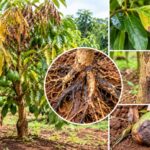
Soil requirements are flexible but important. Which soil is more suitable for growing cashew nuts? Cashew trees adapt to various soil types but perform best in deep, well drained sandy loam soils. They tolerate poor, lateritic, and acidic soils better than many fruit trees. The ideal soil pH ranges from 5.5 to 6.5. Good drainage is critical, as cashew trees cannot tolerate waterlogged conditions. The deep taproot allows them to access nutrients and moisture from lower soil layers, making them suitable for marginal lands where other crops might fail.
Complete Step by Step Planting Guide
Establishing a successful cashew orchard requires careful planning and execution. Here is a practical guide for cashew nut farming in Kenya.
Begin by sourcing quality planting material. Farmers can obtain certified, high yielding cashew nut seedlings from reputable suppliers like Farmers Trend Limited, which operates nurseries and an online virtual agrovet platform for convenient access. Starting with grafted seedlings of improved varieties ensures earlier fruiting, higher yields, and better nut quality compared to trees grown from seed.
Land preparation should commence well before the rainy season. Clear the field of all vegetation. Cashew trees have extensive root systems, so deep ploughing to at least sixty centimeters is beneficial. Mark the planting sites according to your chosen spacing.
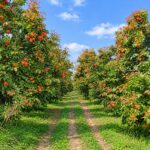
Spacing decisions affect long term orchard management. For most Kenyan conditions, a spacing of ten meters by ten meters is recommended, giving a plant population per acre of approximately forty four trees. This wide spacing accommodates the tree’s mature canopy spread of twelve to fifteen meters and allows for intercropping during the early years. Some intensive systems use eight by eight meter spacing, increasing tree count to about seventy per acre, but this requires more aggressive pruning to maintain light penetration and air circulation.
The hole size for planting is important for early root establishment. Dig planting holes at least sixty centimeters in diameter and sixty centimeters deep. Mix the topsoil with ten to fifteen kilograms of well rotted manure or compost and one hundred grams of Diammonium Phosphate (DAP) fertilizer. Refill the hole with this mixture and let it settle for at least two weeks before planting.
Plant at the beginning of the long rains to give seedlings the best start. Remove the seedling carefully from its container to avoid disturbing the root ball. Place it in the centre of the prepared hole at the same depth it was in the nursery. Backfill with soil, firm gently around the base, and water thoroughly. Apply mulch around the base to conserve moisture and suppress weeds. Staking may be necessary in windy areas to keep young trees upright.

Ongoing Orchard Management
Successful cashew nut farming in Kenya requires consistent management practices, especially during the first few critical years.

Water management is crucial for young trees. Water seedlings weekly during the first dry season after planting. Once established, cashew trees are drought tolerant, but supplemental irrigation during extended dry periods, especially during flowering and nut development, significantly improves yield. Drip irrigation is efficient for mature orchards.
Weed control ensures young trees do not compete for resources. Maintain a weed free circle of at least one meter diameter around each tree for the first three years. Manual weeding is preferred near young trees to avoid root damage from machinery or herbicides.
Fertilization supports growth and production. Apply organic manure annually around the drip line of each tree. Supplemental mineral fertilization with nitrogen, phosphorus, and potassium, based on soil test recommendations, boosts growth and yield. Young trees benefit from more frequent, lighter applications, while mature trees do well with one or two applications per year.
Pruning shapes the tree for easier management and harvesting. Train young trees to develop a strong framework with three to four main branches. Remove dead, diseased, or crossing branches. Maintain an open canopy structure to allow sunlight penetration and air circulation, which reduces disease incidence. Pruning is best done after harvest or during the dry season.
Pollination occurs naturally through insects, particularly bees. Having bee colonies near your cashew orchard can improve pollination and nut set. Cashew trees are predominantly cross pollinated, so having multiple trees of different varieties or from different genetic sources improves fruit set.
Harvesting and Post Harvest Processing
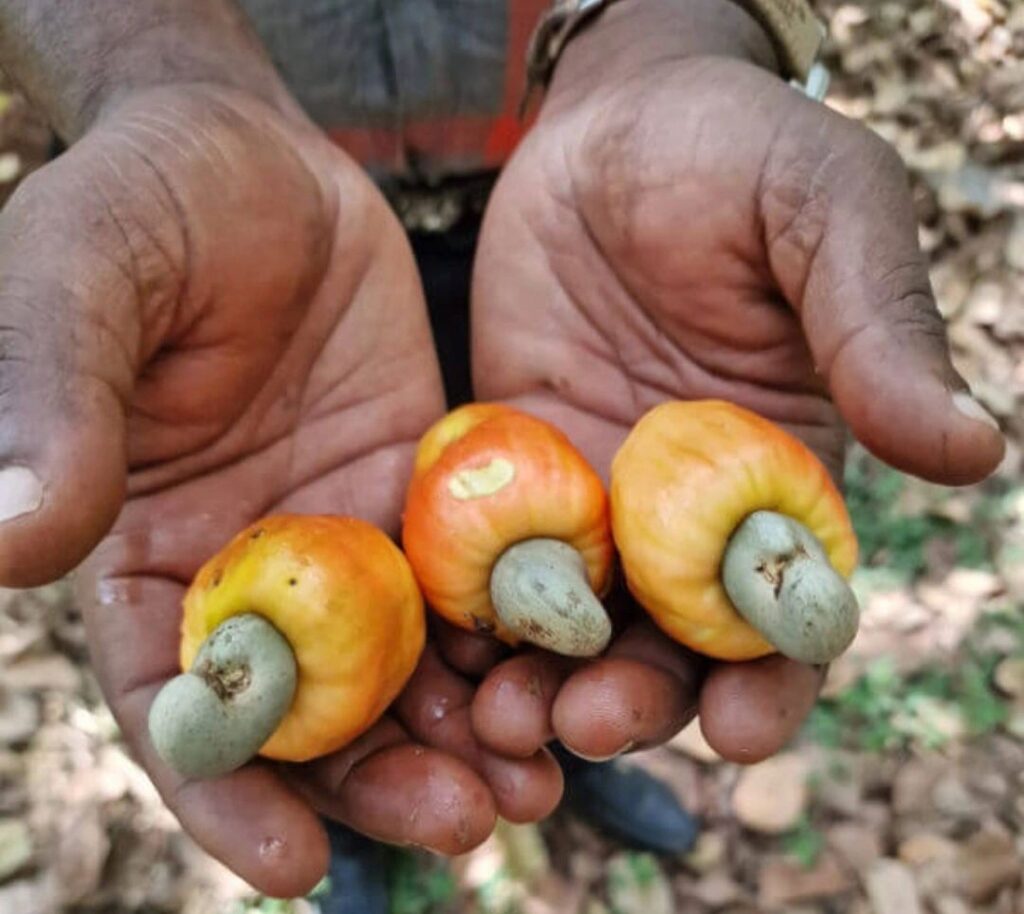
Harvesting cashew nuts is a specialized activity that answers the question of why are cashews difficult to harvest. The challenge stems from the structure of the cashew fruit. The nut grows outside a fleshy false fruit called the cashew apple. Each apple bears a single nut at its end. Harvest involves collecting the apples with nuts attached.
The cashew apple ripens before the nut, turning yellow, red, or pink. The nut itself is mature when the apple is fully coloured and the nut shell turns grey. Harvest by gently twisting the apple and nut from the tree. Handle carefully to avoid damaging the delicate apple, which can be processed into juice, jam, or fermented products.
After harvest, separate the nut from the apple immediately to prevent moisture and oil migration that can spoil the kernel. The raw nuts must then be dried thoroughly to reduce moisture content to eight to ten percent for safe storage. Sun drying on clean surfaces for two to three days is common.
Processing raw cashew nuts into edible kernels is complex and hazardous if not done properly. The shell contains caustic cashew nut shell liquid (CNSL), which can cause severe skin burns. Traditional methods involve roasting the nuts in an open pan to burn off the CNSL before shelling. Commercial operations use steam roasting or oil bath roasting. Shelling is typically done manually with protective gloves, as the process is not easily mechanized due to the irregular nut shape. After shelling, kernels are dried, peeled to remove the testa (inner skin), graded, and packaged.
Given the complexity, most smallholder farmers in Kenya sell raw, unshelled nuts to processors. Exploring collective processing through farmer cooperatives can capture more value from the crop.

Pest and Disease Management
Healthy cashew trees are relatively resilient, but several pests and diseases require vigilance. What are the major pests in cashews? Common insect pests include tea mosquito bug, which attacks flowers and young fruits, stem and root borers, and leaf miners. Regular monitoring and application of appropriate insecticides when thresholds are exceeded controls these pests. Encouraging natural predators and maintaining orchard hygiene reduces pest pressure.
Diseases include powdery mildew, which affects flowers and young fruits, anthracnose, and die back. Fungicide applications during flowering and early fruit set can control fungal diseases. Ensuring good air circulation through proper spacing and pruning prevents many foliar diseases.
Integrated pest management, combining cultural practices, biological controls, and targeted chemical applications when necessary, provides the most sustainable protection for your cashew orchard.
Economic and Social Benefits
Cashew nut farming in Kenya offers multiple benefits beyond direct income. The trees improve soil structure through their extensive root systems and leaf litter. They provide shade and can be part of agroforestry systems. The cashew apple, often considered a byproduct, is rich in vitamin C and can be processed into valuable products, reducing waste and creating additional income streams.
For female farmers, there are specific benefits. The cashew nuts benefits for female include the nutritional value of the nuts, which are rich in iron and healthy fats, and the economic empowerment that comes from managing a profitable, perennial crop. Cashew processing and marketing also create employment opportunities, particularly for women in rural areas.
Market Opportunities and Challenges
The market for cashew nuts is strong but presents specific challenges. Local consumption is growing as Kenyans recognize the nutritional value of cashews. Several cashew nuts companies in Kenya process and package nuts for the domestic market.
Export opportunities exist to Europe, North America, and the Middle East, where demand for high quality cashew kernels is consistently strong. Meeting export standards requires careful attention to quality control, proper drying, and processing hygiene.
The main challenges include price volatility in international markets, high labour costs for harvesting and processing, and competition from other cashew producing countries. Joining or forming a producer organization helps farmers negotiate better prices, access training, and share processing facilities.
Getting Started with Farmers Trend
For farmers ready to begin cashew nut farming in Kenya, Farmers Trend Limited provides essential support through their nurseries and online virtual agrovet. They offer quality seedlings of improved cashew varieties suited to different Kenyan regions. Their expertise and resources help farmers establish orchards correctly from the start, avoiding common pitfalls and accelerating the path to productivity.
With proper varietal selection, good orchard establishment, attentive management, and strategic marketing, cashew nut farming in Kenya can be a highly rewarding enterprise. It represents a sustainable use of land in suitable climatic zones, providing long term income, environmental benefits, and contribution to local economies. By adopting best practices and focusing on quality, Kenyan cashew farmers can build profitable businesses that thrive for generations.
https://farmerstrend.co.ke/trending/cashew-nut-farming-in-kenya-2026-complete-profit-growing-guide/https://farmerstrend.co.ke/wp-content/uploads/2026/01/G7feMGuWkAAjj2h.jpeghttps://farmerstrend.co.ke/wp-content/uploads/2026/01/G7feMGuWkAAjj2h-150x150.jpeg# TrendingCashewnut FarmingIntroduction to Cashew Nut Farming in KenyaCashew nut farming in Kenya represents a significant agricultural opportunity, particularly in the country's coastal and eastern lowland regions. Known for their distinctive shape and rich nutritional value, cashew nuts have both strong local and international markets. This comprehensive guide by Farmers Trend...FarmersTrendjohn doefarmerstrend@gmail.comAdministratorFarmers Trend Ltd.






Leave a Reply