Kenya Avocado Industry: Why Africa’s King of Avocados Is Dominating Global Markets
Kenya Avocado Industry: The Complete Story of Africa’s Undisputed Leader
There has been much discussion lately about Morocco gaining ground in avocado exports to Europe. While it is true that logistical challenges faced by Kenyan exporters last year temporarily affected market share in that specific region, focusing solely on this narrow view misses the far larger and more exciting reality. The truth is that the Kenya avocado industry remains the undisputed leader of Africa’s avocado sector, and it is undergoing a transformation that positions it for even greater dominance in the years ahead. As Muthomi Ernest, CEO of the Avocado Society of Kenya, explains, the bigger picture tells a story of expansion, diversification, and strategic evolution that goes far beyond fresh fruit exports.

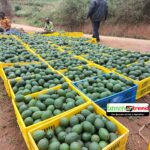
When you look at the fundamentals, the leadership of the Kenya avocado industry becomes unmistakably clear. The country’s avocado hectarage has now expanded beyond 36,000 hectares. To put this in perspective, Morocco’s avocado farms cover approximately 12,000 hectares. This threefold difference in planted area represents a massive long-term advantage in production capacity. Furthermore, when you consider total export markets, including Kenya’s strong and rapidly growing trade with the United Arab Emirates, China, and other global destinations, the numbers confirm that the Kenya avocado industry continues to lead the continent in overall avocado exports and comprehensive sector development.
The Scale and Scope of Kenya’s Avocado Dominance
The Kenya avocado industry has grown from humble beginnings into a sophisticated agricultural powerhouse. Smallholder farmers, who form the backbone of the sector, have embraced avocado farming as a reliable pathway out of poverty. Unlike traditional cash crops that offer only one harvest per year, avocados provide multiple income streams and, once established, can produce fruit for decades.
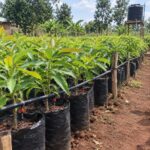
The expansion to over 36,000 hectares did not happen by accident. It resulted from strategic investments in research, extension services, and market development. Institutions like the Kenya Agricultural and Livestock Research Organization (KALRO) have developed and disseminated improved varieties suited to different agro-ecological zones. The Kenya Plant Health Inspectorate Service (KEPHIS) ensures that planting materials are certified and free from disease, protecting the long-term health of the industry.
The Processing Revolution Transforming the Kenya Avocado Industry
The most exciting development in the Kenya avocado industry is not happening on the farm. It is happening in the rapidly expanding network of processing facilities across the country. This shift from raw commodity exporter to value-added producer represents a fundamental evolution in how Kenya participates in the global avocado trade.
In the past year alone, Kenya has nearly tripled its avocado oil exports, approaching an impressive 30,000 metric tonnes. This explosive growth is supported by over 50 avocado oil processing plants now operational nationwide. These are not small experimental operations. They are commercial facilities processing fruit at industrial scale and meeting rigorous international quality standards.
The significance of this processing capacity cannot be overstated. Fresh avocado exports are limited by seasonality, shelf life, and strict quality grades. Only perfect fruit destined for the fresh market commands premium prices. However, fruit that does not meet fresh export specifications—perhaps due to minor blemishes or size variations—can now be diverted to processors. This means less waste, higher overall farmer incomes, and a more resilient value chain.
Kenya as a Regional Processing Hub
The Kenya avocado industry has also emerged as a regional processing hub. Trucks carrying avocados from neighboring East African countries now roll into Kenyan processing plants, where the fruit is crushed and transformed into oil, puree, and other products. This regional integration strengthens Kenya’s position while supporting the entire East African avocado value chain.
Tanzania, Uganda, and Rwanda all produce avocados, but their processing capacity remains limited. By positioning itself as the region’s processing center, Kenya captures additional value while helping neighboring farmers access markets they could not reach alone. This creates a win-win dynamic that reinforces Kenya’s leadership.
Diversification into New Products
Beyond oil, the Kenya avocado industry is rapidly diversifying its product portfolio. New guacamole processing facilities are coming online, expanding the range of products Kenya can offer global buyers. Ready-to-eat guacamole, both fresh and frozen, commands premium prices in sophisticated markets like Europe and North America.
Investment in frozen avocado processing plants is accelerating rapidly. Frozen avocado halves, slices, and pulp allow Kenyan producers to supply international markets year-round, overcoming the seasonality constraints of fresh fruit exports. This is particularly important for food service companies and manufacturers who require consistent supply regardless of season.
Some processors are even exploring avocado-based cosmetics and personal care products. Avocado oil is prized in the beauty industry for its moisturizing properties, and Kenyan producers are beginning to supply this lucrative niche market.
Market Diversification Reducing Risk
The Kenya avocado industry has learned valuable lessons about the dangers of over-reliance on any single market. While Europe remains an important destination, Kenyan exporters have aggressively diversified into new markets.
The Middle East, particularly the United Arab Emirates, has emerged as a major growth market. Kenyan avocados are now a common sight in Dubai supermarkets and restaurants. The shorter shipping distance compared to Europe means fruit arrives fresher and with longer remaining shelf life.
China represents perhaps the most exciting long-term opportunity. Following successful negotiations to gain market access, Kenyan avocados are now reaching Chinese consumers. With its massive population and growing middle class, China could eventually become Kenya’s largest avocado market. The Kenya avocado industry is positioning itself to meet this demand with both fresh and processed products.
Other promising markets include India, Russia, and Southeast Asia. By diversifying across multiple destinations, Kenyan exporters reduce vulnerability to economic downturns or regulatory changes in any single country.
Building a Complete Avocado Ecosystem
According to Muthomi Ernest, CEO of the Avocado Society of Kenya, this transformation represents something far more significant than simply increasing production numbers. Kenya is building a complete avocado ecosystem that supports every player in the value chain.
For farmers, this means more stable demand and better prices. Processors can buy fruit that does not meet fresh export grade specifications, turning what was once waste into valuable oil and other products. This reduces post-harvest losses and increases farmer incomes. Farmers who once worried about finding buyers for their entire harvest now have multiple options.
For exporters, the growth in processing capacity creates new market opportunities and reduces dependence on any single destination market. Kenya can now supply fresh fruit, frozen products, oil, and guacamole to a diverse range of buyers across Europe, the Middle East, Asia, and beyond. Exporters can offer customers a full product line rather than just fresh fruit.
For investors, the rapid expansion of processing infrastructure signals a mature, attractive market with opportunities across the value chain. The presence of over 50 operational oil plants demonstrates that Kenya offers a favorable environment for agro-processing investment. New investors are entering the sector, bringing capital, technology, and market connections.
For global trade partners, Kenya has become a reliable, sophisticated supplier capable of meeting complex product specifications and quality requirements. The country is not just exporting avocados. It is exporting avocado solutions tailored to different market needs. Importers know they can count on Kenyan suppliers for consistent quality and reliable delivery.
Supportive Policy Environment
The growth of the Kenya avocado industry has been supported by favorable government policies. The Agriculture and Food Authority (AFA) through its Horticultural Crops Directorate provides regulatory oversight and market facilitation. The Export Promotion Council helps connect Kenyan exporters with international buyers.
The government has also invested in infrastructure that benefits the avocado sector. Upgraded roads in producing regions reduce post-harvest losses by getting fruit to markets and processors faster. Improvements at the Port of Mombasa have reduced shipping times and costs. Cold storage facilities at the airport enable efficient air freight of fresh fruit.
Trade diplomacy has opened new markets. The Kenyan government has actively negotiated market access agreements with key trading partners, including China, and continues to pursue new opportunities. This diplomatic support complements the private sector’s commercial efforts.
Employment and Economic Impact
The Kenya avocado industry is a major source of employment and economic activity. Hundreds of thousands of farmers depend on avocados for their livelihoods. Beyond the farm, the sector supports jobs in nurseries, transport, logistics, processing, marketing, and export.
The 50-plus processing plants employ thousands of workers directly. These are formal jobs with regular wages, often in rural areas where alternative employment is scarce. The multiplier effect extends to suppliers of packaging materials, equipment maintenance services, and transportation providers.
Women play a particularly important role in the industry. Many avocado farms are owned or managed by women. In processing facilities, women fill key roles in sorting, grading, and packing. The Kenya avocado industry has become a vehicle for women’s economic empowerment.

Challenges and the Path Forward
Despite its successes, the Kenya avocado industry faces ongoing challenges. Maintaining fruit quality throughout the supply chain requires constant vigilance. Pests and diseases, including the threat of quarantine pests that could disrupt exports, require active management. Climate change introduces new uncertainties, with unpredictable rainfall patterns affecting production.
The industry must also navigate increasingly complex international regulations. Maximum residue limits for pesticides, food safety certification requirements, and sustainability standards all demand attention and investment. Meeting these requirements is essential for maintaining market access.
However, the industry’s trajectory remains strongly positive. With continued investment in production, processing, and market development, the Kenya avocado industry is well-positioned for sustained growth. The foundation has been laid. The ecosystem is being built. The future is bright.
Conclusion
The Kenya avocado industry has earned its title as Africa’s avocado king through strategic investment, farmer dedication, and a clear vision for the future. While competitors may gain ground in specific markets during particular seasons, the long-term fundamentals overwhelmingly favor Kenya.
With over 36,000 hectares of planted area, more than 50 operational processing plants, rapidly growing value-added exports, and a comprehensive ecosystem supporting every part of the value chain, Kenya’s leadership is secure. The country is not just producing more avocados than any other African nation. It is building a complete, resilient, and sophisticated avocado economy that will serve farmers, investors, and global customers for generations to come.
As Muthomi Ernest of the Avocado Society of Kenya powerfully states, the vision extends far beyond fresh exports. Kenya is building a complete ecosystem that supports farmers, exporters, processors, investors, and global trade partners. This is the evolution of the Kenya avocado industry—moving beyond fresh exports into processing, innovation, and regional leadership. Kenya is not just exporting avocados. It is building a lasting legacy.
https://farmerstrend.co.ke/trending/kenya-avocado-industry-africa-leader/https://farmerstrend.co.ke/wp-content/uploads/2026/02/1767530537473-768x1024.jpeghttps://farmerstrend.co.ke/wp-content/uploads/2026/02/1767530537473-150x150.jpeg# TrendingKenya Avocado Industry: The Complete Story of Africa's Undisputed Leader There has been much discussion lately about Morocco gaining ground in avocado exports to Europe. While it is true that logistical challenges faced by Kenyan exporters last year temporarily affected market share in that specific region, focusing solely on this...FarmersTrendjohn doefarmerstrend@gmail.comAdministratorFarmers Trend Ltd.








Leave a Reply