Unlock the Secret to Profitable Fish Farming: Understanding Fish Pond Capacity
Overcrowding a fish pond can cause all manner of trouble. An overabundance of fish can tax a pond’s ability to provide biological filtration, leading to a buildup of toxic ammonia and nitrites. Additionally, too many fish can deplete a pond of oxygen. While these conditions harm fish, they also encourage the growth of unsightly algae. You must understand the capacity of your pond to in order to avoid these issues.
A well-managed pond is not just about digging a hole and filling it with water; it’s about creating a balanced ecosystem that supports the healthy growth of fish while ensuring maximum yields and profitability.
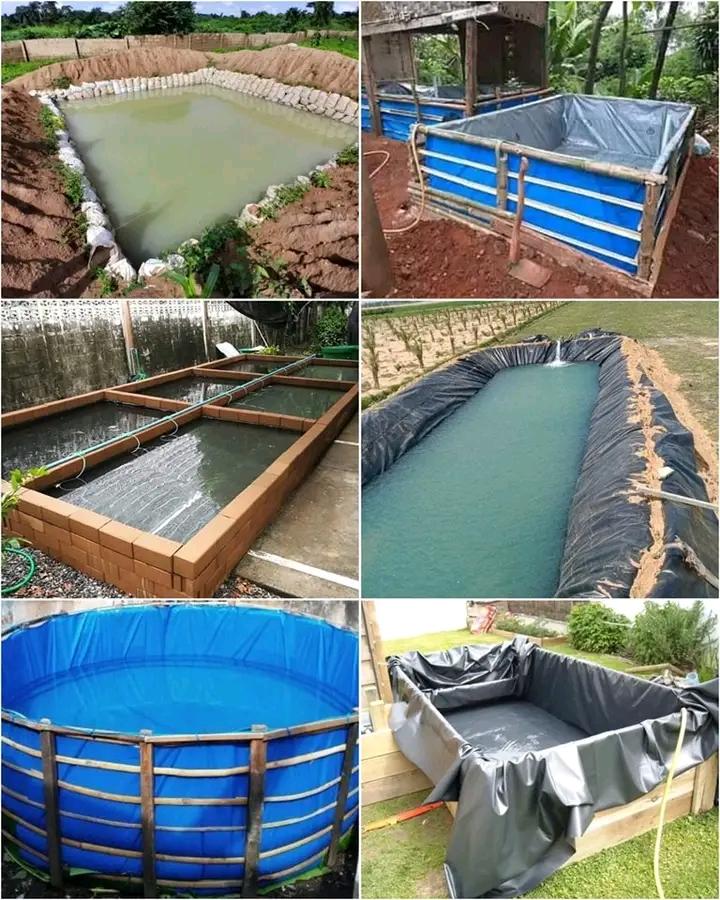
Pond capacity directly influences stocking density, fish health, growth rates, and overall operational efficiency. Overstocking, for instance, can lead to competition for resources, stress among fish, increased susceptibility to diseases, and reduced growth rates. On the other hand, understocking can mean underutilization of resources and reduced profitability. Therefore, understanding the science behind pond capacity is the foundation of successful fish farming.
How to Calculate Pond Capacity
The first step in managing your pond effectively is to calculate its capacity. This is a straightforward yet crucial process that determines the volume of water available for your fish. Here’s a step-by-step guide:
1. Determine Your Pond’s Volume: To calculate the volume of your pond, use the formula:
For example, if your pond measures 10 meters in length, 5 meters in width, and has an average depth of 1.5 meters:
2. Apply Stocking Density: Once you know the volume, the next step is to determine how many fish your pond can support. Stocking density varies depending on the species and the farming system you employ. Here are general guidelines:
- Tilapia: In semi-intensive systems, stock 3 to 5 fish per cubic meter.
- Catfish: In intensive systems, stock 10 to 15 fish per cubic meter.
Using the example above, a 75 m³ pond could support:
- Tilapia: 225 to 375 fish (75 \times 3 to 5).
- Catfish: 750 to 1,125 fish (75 \times 10 to 15).
3. Optimize with Aeration and Water Management: Ponds equipped with aeration systems can support higher stocking densities by ensuring adequate oxygen levels and promoting waste decomposition. Without proper aeration, stocking densities must remain lower to avoid oxygen depletion and water quality issues.

Example Calculation
Imagine you are setting up a pond for tilapia farming. If your pond measures 10 meters by 5 meters with an average depth of 1.5 meters:
- Calculate the volume: .
- Determine stocking density: For semi-intensive tilapia farming, stock 3 to 5 fish per cubic meter.
- Stocking range: to .
If you’re farming catfish intensively, you could stock between 750 and 1,125 fish in the same pond with appropriate aeration.
Pro Tips for Maximum Efficiency
To ensure your fish farming operation runs smoothly and achieves peak productivity, consider the following tips:
1. Regular Water Quality Testing: Maintaining optimal water quality is paramount. Regularly test for key parameters such as:
- pH Levels: Ideal range for most fish is 6.5 to 8.5.
- Dissolved Oxygen (DO): Levels should not drop below 5 mg/L.
- Ammonia: Keep levels below 0.02 mg/L to prevent toxicity.
Invest in reliable testing kits and establish a routine monitoring schedule to catch potential problems early.
2. Source High-Quality Fingerlings: The quality of your fingerlings determines the growth and survival rates of your fish. Always purchase fingerlings from reputable hatcheries to ensure they are disease-free and genetically robust.
3. Install Aerators: Aeration is a game-changer for fish farming. It increases dissolved oxygen levels, which supports higher stocking densities and promotes healthy fish growth. Aerators also help circulate water, preventing the buildup of harmful gases and ensuring a uniform temperature throughout the pond.
4. Avoid Overstocking: While it might be tempting to maximize the number of fish in your pond, overstocking can backfire. Overcrowded ponds lead to competition for food and oxygen, increased stress, and a higher likelihood of disease outbreaks. Stick to recommended stocking densities based on your pond’s capacity and available resources.
5. Practice Regular Pond Maintenance: Keep your pond clean and free of debris. Periodically remove excess organic matter such as uneaten feed and fish waste, as these can degrade water quality. Ensure the pond’s walls and bottom are in good condition to prevent leaks.
Why Pond Capacity Matters
Understanding and optimizing pond capacity is not just a technical aspect of fish farming; it’s a strategic business decision. Properly stocked ponds lead to:
- Higher Yields: By maintaining the right stocking density, you can achieve better growth rates and harvests.
- Improved Fish Health: Adequate space and resources reduce stress and the risk of disease.
- Cost Efficiency: Optimizing pond capacity ensures you make the most of your investment in feed, aeration, and water management.
Ready to Scale Your Fish Farming Business?
Are you looking to take your fish farming operation to the next level? Whether you’re just starting or planning to expand, understanding pond capacity and implementing best practices can set you on the path to success. Connect with me to discuss customized strategies, pond optimization techniques, and tailored solutions for your agribusiness. Together, we can build a thriving aquaculture venture that not only meets but exceeds your expectations.
Drop a comment or message me today to start the conversation. Let’s unlock the full potential of your fish farming business!
https://farmerstrend.co.ke/trending/unlock-the-secret-to-profitable-fish-farming-understanding-fish-pond-capacity/https://farmerstrend.co.ke/wp-content/uploads/2025/01/GFpnEWZW0AEpHHL.jpghttps://farmerstrend.co.ke/wp-content/uploads/2025/01/GFpnEWZW0AEpHHL-150x150.jpg# TrendingFish FarmingOvercrowding a fish pond can cause all manner of trouble. An overabundance of fish can tax a pond's ability to provide biological filtration, leading to a buildup of toxic ammonia and nitrites. Additionally, too many fish can deplete a pond of oxygen. While these conditions harm fish, they also...FarmersTrendjohn doefarmerstrend@gmail.comAdministratorFarmers Trend Ltd.












Leave a Reply