

Archives for # Trending - Page 3
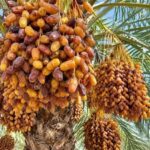
Male and Female Date Palms: 7 Clear Differences Every Farmer Must Know and How Many Males Do You Need Per 100 Females
Male and female date palms are two separate trees, and only one of them bears dates. The female palm grows the fruit. The male palm grows the pollen. Without pollen…

Seedling Distribution in Kenya Under Scrutiny as KALRO, AFA and KEPHIS Strengthen Verification
Seedling distribution in Kenya is under review as KALRO, AFA, KEPHIS and the Ministry of Agriculture coordinate nursery verification, seedling quality and suitability for farmers. Seedling Distribution in Kenya Under…
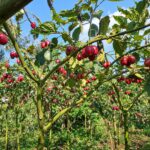
Grafted Red Oratia Tree Tomato Seedlings at KSh 100: Fruit in 8 Months, Harvest Weekly for 6 Profitable Years
Grafted Red Oratia tree tomato seedlings cost KSh 100 each. Each seedling starts to fruit 8 months after planting. You then harvest every week for about 6 years. One acre…

Fruit Trees to Plant This Short Rains Season: 8 Best Choices by Region
Fruit trees to plant this short rains season depend on your altitude, your soil and the weeks of rain left in your county. Kenya Met forecasts above-average rainfall over 80…

FRUIT FARMING FOR SALARIED WORKERS: 5 PROVEN WAYS TO RUN AN ORCHARD FROM TOWN
Fruit farming for salaried workers works when you run your orchard like a second job with a clear system. You hold a job in town. Your trees stand in a…
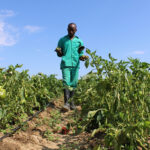
Why Good Agronomists Fail as Farm Managers When They Cannot Control Costs and Lead Teams
Farm management in Kenya requires more than agronomic knowledge. Learn why good agronomists struggle as farm managers and how financial skills, leadership and strategic thinking improve farm profitability. Why Good…
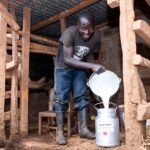
Milk Shortage in Kenya Deepens as Drought and Foot and Mouth Disease Cut Dairy Production
The milk shortage in Kenya is raising concerns as drought, feed shortages and foot and mouth disease reduce dairy production, push up costs and threaten milk supplies. Milk Shortage in…
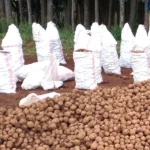
Why Farmers in Kenya Sometimes Sell Their Produce at Low Prices Instead of Waiting for Better Markets
Farmers in Kenya often sell produce at low prices because of perishability, storage costs, urgent bills and limited market access. Find out what can help farmers earn more. Why Farmers…

AI in Agriculture in Kenya Raises Questions About Who Benefits as Technology Reaches Smallholder Farmers
AI in agriculture in Kenya could improve weather forecasts, pest management and market access, but farmers need affordable tools, reliable advice and control over their farm data. AI in Agriculture…

Why Farming in Kenya Feels Like Gambling Even When Farmers Do Everything Right
Farming in Kenya comes with unpredictable weather, pests, rising input costs and unstable market prices. Discover why farmers face these risks and how they can protect their investments. Why Farming…