Candlenut Farming in Kenya: 2026 Complete Profit Guide & Growing Instructions
Candlenut farming in Kenya is an emerging agricultural opportunity gaining attention among forward-thinking farmers. Known scientifically as Aleurites moluccanus, and called Mbau in Swahili, this versatile tree offers multiple income streams from nuts, oil, and timber. While not as common as macadamia or cashew, candlenut farming in Kenya presents unique advantages for farmers in suitable regions. This comprehensive guide by Farmers Trend Limited answers every question about candlenut farming in Kenya, from understanding its uses and profitability to providing a complete step-by-step growing guide. Whether you’re exploring diversification options or seeking a long-term tree crop investment, this resource provides essential knowledge for successful candlenut farming in Kenya.
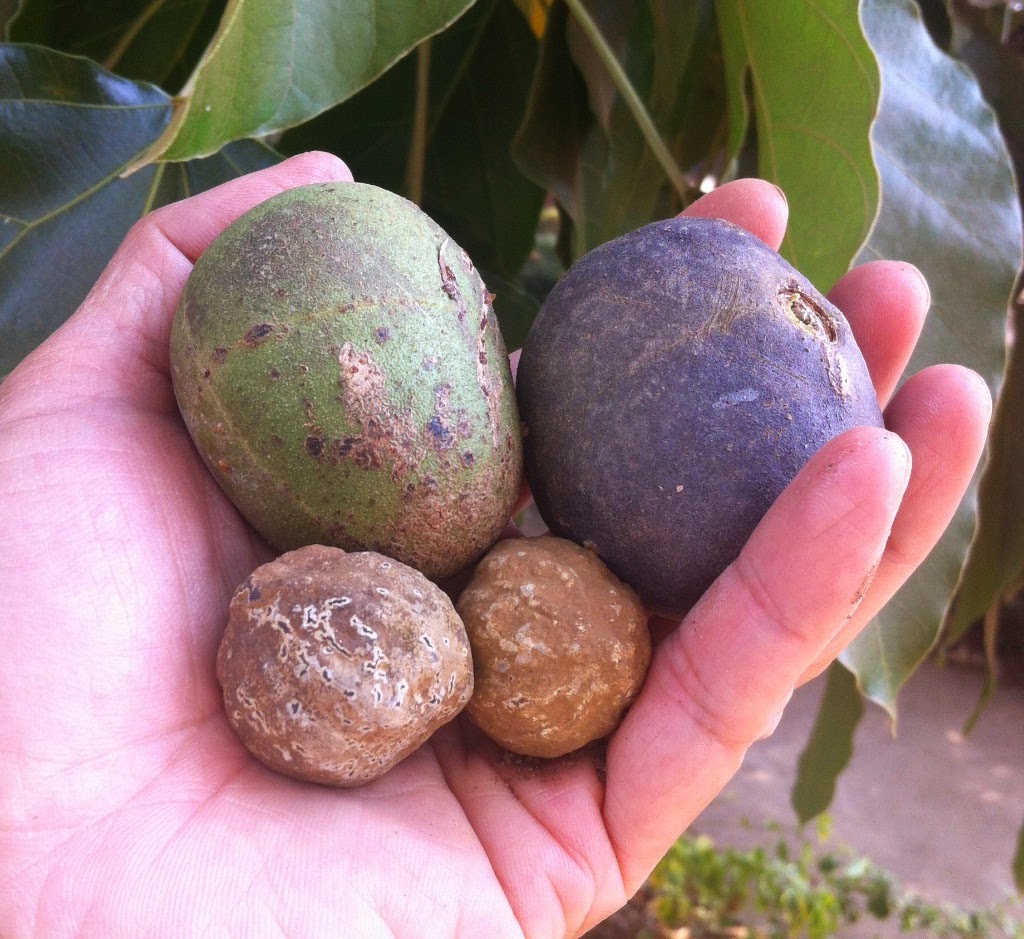
Understanding Candlenut: Identity and Uses
Before exploring cultivation, we must answer fundamental questions about this unique tree. What are candlenuts? They are the seeds of the candlenut tree, traditionally used for various purposes across different cultures.
What is candlenut in English? The tree is commonly called candlenut, candleberry, or Indian walnut. The name “candlenut” originates from its traditional use: the nuts contain high oil content and were historically strung on palm leaf midribs and burned as candles, hence “why is it called candlenut.”
What are candlenuts used for? Their applications are surprisingly diverse:
- Culinary uses: In Southeast Asian cuisine, particularly as a thickening agent in curries and sauces
- Oil production: The nuts yield 50-60% oil used in cosmetics, soaps, and traditional medicines
- Traditional medicine: Used in various healing applications in traditional systems
- Industrial uses: The oil serves as a wood preservative and in paint production
- Timber: The wood is lightweight and used for carving and light construction
- What do candlenuts taste like? Raw candlenuts have a slightly bitter, earthy flavor with a texture similar to macadamia nuts when roasted. However, they’re rarely eaten raw in large quantities due to mild toxicity concerns.
Are candlenuts safe to eat? This requires careful explanation. Raw candlenuts contain substances that can cause digestive issues. They are traditionally always cooked or processed before consumption. Proper preparation through roasting or boiling eliminates these concerns. When asking how to consume candlenuts, know that they are typically roasted, ground, and used as a spice or thickening agent in cooked dishes rather than eaten as snack nuts like almonds or cashews.
Comparative Analysis: Candlenut vs. Other Nuts
Understanding how candlenut differs from more familiar nuts is crucial.
Is candlenut the same as macadamia? No. While both are tropical trees producing oily nuts, they belong to different plant families. Macadamia (Macadamia integrifolia) is native to Australia, while candlenut (Aleurites moluccanus) originates from Southeast Asia and the Pacific. The nuts differ in flavor, oil composition, and culinary uses.
Are hazelnuts and candlenuts the same thing? Absolutely not. Hazelnuts (Corylus avellana) are temperate zone nuts from an entirely different botanical family, with different growing requirements, flavor profiles, and uses.
What is the Indian name for candlenut? In India, it’s commonly called “Akhrot” or “Jangli akhrot,” though this can sometimes refer to other wild nuts as well.
Profit Potential and Market Analysis
The central question for farmers is: Is candlenut farming profitable in Kenya? Let’s examine the economic potential.
A mature candlenut tree can produce 30-80 kilograms of nuts annually, with peak production occurring at 8-15 years. With proper spacing of approximately 10×10 meters, an acre can accommodate about 40-50 trees. This translates to a potential yield of 1,200 to 4,000 kilograms of nuts per acre at full production.
Current market prices for candlenuts in Kenya range from KSh 200 to KSh 400 per kilogram, depending on quality, processing, and market channel. Processed candlenut oil commands significantly higher prices, reaching KSh 800 to KSh 1,500 per liter.
Calculating candlenut farming profit per acre:
Yield: 2,500 kg per acre (conservative average)
Price: KSh 300 per kg
Gross Revenue: 2,500 × 300 = KSh 750,000 per acre annually
Additionally, candlenut trees produce valuable timber after their productive nut-bearing years. A single mature tree’s timber can be worth KSh 10,000 to KSh 25,000, adding substantial long-term value.
The cost of candlenut farming in Kenya is moderate, with major expenses being quality seedlings, land preparation, and initial care. Establishment costs over the first three years typically range from KSh 150,000 to KSh 300,000 per acre. Annual maintenance costs are relatively low once trees are established, as candlenut trees are generally hardy and require minimal inputs compared to annual crops.
This favorable cost-to-revenue ratio makes candlenut farming in Kenya a potentially profitable long-term investment, especially when considering the tree’s productive lifespan of 40-60 years.
Ecological Requirements for Success
Successful candlenut farming in Kenya requires specific growing conditions that align with the tree’s natural preferences.
Climate Requirements:
Candlenut thrives in tropical climates with:
Temperatures between 20°C and 30°C
Annual rainfall of 1,500 to 4,000 mm
High humidity (60-80%)
Altitudes up to 1,200 meters above sea level
In Kenya, these conditions are found primarily in coastal counties (Kilifi, Kwale, Mombasa, Lamu) and some warmer mid-altitude regions with adequate rainfall.
Soil Requirements:
The tree adapts to various soil types but performs best in:
Deep, well-drained soils
pH range of 5.5 to 7.0
Soils rich in organic matter
Candlenut trees develop extensive root systems, so deep soil is particularly beneficial. They can tolerate moderately poor soils but respond well to soil improvement.
Sunlight Requirements:
Candlenut trees require full sun for optimal growth and nut production—at least 6-8 hours of direct sunlight daily. Young trees benefit from some shade during establishment but require increasing sunlight as they mature.
Complete Step-by-Step Growing Guide
This comprehensive guide to candlenut farming in Kenya provides practical instructions from planting to harvest.
1. Sourcing Quality Planting Material
Begin with quality seedlings from reputable sources. Farmers Trend nurseries offer certified candlenut seedlings through their physical locations and virtual agrovet platform. Starting with healthy, true-to-type seedlings ensures faster establishment and earlier production compared to growing from seed.
When selecting planting material, consider that candlenut trees are typically propagated through seeds, though grafting is possible for specific varieties. Seed-grown trees show some variability, so sourcing from known high-yielding parent trees is advantageous.
2. Land Preparation and Planting Time
Prepare land by clearing all vegetation and deep plowing to at least 60 centimeters. This accommodates the tree’s extensive root system. Incorporate well-rotted manure or compost into the planting holes to improve soil fertility and structure.
The best planting time in Kenya is at the beginning of the rainy season—typically March to April for long rains or October to November for short rains. This gives seedlings natural moisture for establishment without excessive irrigation.
3. Optimal Spacing and Plant Population
Proper spacing ensures each tree receives adequate resources. Recommended spacing is 8 to 12 meters between trees in all directions. This accounts for the tree’s mature size, which can reach 15-25 meters in height with a canopy spread of 10-15 meters.
This spacing gives a population per acre of approximately 30 to 60 trees, depending on the exact spacing chosen. Wider spacing allows for intercropping during the first 5-7 years before tree canopies close.
4. Planting Technique
Dig planting holes at least 60×60×60 centimeters. Mix excavated soil with 20-30 kilograms of well-rotted manure or compost. Place the seedling in the hole at the same depth it was in the nursery container. Backfill with the soil mixture, water thoroughly, and mulch around the base to conserve moisture and suppress weeds.
5. Water Management
While established candlenut trees are drought-tolerant, consistent moisture during the first 2-3 years is crucial for proper establishment. Water young trees weekly during dry periods. Mature trees generally survive on rainfall but benefit from supplemental watering during extended dry spells, especially during flowering and nut development.
6. Fertilization Program
Candlenut trees respond well to balanced nutrition:
At planting: Incorporate ample organic matter into the planting hole
Year 1-3: Apply balanced NPK fertilizer (10:10:10) quarterly, increasing from 100g to 500g per tree as it grows
Mature trees: Apply 5-10 kilograms of well-rotted manure or compost annually around the drip line
Nut production years: Additional potassium and phosphorus support better nut development
7. Pruning and Training
Minimal pruning is required for candlenut trees. Focus on:
Removing dead, diseased, or damaged branches
Maintaining a single main trunk during early years
Thinning crowded branches to improve light penetration and air circulation
Controlling height if necessary for easier harvesting
Growth Timeline and Production Expectations
Understanding the growth cycle helps with planning and patience. Candlenut trees typically:
Begin flowering at 3-5 years of age
Produce their first substantial nut crop at 5-8 years
Reach full production at 10-15 years
Remain productive for 40-60 years
This long timeline makes candlenut a true legacy crop, requiring patience but offering decades of production once established.
Harvesting and Processing
Candlenuts are typically harvested when the outer husk begins to split open, revealing the hard-shelled nuts inside. The nuts fall naturally or can be knocked from the tree using poles.
After harvest, nuts require processing:
Removing the outer husk (if not already split open)
Drying the nuts in the sun for 1-2 weeks
Cracking the hard shell to extract the kernel (this requires specialized equipment for large quantities)
Further processing into oil, powder, or other products as needed
Proper drying is crucial for storage and prevents mold development in the oily kernels.
Health Benefits and Nutritional Value
What are the benefits of candle nuts? They offer several nutritional advantages:
High in healthy fats (particularly omega-3 and omega-6 fatty acids)
Good source of protein and fiber
Contain antioxidants that combat oxidative stress
Provide minerals like magnesium, potassium, and phosphorus
Traditional uses include promoting skin and hair health when used topically as oil
However, these benefits are best obtained from properly processed nuts, as raw consumption poses risks due to the mild toxins present.
Marketing and Value Addition
Developing markets is crucial for commercial candlenut farming in Kenya. Potential markets include:
Local culinary markets: Restaurants serving Asian or fusion cuisine
Cosmetic and soap manufacturers: For candlenut oil
Health food stores: As a specialty ingredient
Export markets: Particularly to Southeast Asia where candlenut is traditionally used
Local communities: For traditional uses and medicinal applications
Value addition significantly increases profitability:
Processing into oil (using cold press or traditional methods)
Making candlenut butter or paste
Producing candlenut flour for gluten-free baking
Creating cosmetic products like soaps, lotions, and hair treatments
Packaging for retail with attractive branding
Challenges and Risk Management
While promising, candlenut farming in Kenya presents challenges:
Long establishment period: 5-8 years to first substantial harvest requires financial planning and patience.
Processing requirements: The hard shells make nut extraction labor-intensive without proper equipment.
Limited local market awareness: Most Kenyans are unfamiliar with candlenuts, requiring market education.
Pest and disease issues: While generally hardy, candlenut trees can be affected by specific pests and diseases that require monitoring and management.
Climate sensitivity: Young trees are particularly sensitive to frost and extended drought.
Mitigation strategies include intercropping during establishment years, investing in processing equipment as scale increases, educating potential buyers about candlenut uses, and selecting appropriate growing sites.

Comparative Advantage in Kenyan Agriculture
When considering candlenut farming in Kenya alongside other tree crops, several advantages emerge:
Drought tolerance: Once established, candlenut trees withstand dry conditions better than many commercial tree crops.
Multiple products: Nuts, oil, timber, and potential carbon credits create diverse income streams.
Soil improvement: The trees’ leaf litter contributes to soil organic matter.
Low maintenance: Compared to annual crops or some other tree crops, candlenut requires relatively minimal inputs once established.
Climate resilience: Suitable for areas that may become marginal for other crops due to climate change.
Getting Started with Farmers Trend
For farmers interested in candlenut farming in Kenya, Farmers Trend provides essential support:
Quality seedlings: Available through their nurseries and virtual agrovet platform
Technical guidance: Expert advice on establishment and management
Market linkages: Connections to potential buyers and processors
Training resources: Information on best practices for candlenut cultivation
Their virtual agrovet platform makes accessing planting materials and information convenient regardless of location.
Conclusion and Future Prospects
Candlenut farming in Kenya represents a unique opportunity in the country’s agricultural diversification. While requiring patience during establishment, the long-term benefits—decades of production, multiple income streams, and environmental benefits—make it a compelling option for forward-thinking farmers.
As global interest in diverse, sustainable crops grows, and as Kenyan consumers become more adventurous in their culinary choices, candlenut’s prospects brighten. The tree’s adaptability to various Kenyan climates, particularly coastal regions, positions it well for expansion.
Success requires careful planning: selecting appropriate sites, sourcing quality planting material from reputable suppliers like Farmers Trend, providing proper care during establishment, and developing marketing strategies. For farmers willing to invest in this long-term crop, candlenut farming in Kenya offers the potential for sustainable income and contribution to agricultural biodiversity.
Whether starting with a few trees or establishing a commercial orchard, the journey begins with knowledge and quality planting material. With these foundations, candlenut farming in Kenya can become a rewarding and profitable agricultural enterprise for generations to come.
https://farmerstrend.co.ke/trending/candlenut-farming-in-kenya-profit-guide/https://farmerstrend.co.ke/wp-content/uploads/2026/01/candle_nut_fruit.jpghttps://farmerstrend.co.ke/wp-content/uploads/2026/01/candle_nut_fruit-150x150.jpg# TrendingCandle Nut FarmingCandlenut farming in Kenya is an emerging agricultural opportunity gaining attention among forward-thinking farmers. Known scientifically as Aleurites moluccanus, and called Mbau in Swahili, this versatile tree offers multiple income streams from nuts, oil, and timber. While not as common as macadamia or cashew, candlenut farming in Kenya presents unique advantages for farmers in...FarmersTrendjohn doefarmerstrend@gmail.comAdministratorFarmers Trend Ltd.




Leave a Reply