What Makes a Great Agronomist? Unpacking the Traits of Agricultural Excellence
Agronomists are the unsung heroes shaping the future of farming. They’re the bridge between science and soil, the architects of abundance in a world hungry for both food and sustainability.

Over the years, after sifting through hundreds of agronomist resumes and meeting countless professionals in this field, I’ve come to realize that greatness in agronomy isn’t just about a degree or a title. It’s a rare alchemy of skills, mindset, and passion that sets the truly exceptional apart from the rest.
So, what makes a great agronomist? It’s not just about knowing the pH of soil or the lifecycle of a pest—it’s about embodying a dynamic blend of curiosity, strategy, collaboration, innovation, and purpose.
In this blog post, we’ll dive deep into five standout traits that define top agronomists, drawing from real-world insights and celebrating the pioneers who are transforming agriculture, one field at a time.
Whether you’re an agronomist yourself, a farmer seeking guidance, or simply an agriculture enthusiast, this is your invitation to explore what excellence looks like in this vital profession.
Trait 1: Lifelong Learners – The Pursuit of Knowledge Never Ends
Great agronomists don’t rest on their laurels. They’re the ones with dirt under their nails and a stack of research papers on their desk, perpetually hungry to learn more. Agriculture is a field in constant flux—new pests emerge, climates shift, and scientific breakthroughs rewrite the rules. The best agronomists thrive in this uncertainty, treating every season as a classroom.
Take Jane, an agronomist I met in Eldoret. She spends her evenings poring over studies on drought-resistant maize hybrids, not because it’s required, but because she’s driven to help farmers in her arid region adapt to erratic rains. She’s attended workshops on biochar in Nairobi, explored permaculture techniques online, and even shadowed a colleague experimenting with vertical farming in Kiambu. Her curiosity isn’t just personal—it’s a lifeline for the farmers who rely on her expertise.
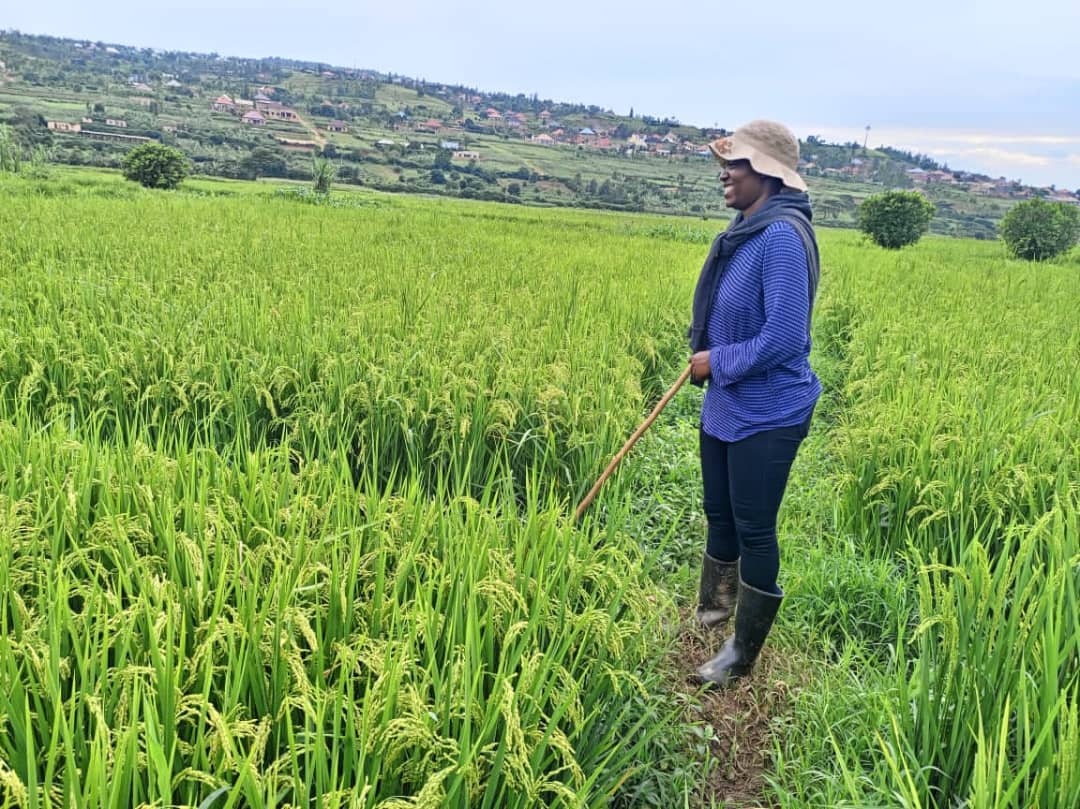
Lifelong learning means staying ahead of the curve—whether it’s mastering the latest soil microbiology research or understanding how blockchain can trace coffee from farm to cup. For agronomists in Kenya, where smallholder farmers dominate, this trait translates into practical solutions that boost yields and resilience, season after season.
Trait 2: Data-Driven Strategists – Turning Numbers into Nourishment
In the hands of a great agronomist, data isn’t just numbers—it’s a roadmap to success. Every soil sample, weather forecast, and yield report is a puzzle piece they assemble to optimize farming outcomes. These professionals don’t guess; they analyze, strategize, and deliver results.
Consider Paul, an agronomist working with tea growers in Kericho. Armed with a tablet and a soil testing kit, he maps nutrient levels across dozens of farms, identifying deficiencies that explain uneven yields. He cross-references this with rainfall data and market trends, advising farmers on when to fertilize and which varieties to plant for maximum profit. His decisions aren’t hunches—they’re rooted in evidence, ensuring every shilling spent on inputs delivers a return.
In an era where precision agriculture is gaining traction, data-driven agronomists are indispensable. They use tools like satellite imagery to monitor crop health in real-time or crunch numbers to balance irrigation schedules in dry spells. For Kenya’s farmers, facing tight margins and unpredictable weather, this strategic mindset is the difference between survival and prosperity.
Trait 3: Collaborators & Change-Makers – Building a Stronger Agricultural Ecosystem
Agriculture isn’t a solo sport—it’s a symphony of voices, from farmers and researchers to policymakers and consumers. Great agronomists understand this, positioning themselves as connectors who amplify impact through teamwork. They’re not just advisors; they’re catalysts for change.
Meet Amina, an agronomist in Mombasa who works with coastal vegetable farmers. She doesn’t just give out advice—she organizes cooperatives, linking growers with seed suppliers and buyers in urban markets. She’s collaborated with university researchers to trial salt-tolerant crops, addressing the region’s saline soils, and even lobbied local leaders for better irrigation infrastructure. Her work doesn’t stop at the farm gate; it ripples outward, shaping policies and strengthening communities.

This collaborative spirit is vital in Kenya, where agriculture employs over 70% of the workforce. Great agronomists bridge gaps—between traditional knowledge and modern science, between rural fields and urban demand—driving progress that benefits everyone. They listen as much as they lead, ensuring their solutions resonate with the people they serve.
Trait 4: Tech Pioneers – Embracing Innovation to Revolutionize Farming
The future of farming is here, and great agronomists are its trailblazers. From drones buzzing over fields to AI analyzing soil health, they embrace technology not for its flashiness but for its power to transform lives. In a country like Kenya, where mobile penetration is high and digital tools are accessible, this trait is a game-changer.
Think of Samuel, an agronomist in Nakuru who uses drone imagery to monitor wheat fields for early signs of rust disease. What once took days of walking now takes hours from his laptop, allowing him to alert farmers before outbreaks spread. Or consider Grace in Kisii, who trains farmers to use smartphone apps for pest identification, cutting pesticide costs with targeted interventions. These tech pioneers don’t just adopt tools—they adapt them to local realities, making innovation practical and scalable.

For Kenya’s agronomists, technology isn’t a luxury—it’s a necessity. With tools like SMS-based weather alerts or blockchain for supply chain transparency, they’re revolutionizing how farming is done, ensuring efficiency and equity in a competitive world.
Trait 5: Champions of Sustainability – Balancing Productivity and the Planet
Productivity alone isn’t enough—great agronomists know that farming must endure for generations. They’re the vanguards of sustainability, weaving eco-friendly practices into every recommendation. In a nation where soil degradation and climate change threaten livelihoods, this trait is both a moral stance and a practical imperative.
Look at Joseph, an agronomist in Machakos who promotes regenerative agriculture. He teaches farmers to rotate crops with legumes, restoring nitrogen to depleted soils, and advocates for mulching to conserve water in this semi-arid region. His focus isn’t just on this year’s harvest but on the health of the land a decade from now. Similarly, in Nyandarua, agronomists are introducing agroforestry, pairing potatoes with trees to curb erosion and sequester carbon.
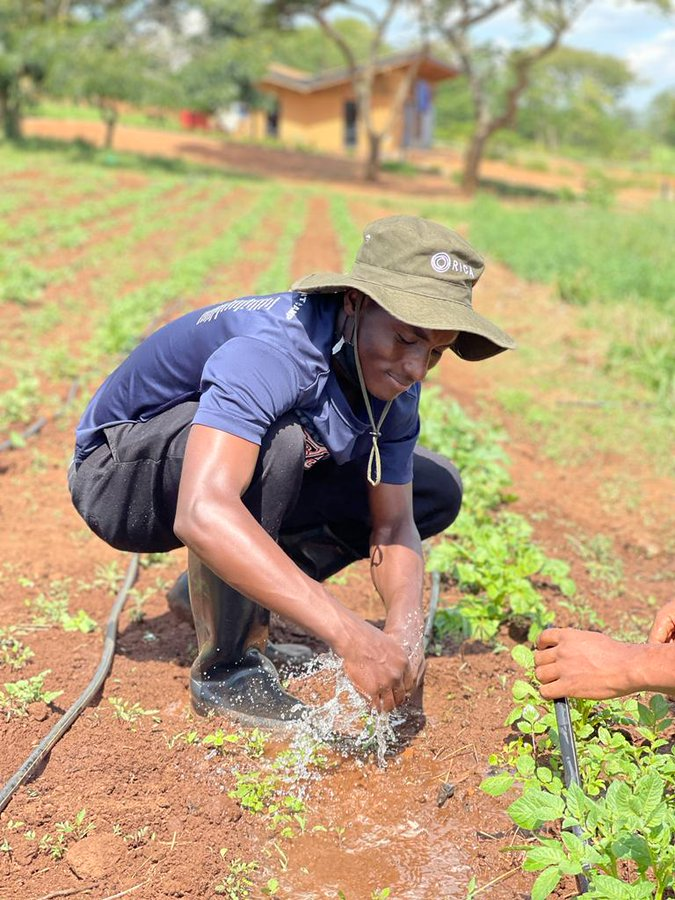
Sustainability isn’t a buzzword for these professionals—it’s a mission. They balance the need to feed growing populations with the duty to protect Kenya’s rich ecosystems, proving that profitability and planetary health can coexist.
What Defines Excellence in Agronomy? A Call to Reflect
These five traits—lifelong learning, data-driven strategy, collaboration, technological innovation, and sustainability—form the backbone of a great agronomist. But they’re not a checklist to tick off; they’re a mindset to cultivate. Together, they create professionals who don’t just work in agriculture—they redefine it.
Yet, excellence is personal. For some agronomists, it’s about empowering women farmers in Siaya with knowledge and resources. For others, it’s pioneering urban farming in Nairobi to feed a swelling population.
What unites them is a passion to leave the land—and its people—better than they found it.
So, agronomists of Kenya and beyond, I turn the question to you: What do you think defines excellence in your field? Is it a skill you’ve honed, a value you hold dear, or a vision you’re chasing? Drop your thoughts in the comments below—I’d love to hear your stories and insights. Let’s spark a conversation that inspires us all.
Conclusion: The Legacy of a Great Agronomist
Great agronomists aren’t just experts—they’re visionaries. They see beyond the next harvest to the future of farming itself, blending science, heart, and innovation to solve today’s challenges while safeguarding tomorrow. In Kenya, where agriculture is the heartbeat of the economy, their role is more critical than ever.
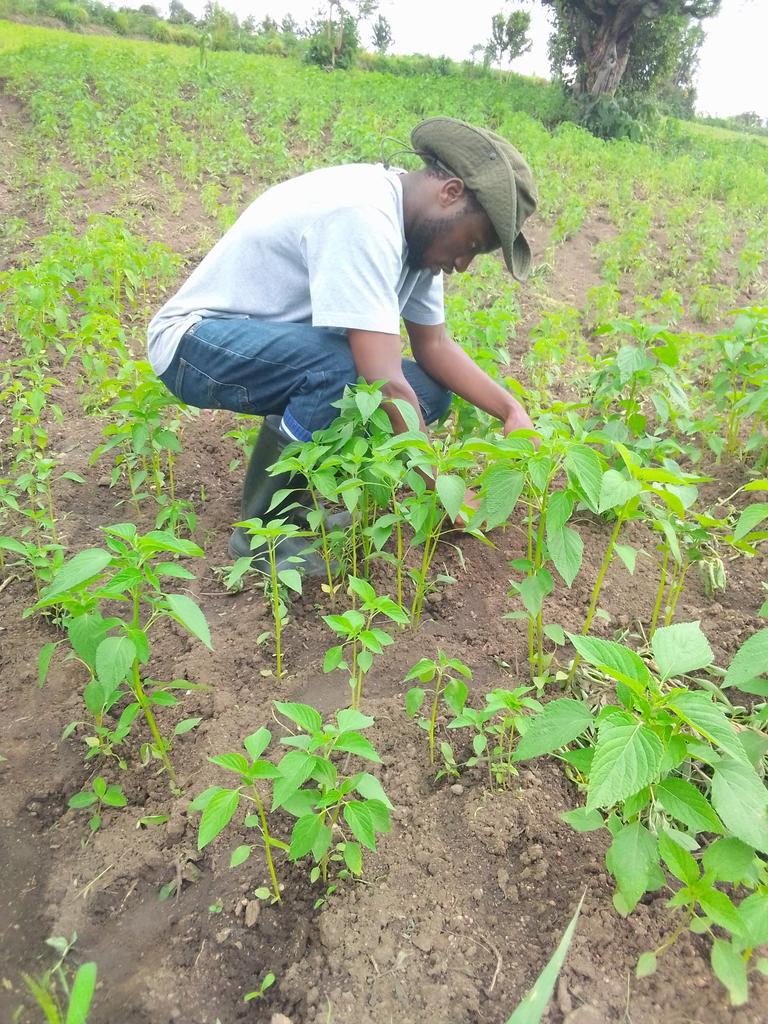
Whether you’re advising a maize farmer in Kitale, testing soils in Thika, or shaping policy in a Nairobi boardroom, your work matters. Embrace these traits, carve your niche, and lead with purpose. The fields are waiting—and the world is watching.
Photos: Credit
https://farmerstrend.co.ke/trending/what-makes-a-great-agronomist-unpacking-the-traits-of-agricultural-excellence/https://farmerstrend.co.ke/wp-content/uploads/2025/03/GSJB0cVXoAAc-Hi-768x1024.jpeghttps://farmerstrend.co.ke/wp-content/uploads/2025/03/GSJB0cVXoAAc-Hi-150x150.jpeg# Trendingagricultural excellence,Agricultural Research,agriculture,agronomist,agronomist traits,agronomy skills,AI soil analysis,collaboration,community impact,crop yield,data-driven farming,drones in farming,eco-friendly farming,Farmer Support,farming innovation,kenya,kenyan farmers,lifelong learning,precision agriculture,regenerative agriculture,soil health,Sustainability,sustainable productivity,tech pioneers,technology in agricultureAgronomists are the unsung heroes shaping the future of farming. They’re the bridge between science and soil, the architects of abundance in a world hungry for both food and sustainability.Over the years, after sifting through hundreds of agronomist resumes and meeting countless professionals in this field, I’ve come to...FarmersTrendjohn doefarmerstrend@gmail.comAdministratorFarmers Trend Ltd.




Leave a Reply