Dhania Farming in Kenya: The 2026 Definitive Guide to Earning KSh 1.6 Million Per Acre with 6 Cycles
Dhania Farming in Kenya: The 2026 Blueprint for Rapid ROI and Market Dominance
Dhania farming in Kenya offers one of the fastest paths to cash flow in the horticulture sector. Known as coriander or cilantro, this aromatic herb is the most consumed spice in Kenyan households. It flavors stews, lifts kachumbari, and adds life to everything from mukimo to mixed grills. The demand continues year-round, creating opportunities for farmers who master production and timing.
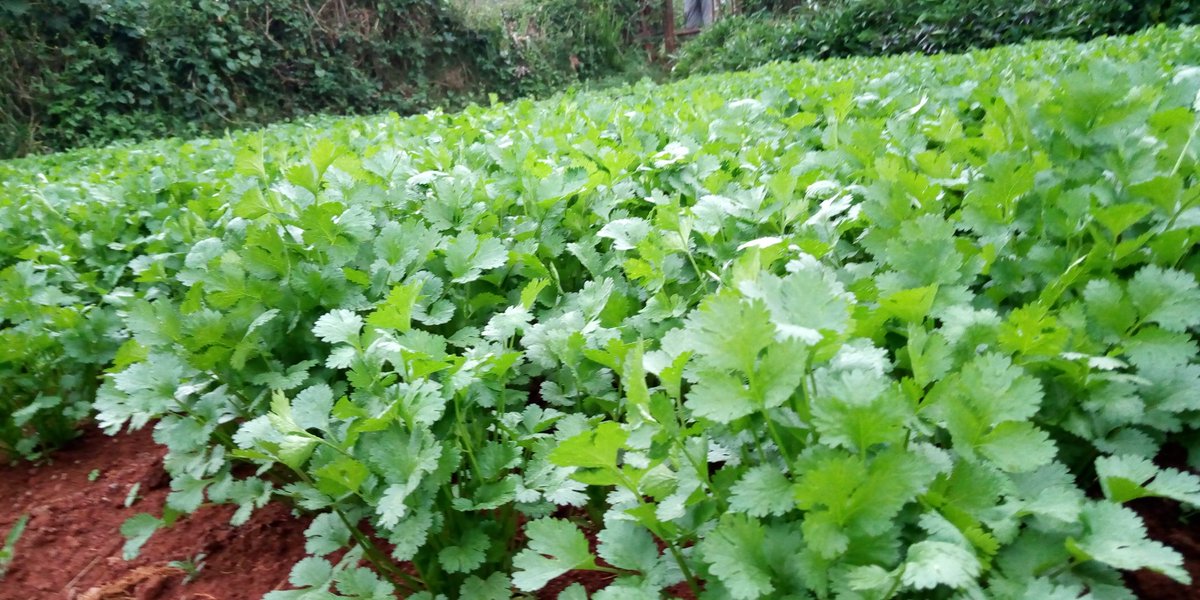
The numbers attract farmers seeking quick returns from dhania farming in Kenya. A well-managed acre produces 4,000 to 8,000 kilograms per cycle depending on variety and management. At wholesale prices of 40 to 60 shillings per kilogram, revenue reaches 160,000 to 480,000 shillings per acre per cycle. With 6 cycles possible annually, dhania farming profit per acre reaches 960,000 to 2.8 million shillings per year. Off-season harvests during dry months command retail prices up to 150 shillings per kilogram, pushing profits higher for dedicated dhania farming in Kenya operations.
Which crop has the highest profit per acre in Kenya? For short-cycle crops, dhania ranks among the top contenders. The crop matures in 4 to 6 weeks for leaves, delivering fast cash flow cycles that keep money moving through your farm. This rapid return makes dhania farming in Kenya attractive for farmers who need quick income while waiting for longer-term crops.
This guide by Farmers Trend Ltd. provides everything you need to know about commercial dhania farming in Kenya. You will learn about variety selection, seasonal timing, technical management, herbicide protocols, and financial projections. The information comes from successful growers and agricultural research stations across the country. By the end, you will understand why dhania farming in Kenya deserves a place in your cropping plan.

Market Landscape and Economic Potential for Dhania Farming in Kenya
The 2026 status of the spice market shows strong and growing demand for dhania. The herb is essential in Kenyan cuisine, used daily in most households. Restaurants and hotels buy in bulk. Supermarkets stock fresh bunches year-round. Processors dry and grind dhania for spice blends. This diverse demand creates multiple market channels for farmers engaged in dhania farming in Kenya.
Why is dhania expensive during certain seasons? Prices follow supply patterns. During dry seasons from January to March and July to September, production drops while demand remains constant. Prices rise to 120 to 150 shillings per kilogram retail. Farmers who plant during these windows capture premium prices. Understanding these seasonal fluctuations is essential for profitable dhania farming in Kenya.
The export market adds another dimension to dhania farming in Kenya. Kenya exports processed and fresh coriander to regional and international markets. In 2022, Kenya exported nearly 10,000 metric tons of coriander earning 1.5 billion shillings. Processors like Njoro Canning Factory in Nakuru supply major brands, creating consistent demand for raw material.
The overall dhania farming profit per acre potential ranges from 40,000 to 100,000 shillings per cycle depending on season and management. With multiple cycles per year, annual profits exceed 500,000 shillings per acre. These numbers demonstrate why dhania farming in Kenya is a serious commercial opportunity.
Seed Selection and Botanical Profiles for Dhania Farming in Kenya
Selecting the right variety determines your success in dhania farming in Kenya. Different varieties serve different markets and management systems. Understanding their characteristics helps you choose based on your goals.
Dhania 1 is a popular variety developed for Kenyan conditions. It produces good leaf yields and has decent disease tolerance. This variety works well for farmers targeting fresh leaf markets. Seeds are widely available through agricultural supply stores.
American Long Standing is prized for its slow bolting characteristic. It remains in leaf production longer before flowering, extending the harvest window. This variety is ideal for farmers targeting multiple leaf harvests from one planting. It performs well under good management.
Continental Multicut is bred specifically for multiple harvests. After cutting, it regrows vigorously for several cycles. This variety maximizes yield per planting and reduces labor for replanting. For commercial dhania farming in Kenya focused on leaf production, this is often the best choice.
The best dhania seeds in Kenya come from certified sources. Farmers Trend Ltd nurseries offer high-quality dhania seeds through their Virtual Agrovet platform. Their seeds are tested for germination rates and varietal purity. Contact Farmers Trend Ltd at 0790509684 to order seeds or inquire about availability.
How much seed is needed for 1 acre? The seed rate for dhania farming in Kenya ranges from 8 to 12 kilograms per acre depending on variety and spacing. Higher density planting uses more seed but increases early yields. Lower rates reduce seed costs but may result in lower total production.
When buying seeds, look for certified sources with high germination rates. Uncertified seeds from unknown sources often carry diseases and produce poor stands. The investment in quality seeds pays back through uniform emergence and higher yields in dhania farming in Kenya.
Ecological Requirements for Dhania Farming in Kenya
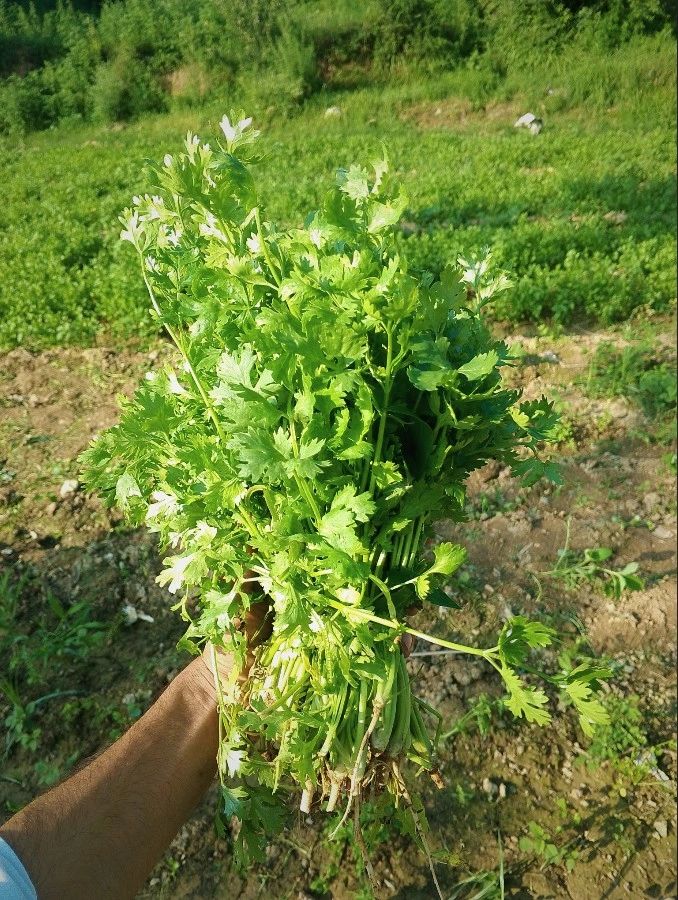
Dhania grows best in specific conditions. Understanding these requirements helps you succeed in dhania farming in Kenya.
The ideal temperature range for dhania is 18°C to 25°C. Temperatures above 30°C cause rapid bolting, where plants flower prematurely and leaf production stops. Temperatures below 15°C slow growth significantly. Choose planting times that avoid temperature extremes.
Rainfall requirements are moderate. Dhania needs consistent moisture throughout its growth cycle. Too little water causes stress and early bolting. Too much water encourages disease and reduces quality. In areas with reliable rainfall, dhania grows well. In drier areas, irrigation is essential for dhania farming in Kenya.
Soil pH should range from 6.0 to 7.5, slightly acidic to neutral. Soils outside this range need amendment before planting. Sandy loam soils with good organic matter produce the best results. Heavy clay soils cause poor root development and drainage issues.
Altitude range extends from sea level to 2,000 meters above sea level. This wide range allows dhania farming in Kenya across diverse regions. Lower areas warm faster, speeding growth. Higher areas produce slower growth but often better quality.
Cultivation Strategy and Seasonal Timing for Dhania Farming in Kenya
Which is the best month to grow coriander? The answer depends on your target market and production system. For maximum prices, target the dry windows when supply is low.
January to March is the first dry season in most areas. Planting in late December or early January positions your harvest for February and March when prices rise. This window captures premium prices but requires irrigation for dhania farming in Kenya.
July to September is the second dry season. Planting in June or early July harvests during this high-price period. This timing also requires irrigation but delivers strong returns.
For maximum production cycles, plant every two to three weeks. Successive planting spreads your harvest and maintains continuous supply. This approach smoothes income and reduces marketing pressure during peak gluts.
The growth timeline for dhania farming in Kenya follows a predictable pattern. How long coriander takes to grow fully depends on what you harvest. For leaf production, harvest begins 4 to 6 weeks after planting. Leaves are ready when plants reach 15 to 20 centimeters tall.
How many days it takes to grow dhaniya for seed production is longer. Plants need 3 to 4 months to flower, set seed, and dry. Seed harvest occurs when seed heads turn brown and dry on the plant.
How long dhania takes to mature in Kenya varies with season. Warm weather speeds growth, reducing time to harvest. Cool weather slows growth, extending the cycle. Plan your planting schedule based on expected temperatures.
Land Preparation for Dhania Farming in Kenya
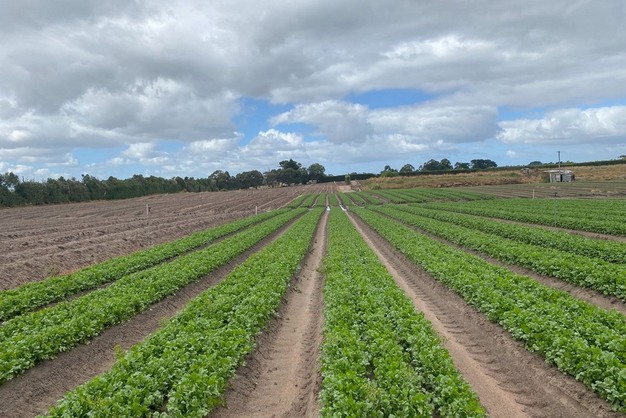
Proper land preparation sets the foundation for high yields in dhania farming in Kenya. Start with deep ploughing to 20 to 25 centimeters. Break all clods and remove weeds and stones. Dhania seeds are small and need a fine seedbed for good germination.
Incorporate well-decomposed manure during land preparation. Apply 10 to 15 tons per acre. Manure improves soil structure and provides slow-release nutrition. It also helps soil hold moisture during dry periods.
Form raised beds if your soil drains slowly. Beds 15 to 20 centimeters high improve drainage and root health. In well-drained soils, flat planting works adequately. Bed width of 1 meter allows easy access for planting, weeding, and harvesting.
Level the seedbed carefully. Uneven surfaces cause uneven germination and growth. Use a rake to create a smooth, fine surface. This attention to detail pays off in uniform stands.
Technical Management and Weed Control for Dhania Farming in Kenya
Weed control is critical in dhania farming in Kenya because dhania is a poor competitor with weeds. Early weed pressure reduces yields significantly. A comprehensive weed management program protects your crop.
What herbicides are good for dania? Pre-emergence herbicides applied before planting or immediately after planting control germinating weeds. Dual Gold at 1 to 1.5 liters per acre provides effective grass and broadleaf control when applied to moist soil. Incorporate lightly through irrigation or light rainfall.
Selective post-emergence herbicides like Linuron or Afalon can be used where registered for dhania. These products control emerged broadleaf weeds without damaging the crop. Always check registration status with the Pest Control Products Board before use.
Hand weeping supplements herbicide programs. The first weeding should occur 2 to 3 weeks after emergence. Remove weeds before they compete heavily with young plants. A second weeding may be needed before canopy closure.
Mulching with dry grass between rows suppresses weeds and conserves moisture. Apply mulch after the first weeding for best results. Organic mulch also adds nutrients as it decomposes.
Common problems growing coriander include bacterial leaf spot and powdery mildew. Bacterial leaf spot causes water-soaked lesions on leaves that turn brown and necrotic. It spreads rapidly in wet conditions. Avoid overhead irrigation and practice crop rotation. Copper-based sprays provide some control.
Powdery mildew appears as white powdery growth on leaves. It thrives in dry conditions with cool nights. Sulfur-based fungicides control powdery mildew effectively. Improve air circulation through proper spacing.
Planting Techniques for Dhania Farming in Kenya
Planting method affects germination and stand establishment in dhania farming in Kenya. Seeds can be broadcast or planted in rows. Row planting is preferred for commercial production because it simplifies weeding and harvesting.
Spacing for leaf production is 20 to 30 centimeters between rows and 5 to 10 centimeters within rows. This gives approximately 300,000 to 500,000 plants per acre. Closer spacing increases yield but requires more seed.
Plant seeds at 1 to 2 centimeters depth. Deeper planting delays emergence. Shallower planting exposes seeds to birds and sun. Cover lightly with soil and firm gently.
Water immediately after planting. Maintain consistent moisture through germination. Seeds emerge in 7 to 14 days depending on temperature and soil moisture.
For successive planting, prepare new beds every two weeks. This spreads harvest and maintains continuous supply. Mark planting dates clearly to track expected harvest windows.

Irrigation Requirements for Dhania Farming in Kenya
Consistent moisture is essential for dhania farming in Kenya. Water stress causes rapid bolting and poor leaf quality. Drip irrigation is the most efficient delivery method.
During germination, keep soil consistently moist. Light watering daily or every other day maintains ideal conditions. As plants grow, adjust frequency based on weather and soil type.
During active growth, apply 20 to 25 millimeters of water weekly. This equates to approximately 20,000 to 25,000 liters per acre per week. Sandy soils need more frequent applications. Clay soils hold water longer.
Mulching reduces water needs significantly. Apply 5 to 10 centimeters of dry grass or other organic material around plants. Mulch keeps soil cool and moist. It also suppresses weeds.
Signs of water stress include wilting during hot afternoons and slow leaf development. Severe stress causes premature flowering. Do not wait for these signs. Maintain consistent moisture throughout the growth cycle.
Fertilizer Requirements for Dhania Farming in Kenya
Proper nutrition drives leaf production and quality in dhania farming in Kenya. Dhania responds well to balanced fertilization.
At planting, apply DAP at 50 kilograms per acre. Phosphorus supports root development and early growth. Place fertilizer in bands alongside seeds for best uptake.
During growth, apply nitrogen to support leaf development. CAN at 50 kilograms per acre applied 2 to 3 weeks after planting provides needed nitrogen. Split applications into two doses for better utilization.
Potassium becomes important for leaf quality. Apply potassium-rich fertilizers if soil tests show deficiency. Wood ash provides potassium at low cost.
Foliar feeds help during critical stages. Spray with balanced foliar fertilizers every 2 to 3 weeks during active growth. These provide quick nutrient boosts when plants need them most.
Organic matter remains important. Top-dress with compost or well-decomposed manure between cycles. This maintains soil health and reduces synthetic fertilizer requirements.
Harvesting Cycles and Yield Metrics for Dhania Farming in Kenya
Harvest timing determines quality and yield in dhania farming in Kenya. For leaf production, harvest when plants reach 15 to 25 centimeters tall. Younger leaves are tender and flavorful. Older leaves become tough and strong-tasting.
How many times can I harvest coriander? This depends on variety and management. Single-cut varieties produce one harvest before bolting. Harvest the entire plant by cutting at the base.
Multicut varieties regrow after cutting. The first harvest occurs at 4 to 6 weeks. Cut leaves 2 to 3 centimeters above the crown, leaving growing points intact. Water and fertilize immediately after harvest to encourage regrowth.
Second harvest follows in 3 to 4 weeks. Quality may be slightly lower than first harvest but still acceptable. Some varieties provide 3 to 4 harvests from one planting.
How much coriander per acre is typical? For leaf production, target 4,000 to 6,000 kilograms per acre per cycle. High-density planting with good management achieves 8,000 kilograms. Seed production yields 500 to 800 kilograms per acre.
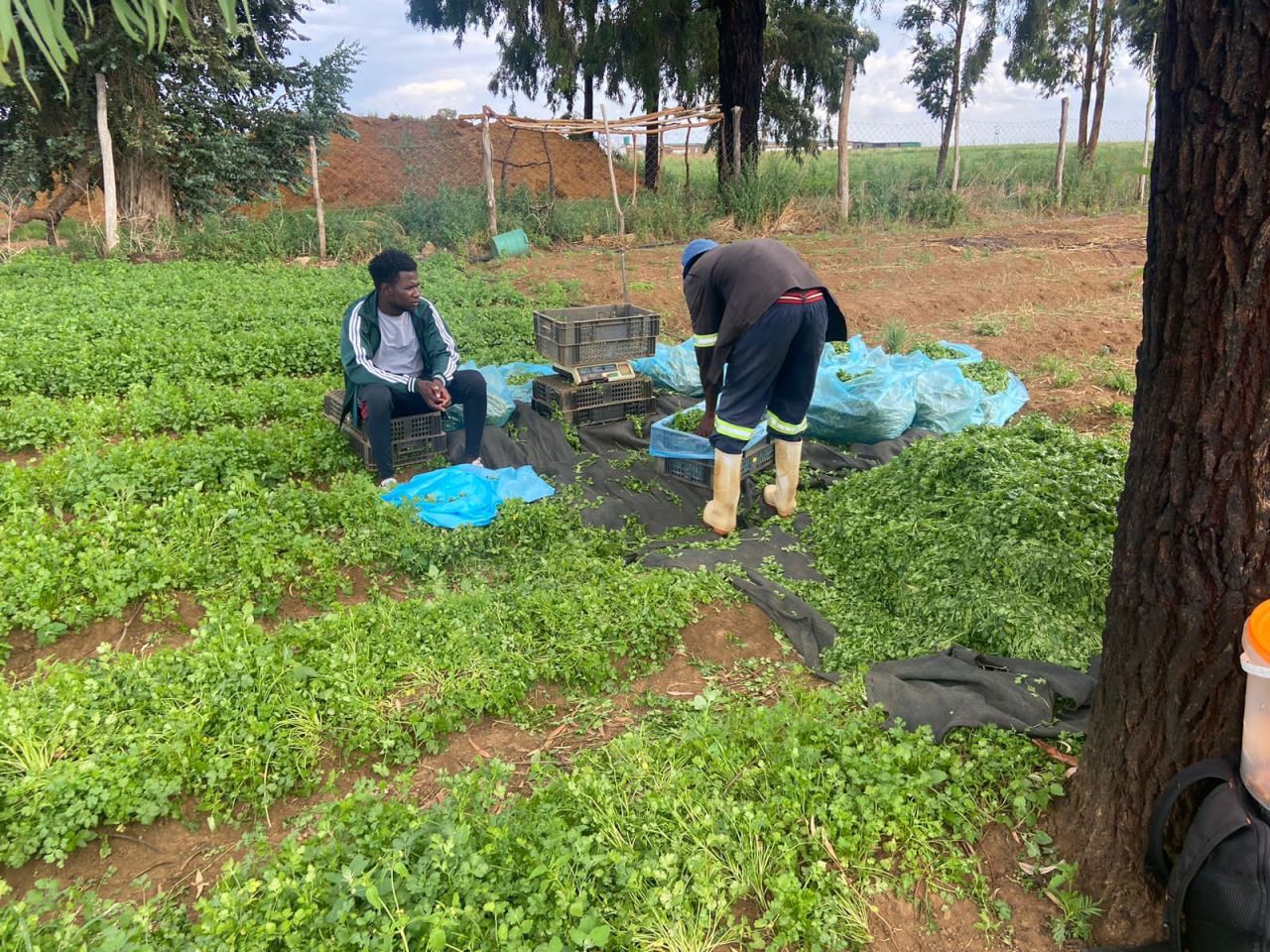
Harvest in the morning after dew dries but before heat stresses plants. Use sharp knives or shears for clean cuts. Handle harvested leaves gently to prevent bruising.
Variety Maturity and Yield Comparison Table
| Variety | Days to First Harvest | Harvest Cycles | Yield per Cycle (kg/acre) | Best Use |
|---|---|---|---|---|
| Dhania 1 | 35-40 | 1-2 | 4,000-5,000 | Fresh leaves |
| American Long Standing | 40-45 | 2-3 | 5,000-6,000 | Extended harvest |
| Continental Multicut | 35-40 | 3-4 | 5,000-7,000 | Multiple cuts |
| Local Landraces | 30-35 | 1 | 3,000-4,000 | Quick harvest |
Post-Harvest Handling for Dhania Farming in Kenya
Proper handling maintains quality and extends shelf life in dhania farming in Kenya. Cool leaves immediately after harvest. Field heat degrades quality rapidly.
Wash leaves gently in clean water to remove soil and debris. Drain thoroughly before packing. Excess moisture causes rot during transport.
Grade leaves by quality. Remove yellow, damaged, or diseased leaves. Uniform bunches attract better prices.
Bundle leaves into market-ready portions. Standard bunches weigh 100 to 200 grams depending on market requirements. Secure with rubber bands or twine.
Pack in ventilated containers for transport. Avoid crushing leaves by stacking too high. Refrigerated transport extends shelf life to 5 to 7 days.
For processing, deliver leaves to drying facilities promptly. Clean leaves before drying. Dry at 40 to 50°C until moisture content reaches 8 to 10 percent. Dried dhania stores for months.
2026 Dhania Commercial Production Budget Table
| Cost Item | Amount (KSh) |
|---|---|
| Seeds (10 kg at KSh 800) | 8,000 |
| Land preparation | 5,000 |
| Manure (10 tons) | 15,000 |
| Fertilizers | 10,000 |
| Herbicides and pesticides | 8,000 |
| Labor (planting, weeding, harvest) | 25,000 |
| Irrigation operation | 5,000 |
| Packaging materials | 4,000 |
| Transport | 3,000 |
| Total Costs Per Cycle | 83,000 KSh |
With 6 cycles annually, total annual costs reach 498,000 shillings per acre.
| Yield Level | Yield (kg) | Price/kg | Revenue | Net Profit Per Cycle |
|---|---|---|---|---|
| Conservative | 4,000 | 40 | 160,000 | 77,000 |
| Good Management | 5,000 | 50 | 250,000 | 167,000 |
| Excellent | 6,000 | 60 | 360,000 | 277,000 |
Annual net profit with excellent management across 6 cycles exceeds 1.6 million shillings per acre.
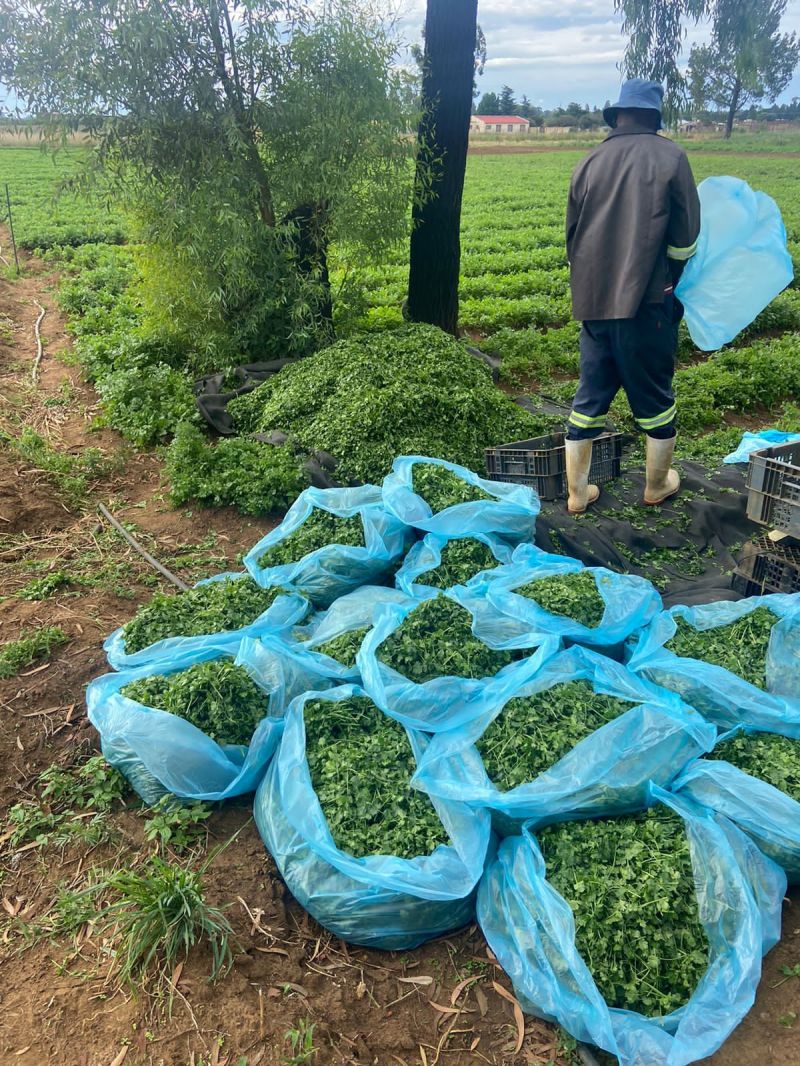
Market Prices for Dhania Farming in Kenya
How much is 1 kg of coriander in 2026? Prices vary with season, quality, and market channel. Understanding these helps you maximize returns from dhania farming in Kenya.
Wholesale prices at farm gate range from 40 to 60 shillings per kilogram during normal seasons. Off-season prices reach 80 to 100 shillings per kilogram wholesale.
How much is a kilo of dhania in Kenya retail markets? Consumers pay 100 to 150 shillings per kilogram in Nairobi supermarkets during peak seasons. Off-season retail prices exceed 150 shillings per kilogram.
Processors pay 30 to 50 shillings per kilogram for dhania destined for drying and grinding. They require consistent quality and volume.
Export prices for fresh coriander reach 200 to 300 shillings per kilogram FOB Nairobi. Export requires GlobalGAP certification and consistent quality.
Pest and Disease Management in Dhania Farming in Kenya
Common pests in dhania farming in Kenya include aphids, thrips, and cutworms. Regular scouting catches problems early.
Aphids cluster on new growth and leaf undersides. They suck sap and transmit viruses. Control with neem oil or insecticidal soap. Encourage natural predators like ladybugs.
Thrips cause silvery streaks on leaves and distorted growth. They rasp leaf tissues and suck contents. Use blue sticky traps to monitor populations. Spray with spinosad-based products when thresholds are reached.
Cutworms cut young plants at soil level. They feed at night and hide during the day. Control with appropriate insecticides applied to soil around plants.
Bacterial leaf spot is the most serious disease in dhania farming in Kenya. It causes water-soaked lesions that turn brown and necrotic. The disease spreads rapidly in wet conditions. Use certified disease-free seed. Practice crop rotation. Avoid overhead irrigation. Copper-based sprays provide some control when applied early.
Powdery mildew appears as white powdery growth on leaves. It thrives in dry conditions with cool nights. Improve air circulation through proper spacing. Apply sulfur-based fungicides at first sign of infection.
Crop Rotation and Soil Health
Crop rotation is essential for sustainable dhania farming in Kenya. Do not plant dhania in the same spot year after year. Soil-borne diseases build up without rotation.
Follow dhania with cereals like maize or wheat. These crops have different pest and disease profiles. Legumes like beans or green grams fix nitrogen and improve soil.
A three-year rotation between umbelliferous crops maintains soil health. Include green manure crops between cash crop cycles. Sunhemp or lablab add organic matter and suppress weeds.
The Farmers Trend Ltd Advantage
Farmers Trend Ltd provides certified dhania seeds through their nurseries and Virtual Agrovet platform. Their seeds are tested for germination rates and varietal purity, ensuring the best start for your dhania farming in Kenya operation.
Contact Farmers Trend Ltd at 0790509684 to place orders or inquire about availability. The Virtual Agrovet platform allows you to order online with delivery arranged to your farm. Browse varieties, check prices, and place orders at any time.
Technical support continues after purchase. Farmers Trend Ltd staff advise on planting, irrigation, fertilization, and pest control. This ongoing relationship increases your chances of success in dhania farming in Kenya.
Next Step
Dhania farming in Kenya offers one of the fastest and most profitable opportunities in horticulture. The crop matures in 4 to 6 weeks for leaf production. Yields reach 4,000 to 8,000 kilograms per acre per cycle. Prices range from 40 to 150 shillings per kilogram depending on season. With 6 cycles annually, profits exceed 1.6 million shillings per acre.
The 2026 planting windows approach. January to March and July to September offer premium prices for off-season production. Your seeds are waiting at Farmers Trend Ltd. The Virtual Agrovet platform makes ordering simple.
Start with soil testing to know your pH and nutrient levels. Choose the right varieties for your market. Dhania 1 for reliable production. American Long Standing for extended harvest. Continental Multicut for maximum cycles.
Prepare your land thoroughly with fine seedbeds. Install drip irrigation for consistent moisture. Order your certified dhania seeds from Farmers Trend Ltd through their Virtual Agrovet platform or call them at 0790509684.
The farmers earning substantial incomes from dhania started exactly where you are now. They learned, they planned, and they took action. You can do the same.
Your dhania farming in Kenya journey begins today. The market is waiting. The profits are real. The time to act is now.
https://farmerstrend.co.ke/crops/herbs-farming-in-kenya/dhania-farming/dhania-farming-in-kenya-2026-profit-guide/https://farmerstrend.co.ke/wp-content/uploads/2026/03/1752937354343.jpeghttps://farmerstrend.co.ke/wp-content/uploads/2026/03/1752937354343-150x150.jpegDhania farming# TrendingHerbs Farming In KenyaDhania Farming in Kenya: The 2026 Blueprint for Rapid ROI and Market Dominance Dhania farming in Kenya offers one of the fastest paths to cash flow in the horticulture sector. Known as coriander or cilantro, this aromatic herb is the most consumed spice in Kenyan households. It flavors stews, lifts...FarmersTrendjohn doefarmerstrend@gmail.comAdministratorFarmers Trend Ltd.





Leave a Reply